
Shoulder Pain in Lilydale: What to Expect
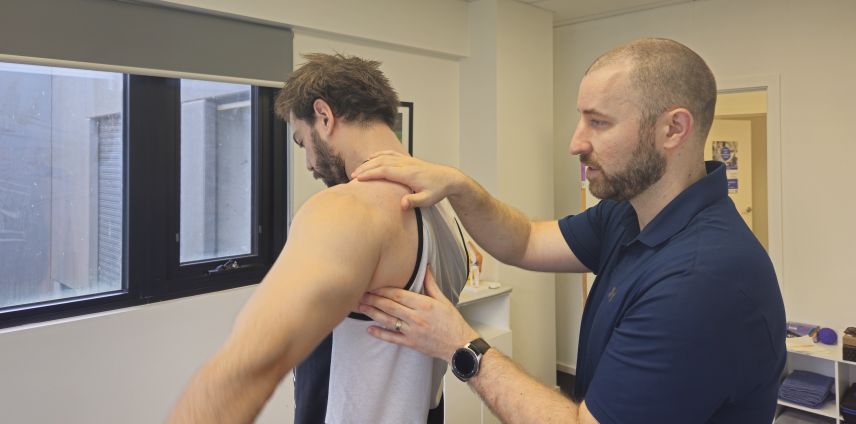
Shoulder pain is one of the most common complaints we see at Adapt Sports Physiotherapy — and it affects athletes and non-athletes alike. Whether you’re a swimmer in Lilydale dealing with persistent aching after training, a footballer managing an old AC joint injury, or someone struggling to lift your arm above shoulder height during daily tasks, shoulder pain has a significant impact on quality of life.
The good news is that most shoulder pain responds well to physiotherapy — but getting the right diagnosis and treatment plan matters.
Why Is the Shoulder So Prone to Injury?
The shoulder is the most mobile joint in the body — and that mobility comes at the cost of stability. Unlike the hip (which sits deeply in a socket), the shoulder sits in a very shallow socket, relying heavily on the surrounding muscles, particularly the rotator cuff, to maintain its position during movement. When those muscles are weak, fatigued, or unbalanced, the joint becomes vulnerable.
Common Causes of Shoulder Pain
Rotator Cuff Injuries
The rotator cuff is a group of four muscles that control and stabilise the shoulder joint. Rotator cuff strains and partial tears are common in throwing athletes, overhead workers, and people who perform repetitive shoulder movements. Symptoms include pain on the side or front of the shoulder, weakness with lifting, and pain at night when lying on the affected side.
Shoulder Impingement
Impingement occurs when the tendons of the rotator cuff are compressed in the narrow space under the acromion (the bony prominence on top of the shoulder). It’s characterised by a painful arc of movement — typically between 60 and 120 degrees of arm elevation — and is common in swimmers, overhead athletes, and people who work at a desk with poor posture. See our shoulder pain physio page for more information.
AC Joint (Acromioclavicular Joint) Injuries
The AC joint sits at the top of the shoulder where the collarbone meets the shoulder blade. It’s frequently injured in contact sports through direct falls or collisions. Graded from mild sprains to complete separations, AC joint injuries cause localised tenderness at the top of the shoulder and may show a visible step deformity in more severe cases.
Biceps Tendinopathy
The long head of the biceps tendon attaches near the top of the shoulder socket and is a frequent source of anterior (front) shoulder pain in overhead athletes and weightlifters. Symptoms include a deep, aching pain at the front of the shoulder, particularly with overhead reaching or lifting.
Frozen Shoulder (Adhesive Capsulitis)
Frozen shoulder causes progressive stiffness and pain throughout the entire shoulder joint — not just with specific movements. It typically develops without a clear injury and is more common in people aged 40–60. It can take 12–24 months to resolve, but physiotherapy can help manage symptoms and support recovery through each stage.
What Does Shoulder Physiotherapy Involve?
At Adapt Sports Physiotherapy, a shoulder assessment begins with a thorough clinical examination to identify the source and cause of your pain. Treatment is specific to the diagnosis and may include:
- Manual therapy to improve joint mobility and reduce pain
- Targeted rotator cuff and scapular strengthening exercises
- Postural correction and thoracic mobility work
- Sport-specific rehabilitation and return-to-sport criteria
- Load management advice for athletes wanting to maintain training during recovery
When Should You See a Physio for Shoulder Pain?
Seek assessment if you experience:
- Pain that has persisted for more than 1–2 weeks without improvement
- Significant weakness or inability to lift your arm to shoulder height
- Pain radiating down the arm or into the neck
- Night pain that is disrupting your sleep
- Pain that has followed a direct impact or fall onto the shoulder
Waiting too long with shoulder pain often means a longer recovery. Early assessment gives us more to work with and typically leads to better outcomes.
Frequently Asked Questions
Do I need an X-ray or MRI for shoulder pain?
Not always. Many shoulder conditions can be accurately assessed through clinical examination alone. Your physiotherapist will advise if imaging is needed based on your presentation and history. In some cases — such as suspected significant rotator cuff tears or fractures — imaging will be important. (General information only.)
Can I keep training with shoulder pain?
This depends on the cause and severity. In many cases, training can continue with appropriate modifications — avoiding certain movements or reducing load — while the underlying issue is addressed. Your physiotherapist can advise what’s safe for your specific situation. (General information only.)
How long does shoulder physiotherapy take?
This varies considerably depending on the condition. Mild rotator cuff strains may recover in 4–6 weeks. More significant impingement or tendinopathy typically takes 8–12 weeks of consistent rehabilitation. Frozen shoulder may require ongoing management over many months. (General information only.)
Is shoulder pain common in swimmers?
Yes — shoulder pain (sometimes called swimmer’s shoulder) is one of the most common injuries in competitive and recreational swimmers. It’s typically related to rotator cuff overuse and stroke mechanics. Physiotherapy assessment of technique, load, and shoulder strength is the key to management. (General information only.)
If you are also dealing with neck pain alongside your shoulder symptoms — which is more common than many people expect — our guide to neck pain in Lilydale covers the most common causes and when to seek assessment.