
Running Injuries
Running injuries usually build up over time rather than happening in one moment. Assessment looks at your training load, strength capacity and running mechanics to identify what is driving your symptoms.
30-minute appointments as standard · No referral required
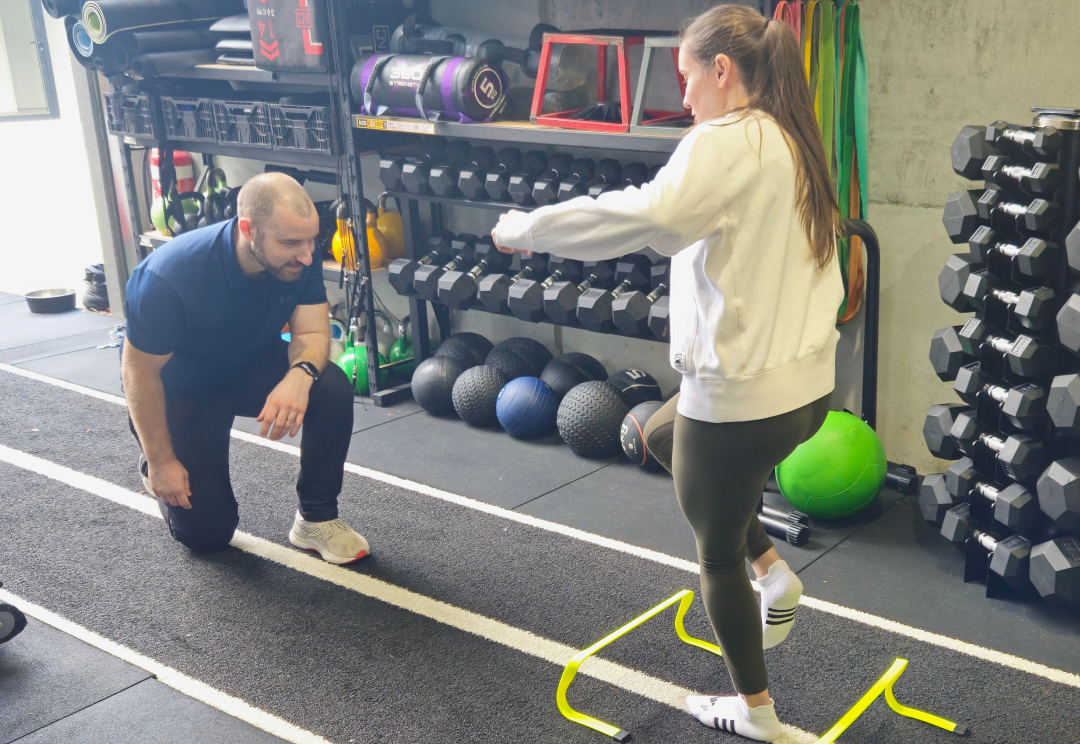
Running injuries usually develop over time rather than in a single moment. Most are load-related: the demand placed on a tendon, bone or muscle has risen faster than that tissue has been able to adapt to it.
Common examples include Achilles and patellar tendon pain, shin pain, calf strains, hip and gluteal pain, and plantar heel pain. The structure involved differs, but the questions worth asking are usually the same — what changed in your training, what capacity do you currently have, and what is your body being asked to tolerate?
How We Assess Running Injuries
Assessment starts with your training history: weekly distance, recent changes in pace or terrain, footwear, and how your symptoms behave during and after a run. This often identifies the driver before any physical testing begins.
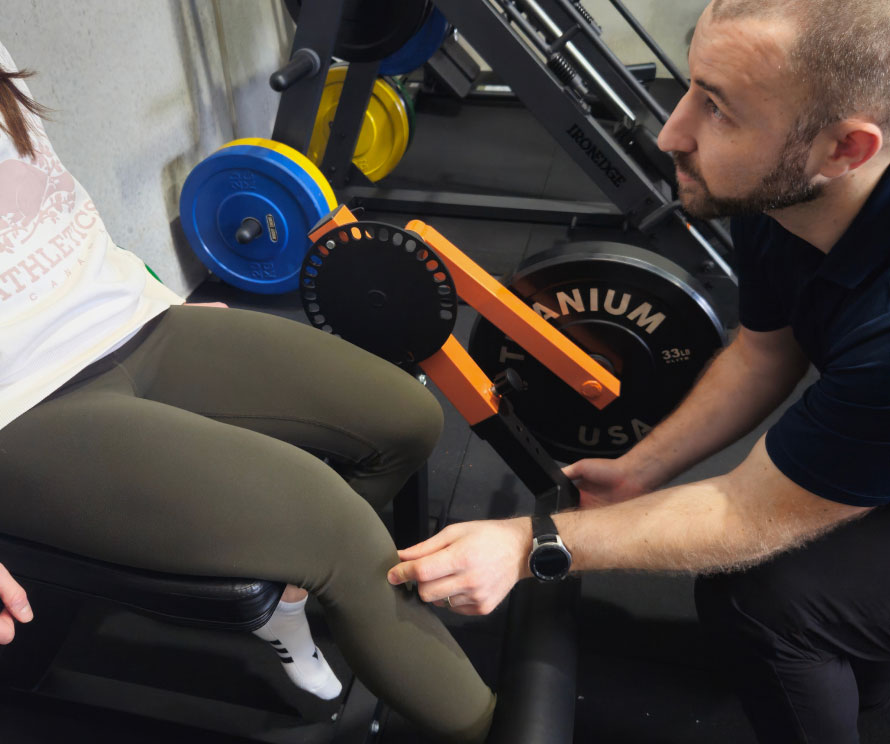
We then assess strength and capacity through the calf, hip and thigh, single-leg control, ankle and hip range of movement, and how you move while running. Where objective strength testing is appropriate, it gives us a measurable baseline to compare against as your rehabilitation progresses.
Treatment and Rehabilitation Approach
Management usually combines adjusting your running load with building the capacity that reduces the chance of symptoms returning. Complete rest is rarely the goal — for many runners, modifying distance, pace or surface allows training to continue while symptoms settle.
Strength work targets the specific demands running places on the lower limb, and is progressed as your tolerance improves. Running itself is reintroduced in structured steps, guided by how your symptoms respond rather than by a fixed timeline. This forms part of our wider sports physiotherapy approach.
Runners returning to training after a significant knee injury, including ACL reconstruction, follow a more staged pathway, since the running progression sits within a longer rehabilitation plan.
If you’d like your running specifically assessed, see our Running Assessment service.
Looking for help with Running Injuries?
An assessment can help identify the factors contributing to your symptoms and guide the next steps.
Symptoms
Pain that builds during a run
Discomfort that appears at a fairly consistent distance or pace, and settles with rest, is a common pattern in load-related running injuries.
Soreness that lingers afterwards
Symptoms still present the next morning can suggest the current training load is more than the tissue is tolerating.
A change in how you run
Altering your stride to work around discomfort shifts load elsewhere, which is worth assessing early rather than running through.
Causes and Risk Factors
Rapid changes in training load
Increases in weekly distance, pace, hill work or session frequency can outpace the rate at which tissue adapts.
Limited strength capacity
Reduced strength through the calf, hip and thigh increases the demand placed on other structures during running.
Insufficient recovery
Sleep, nutrition and the spacing between harder sessions all influence how well the body adapts between runs.
Return-to-Sport Considerations
Adjust load without stopping
Many running injuries can be managed by modifying distance, pace or surface rather than stopping running altogether.
Rebuild capacity
Progressive strength work targets the specific demands running places on the lower limb, and is advanced as tolerance improves.
Return to full training
Distance and intensity are reintroduced in structured steps, guided by how symptoms respond rather than by a fixed timeline.
Frequently Asked Questions
Do I need to stop running completely?
Often not. Many running injuries can be managed by adjusting your training rather than stopping, depending on your symptoms and what is driving them. An assessment helps determine what is appropriate in your case.
How long does a running injury take to settle?
This varies considerably depending on the structure involved, how long symptoms have been present and the demands of your training. Your physiotherapist can give you a clearer picture once you have been assessed.
Will changing my running technique help?
Running technique is one factor among several, alongside training load and strength capacity. Where a change is likely to be useful it is introduced gradually and reviewed, rather than altered all at once.
Do I need a scan?
Imaging is not required for most running injuries. It is considered when the result would change how your injury is managed, and that is discussed with you at assessment.
Clinically reviewed by Ryan Harris on 09/08/2026