
Swimming Injuries
Swimming places repetitive, high-volume demands on the shoulder, neck and trunk. Assessment looks at your training load, stroke mechanics and strength capacity to identify what is driving your symptoms.
30-minute appointments as standard · No referral required
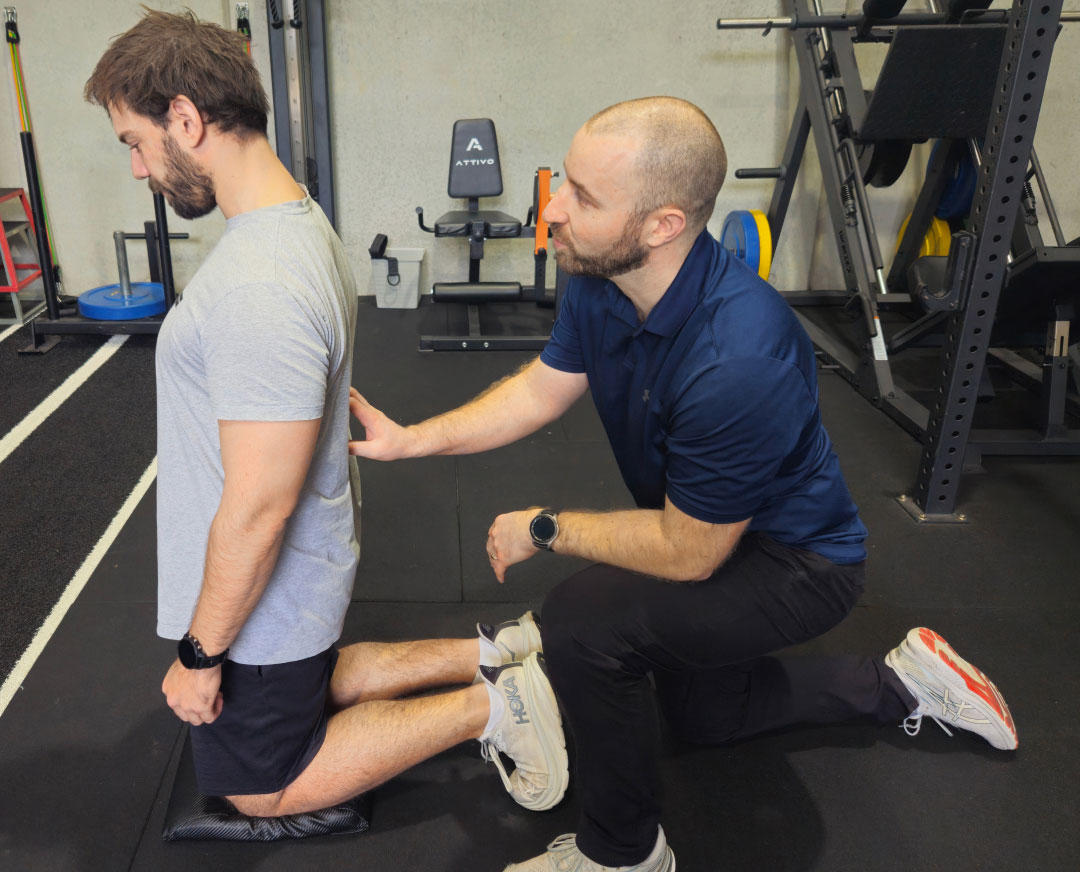
Swimming places high, repetitive demands on the shoulder and upper body, with training volumes that are often greater than in many other sports. Because the same movement pattern repeats thousands of times across a training week, small technique or load issues can accumulate into persistent pain rather than appearing after a single incident.
Most swimming-related injuries develop gradually and are closely tied to training load, stroke technique and the specific demands each stroke places on the body. Assessment looks at what’s actually driving your symptoms, rather than assuming every swimmer’s pain has the same cause.
Why Do Swimmers Get Injured?
Freestyle and butterfly in particular involve a high volume of repetitive overhead shoulder rotation, which places load through the rotator cuff and surrounding structures. This is why shoulder pain is one of the most common complaints among swimmers, and why rotator cuff pain and shoulder impingement are frequently seen in swimming populations.
Breathing rotation and head positioning also place ongoing demand through the cervical spine and upper back, which can contribute to neck pain. Body roll and core control through longer sessions can load the lower back, and kick-driven propulsion can contribute to back pain and, in some swimmers, hip and groin pain.
How We Assess Swimming Injuries
Assessment starts with your training history — weekly volume, recent changes in session frequency or intensity, stroke mix, and how your symptoms behave during and after training. Shoulder range of movement, strength and control are assessed in detail given how central they are to most strokes, alongside cervical, thoracic and trunk control where relevant to your symptoms.
Because swimming problems can involve the shoulder, neck, back or hip depending on the individual, assessment is tailored to your specific presentation rather than a fixed checklist. Our sports physiotherapy approach applies this same principle across all training-related injuries.
Treatment and Rehabilitation Approach
Management usually combines adjusting training load — volume, stroke mix or intensity — with rebuilding the strength and control needed to tolerate swimming’s specific demands. Complete rest from the pool is rarely the only option; for many swimmers, modifying sessions allows training to continue while symptoms settle.
Where the shoulder is involved, rehabilitation follows the same structured approach used in our shoulder rehabilitation program, progressing strength and control before a graduated return to full training volume.
Looking for help with Swimming Injuries?
An assessment can help identify the factors contributing to your symptoms and guide the next steps.
Symptoms
Shoulder pain during or after swimming
Often felt during the pull phase of a stroke or afterwards, and can point toward rotator cuff or impingement-related causes.
Pain that changes with training volume
Symptoms that track closely with recent changes in session length or frequency suggest a load-related issue.
Neck or upper back discomfort with breathing rotation
Discomfort linked to breathing side or head position can reflect how the cervical spine is coping with repetitive rotation.
Causes and Risk Factors
Rapid increases in training volume
Sudden increases in weekly distance, session frequency or intensity can outpace the rate at which shoulder and upper-body tissue adapts.
Repetitive overhead loading
The high number of shoulder rotations across a typical training week is a major contributor to load-related shoulder symptoms.
Limited strength and control through the shoulder and trunk
Reduced rotator cuff and scapular control increases the demand placed on other structures during each stroke cycle.
Return-to-Sport Considerations
Adjust load before stopping completely
Many swimming-related injuries can be managed by modifying volume, stroke mix or intensity rather than stopping training altogether.
Rebuild shoulder and trunk capacity
Progressive strength work targets the specific demands swimming places on the shoulder, neck and trunk, and is advanced as tolerance improves.
Return to full training in structured steps
Volume and intensity are reintroduced gradually, guided by how symptoms respond rather than a fixed timeline.
Frequently Asked Questions
Do I need to stop swimming completely?
Often not. Many swimming-related injuries can be managed by adjusting training rather than stopping altogether, depending on your symptoms and what is driving them. An assessment helps determine what is appropriate in your case.
Why do swimmers get shoulder pain so often?
Swimming involves a high volume of repetitive overhead shoulder rotation, particularly in freestyle and butterfly. This repetitive load is a major contributor to shoulder symptoms in swimmers, alongside training volume and strength capacity.
Could my neck or back pain be related to swimming?
Yes. Breathing rotation and head positioning place ongoing demand through the neck, while body roll and kick mechanics can load the lower back. An assessment can help clarify whether your symptoms relate to technique or training load.
Will changing my stroke technique help?
Stroke technique is one factor among several that can contribute to symptoms, alongside training volume and strength capacity. Where a technique adjustment is likely to help, it’s introduced gradually rather than changed all at once.
Clinically reviewed: 18/08/2026