
ACL Injury
An ACL injury affects one of the ligaments that helps stabilise your knee, most often during pivoting, landing or change-of-direction movements in sport. Assessment and rehabilitation are built around your current knee function and goals, with a staged, individualised approach to returning to activity.
30-minute appointments as standard · No referral required
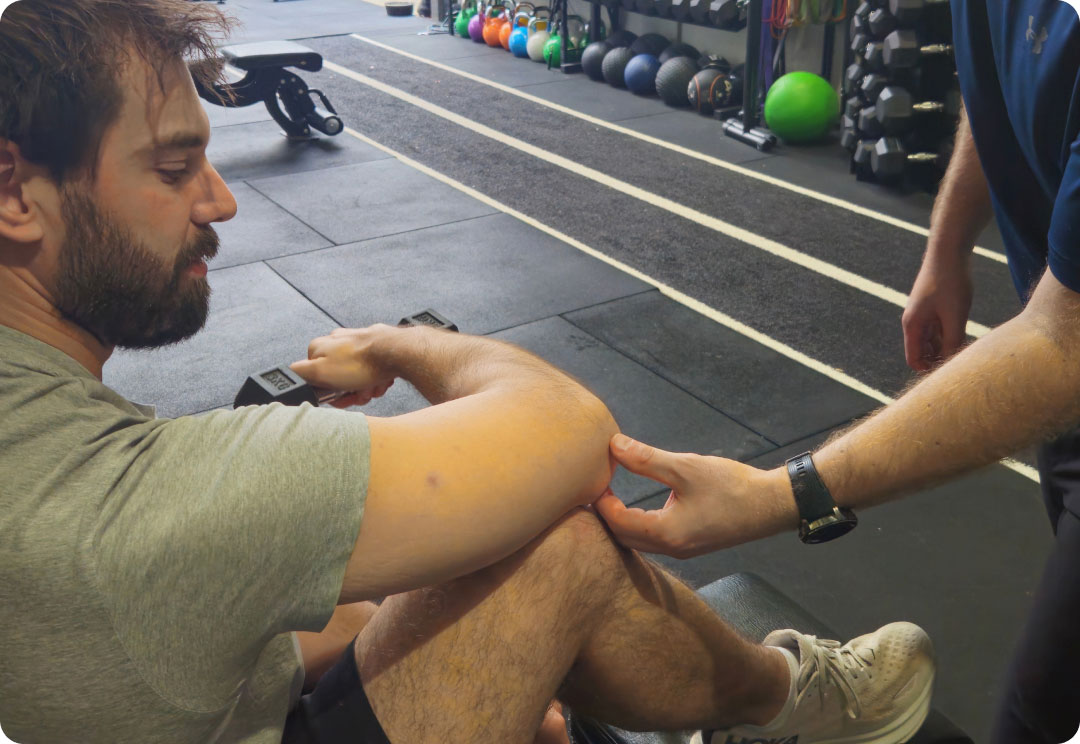
What is an ACL injury?
An ACL injury is one of the most common knee injuries affecting athletes involved in sports requiring running, jumping, cutting and rapid changes of direction.
The anterior cruciate ligament (ACL) helps provide stability to the knee by controlling forward movement and rotation of the tibia. When injured, people commonly experience pain, swelling, instability and difficulty returning to sport.
How We Assess an ACL Injury
Assessment involves understanding how the injury occurred, your current symptoms and your goals for returning to sport or activity.
We assess knee movement, strength, stability, control and functional movements to understand your injury and develop an appropriate rehabilitation plan.
Treatment and Rehabilitation Approach
ACL rehabilitation focuses on progressively rebuilding strength, movement confidence and sport-specific capacity.
Your rehabilitation program may include mobility exercises, strength training, balance and control exercises, running progression and a structured return-to-sport pathway.
This sits within our broader sports physiotherapy approach to injury management and return to activity.
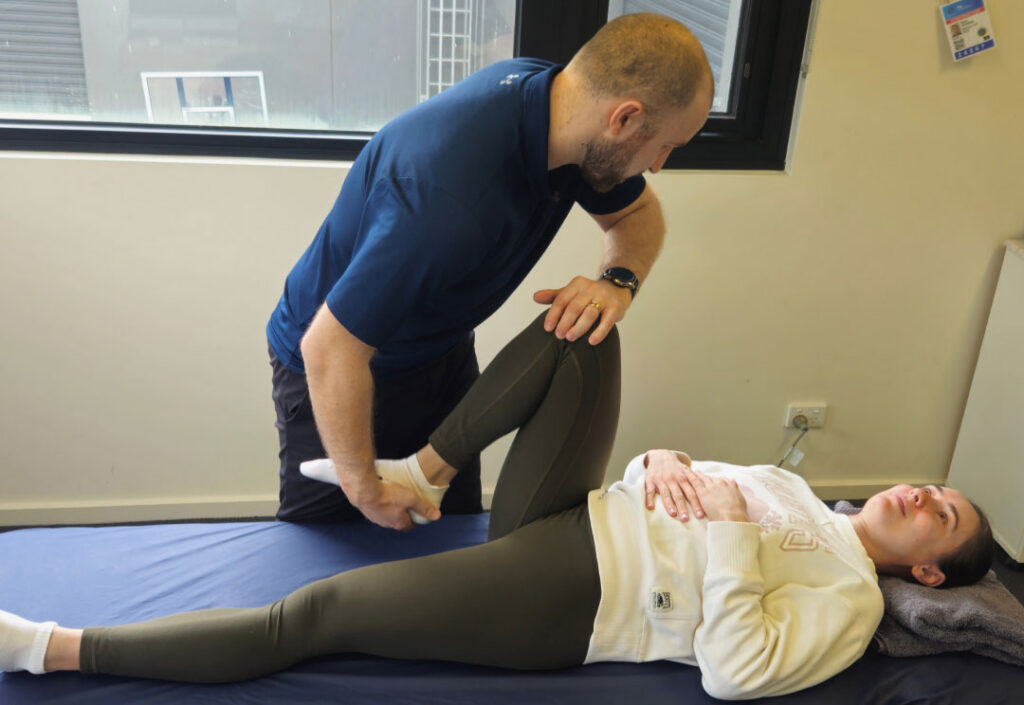
Looking for help with an ACL Injury?
An assessment can help identify the factors contributing to your symptoms and guide the next steps.
Symptoms
Knee swelling
Rapid swelling can occur after an ACL injury due to bleeding within the knee joint.
Feeling of instability
Some people experience the knee giving way, particularly during twisting or changing direction.
Reduced confidence with movement
Activities such as running, jumping or sport-specific movements may feel difficult or unsafe.
Causes and Risk Factors
Change of direction
Rapid pivoting or cutting movements can place significant stress on the ACL.
Landing mechanics
Poor landing position or reduced lower limb control can increase knee loading.
Contact injury
A direct impact during sport can force the knee beyond its normal range of movement.
Return-to-Sport Considerations
Restore strength
Progressive strength training helps rebuild the capacity required for sport.
Rebuild movement confidence
Running, jumping and change-of-direction drills are gradually introduced as confidence improves.
Return to competition
A structured return-to-sport process supports both physical and mental preparation.
Frequently Asked Questions
Can an ACL injury heal without surgery?
Some people can successfully return to activity without surgery, depending on their goals, knee stability and rehabilitation progress. A thorough assessment helps determine what’s appropriate for you.
How long does ACL rehabilitation typically take?
Recovery timeframes vary considerably and depend on factors like the severity of the injury, whether surgery is involved, and how your rehabilitation progresses. Your physiotherapist can give you a clearer picture once you’ve been assessed.
When can I return to sport after an ACL injury?
This is guided by criteria such as strength and movement control, alongside how confident you feel with the demands of your sport, rather than a fixed date. A structured, staged return is planned around how you’re actually tracking, not a generic timeline.
What does ACL rehabilitation actually involve?
Rehabilitation typically progresses from restoring movement and reducing swelling, through building strength and control, to sport-specific training. The exact plan depends on your injury, whether you’ve had surgery, and your goals.
Clinically reviewed by Ryan Harris on 08/08/2026