
Shoulder Pain in Croydon: What to Expect
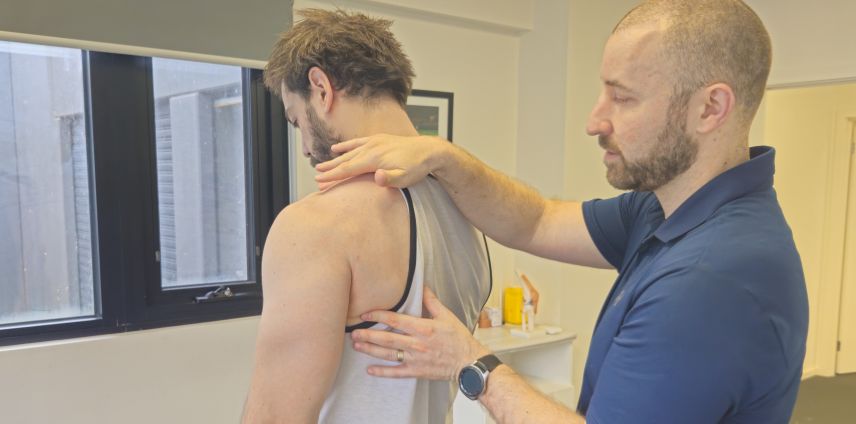
Shoulder pain is one of the most common presentations we assess at Adapt Sports Physiotherapy — and if you’ve been searching for a physio for shoulder pain in Croydon, you’re not alone. We regularly see patients from Croydon, Chirnside Park, Mooroolbark, and Lilydale with shoulder complaints ranging from acute injuries to persistent aches that have been building for months.
The frustrating part about shoulder pain is that it rarely has a single cause. Two people with identical symptoms can have completely different underlying drivers — which is why generic advice often falls short. This article outlines the most common shoulder presentations we see, what may contribute to them, and when physiotherapy assessment is likely to help.
Who Gets Shoulder Pain?
In our clinic, shoulder pain is most common in gym-goers and weightlifters doing high volumes of pressing, overhead, or pulling movements; football players managing contact injuries or repetitive throwing loads; runners and cyclists dealing with postural load rather than direct shoulder use; tradies and manual workers with sustained or repetitive overhead demands; and people who sit at a desk for long hours with accumulated postural stiffness. Age, training history, and workload all influence how a shoulder presents and what approach is most appropriate.
Common Causes of Shoulder Pain
1. Rotator Cuff Irritation
The rotator cuff is a group of four muscles that stabilise the shoulder joint during almost every upper limb movement — lifting, reaching, throwing, pressing, and pulling. When these muscles are overloaded, understrength, or not coordinating well with the shoulder blade, pain and dysfunction can develop.
Common signs include pain on the outer side of the shoulder (sometimes referring into the upper arm), discomfort lifting the arm overhead or reaching behind your back, weakness or fatigue with pushing and pulling movements, and pain that builds with repeated use and settles with rest.
Management typically involves temporarily reducing the load or volume that aggravates the shoulder, commencing progressive shoulder rehabilitation, and reviewing movement patterns in training or work. For more detail, see our shoulder pain physio page.
2. Shoulder Impingement
Impingement describes compression of the soft tissues — tendons, bursa — within the shoulder joint during movement. It’s one of the most frequently diagnosed shoulder conditions, particularly in overhead athletes and gym-goers. Impingement is often linked to reduced shoulder blade control, limited thoracic mobility, or a sudden increase in overhead training load.
Common signs include a sharp or pinching pain when lifting overhead or reaching across the body, a painful arc through a specific range of shoulder movement, clicking or catching sensations, and pain lying on the affected shoulder at night. Management involves improving thoracic and shoulder mobility, strengthening the rotator cuff and scapular muscles, and adjusting training load temporarily. Read more in our dedicated post on shoulder impingement physiotherapy.
3. AC Joint Injuries
The acromioclavicular (AC) joint sits at the top of the shoulder where the collarbone meets the shoulder blade. It’s commonly injured in contact sport through football tackles, falls onto an outstretched arm, or direct impact. Common signs include pain and tenderness directly at the top of the shoulder, a visible bump or step deformity in more significant injuries, pain with cross-body movements and overhead pressing, and discomfort carrying bags or wearing a seatbelt.
4. Gym and Training-Related Shoulder Overload
This is one of the most common presentations we see from Croydon and surrounding suburbs. The shoulder isn’t necessarily injured — it’s overloaded. A sudden spike in training volume, a new program, or a change in technique can push the shoulder beyond what it’s currently conditioned to handle. A dull ache that builds after training, pain during bench press, overhead press, dips or pull-ups, and a shoulder that “warms up” in training but aches for hours afterward are typical signs.
Management involves reviewing training load, making temporary exercise modifications rather than complete rest, and addressing mobility restrictions that are altering technique under load. If you train CrossFit, our post on CrossFit and shoulder injuries covers this in detail.
5. Frozen Shoulder (Adhesive Capsulitis)
Frozen shoulder involves progressive stiffening of the shoulder joint capsule, leading to significant loss of movement in all directions. It tends to develop gradually and is more common in people aged 40–60. Significant loss of movement — particularly rotation and lifting the arm — aching at rest, severe pain at end range, and difficulty with basic tasks like reaching overhead or putting on a jacket are hallmark features. Physiotherapy helps maintain and gradually restore movement throughout the stages of frozen shoulder, which typically resolves over 12–24 months.
When Should You See a Physio for Shoulder Pain?
Physiotherapy assessment is likely to be useful if your shoulder pain is persisting beyond 1–2 weeks without improvement, waking you at night or disrupting sleep, limiting training, work tasks, or daily activities, making you uncertain about what movements are safe to continue, or following a contact injury, fall, or sudden onset during sport.
A thorough assessment can identify the likely contributing factors and guide a management plan specific to your situation — including what you can keep doing during recovery. For more on what a shoulder assessment involves, visit our shoulder pain physiotherapy page.
Frequently Asked Questions
Why does my shoulder hurt when I lift my arm?
Pain with lifting the arm is commonly associated with rotator cuff irritation, impingement, or reduced shoulder blade control. The exact pattern of pain — where it occurs in the range and what makes it worse — helps identify the likely cause. Assessment is the most reliable way to determine what’s driving your symptoms. (General information only.)
Can I keep training with shoulder pain?
In many cases, yes — with appropriate modifications. Completely stopping activity is often not necessary and may slow recovery. Adjusting load, range, or exercise selection can allow training to continue while the shoulder settles. If pain is severe, worsening, or affecting sleep, seek assessment sooner. (General information only.)
Is shoulder impingement serious?
Impingement is a common condition that often responds well to physiotherapy focused on mobility, strength, and movement retraining. It becomes more limiting when left unaddressed over longer periods. (General information only.)
How long does shoulder pain take to resolve?
This varies significantly depending on the cause, severity, and how the shoulder is managed. Some presentations settle within a few weeks. Others, such as frozen shoulder or post-surgical rehab, require a longer structured program. (General information only.)
Do I need a referral to see a physio for shoulder pain?
No referral is needed to book a physiotherapy appointment at Adapt Sports Physiotherapy. You can book directly online or by phone. (General information only.)