
Back Pain
Back pain is extremely common, and most episodes settle with time and the right approach. Assessment helps clarify what's driving your symptoms and what — if anything — is likely to help, without assuming every case needs the same treatment.
30-minute appointments as standard · No referral required
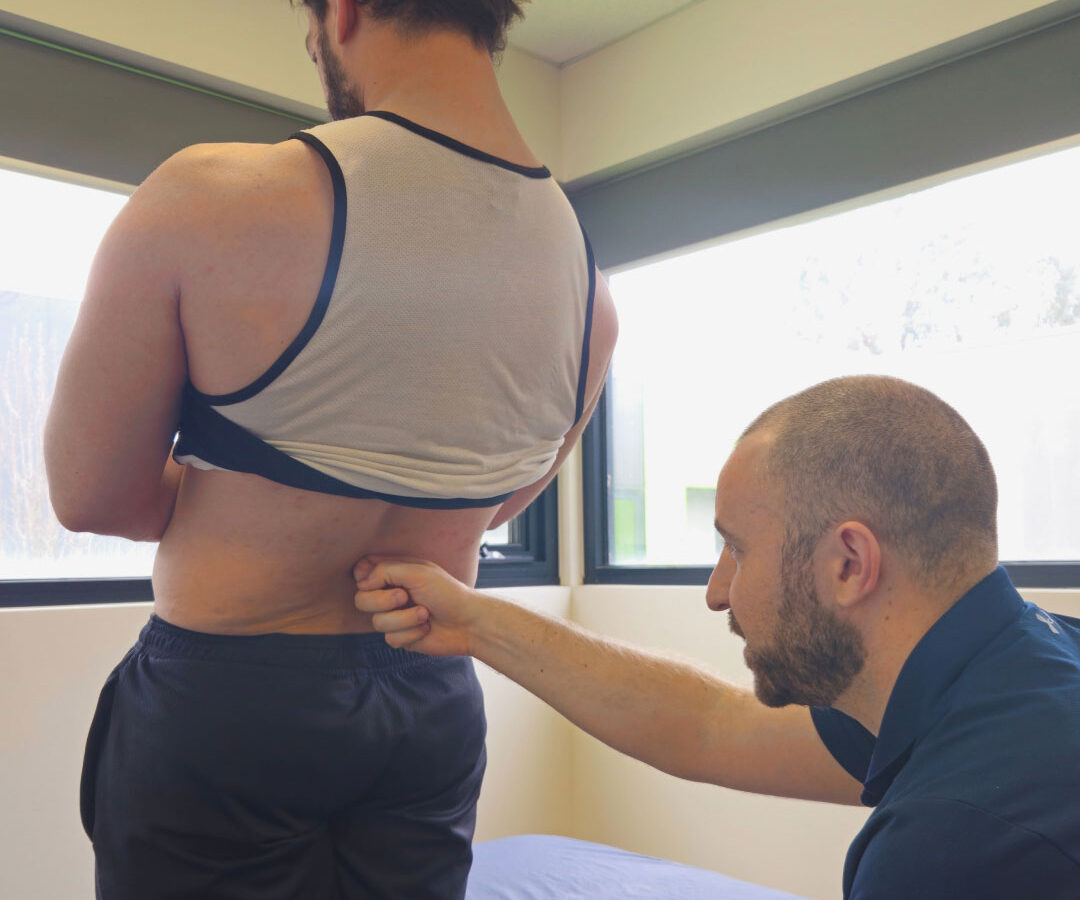
What is Back Pain?
Back pain is extremely common — most people experience it at some point, and most episodes settle with time and appropriate management. It can range from a mild ache to pain that limits movement, and may develop gradually or follow a specific incident.
Back pain doesn’t always need treatment. Many episodes improve on their own, and staying as active as you comfortably can is usually more helpful than prolonged rest. Where pain persists, is severe, or is affecting your ability to do the things you want to do, an assessment can help clarify what’s going on and what might help.
This can include localised stiffness, pain that changes with movement or position, or discomfort that occasionally spreads into the leg.
How We Assess Back Pain
Assessment involves understanding how your back pain started, what makes it better or worse, and what’s important to you — whether that’s returning to sport, exercise, work, or everyday activities without pain limiting you.
We assess movement, strength and control through your back and surrounding areas to build a clear picture of what’s contributing to your symptoms, and to identify anything that needs closer attention. In a small number of cases, back pain can be associated with other symptoms that need prompt medical attention — this is part of what assessment looks for, and your physiotherapist will discuss it with you directly if relevant.
What to expect: Your assessment will usually involve discussing your symptoms, understanding how they affect your activity, assessing movement and strength through your back, and developing a plan based on your goals.
Treatment and Rehabilitation Approach
Where treatment is appropriate, it’s guided by what the assessment finds — often combining hands-on treatment, targeted exercise, and guidance on staying active in a way that supports recovery rather than avoiding movement altogether.
For people wanting to return to sport or training, this sits within our wider sports physiotherapy approach, with activity built back in progressively.
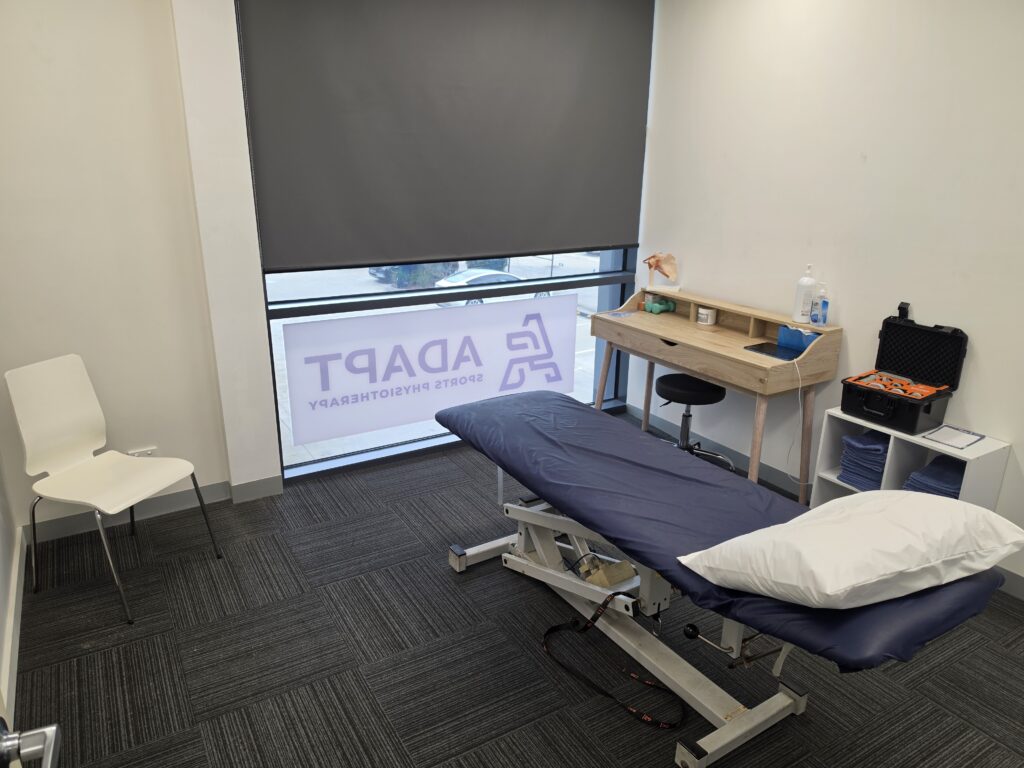
Looking for help with Back Pain?
An assessment can help identify the factors contributing to your symptoms and guide the next steps.
Symptoms
Pain with movement or position
Pain that changes with movement, position or activity is a common and usually reassuring pattern.
Stiffness
Stiffness, particularly first thing in the morning or after sitting for a while, is a common feature of back pain.
Reduced confidence with activity
Some people become hesitant to move or exercise because of back pain — understanding what’s actually happening can help address this.
Causes and Risk Factors
Load and activity changes
A change in activity, training, or how much you’re sitting or moving, can contribute to back pain.
Movement and control
How your back and surrounding areas move and share load can influence symptoms.
Sleep, stress and general wellbeing
Sleep, stress and general wellbeing can all influence how back pain is experienced, alongside physical factors.
Return-to-Sport Considerations
Stay as active as appropriate
Staying appropriately active, rather than stopping altogether, usually supports recovery.
Rebuild strength and control
Progressive strengthening rebuilds the capacity needed for daily activity, exercise or sport.
Return to full activity gradually
Activity and training are reintroduced in stages, guided by how your back responds rather than a fixed timeframe.
Frequently Asked Questions
Does back pain mean something is seriously wrong?
Not usually. Back pain is extremely common and is rarely a sign of serious damage. Most episodes improve with time and appropriate management. If you have any concerning symptoms, these are discussed with you as part of your assessment.
Do I need a scan for back pain?
Imaging isn’t required for most back pain, and often doesn’t change how it’s managed. It’s considered when the result would genuinely inform your treatment, which is discussed with you at assessment.
Should I rest if I have back pain?
Usually not completely. Staying as active as you comfortably can, rather than prolonged rest, is generally more helpful for recovery. Your physiotherapist can guide you on what’s appropriate for your situation.
How long does back pain take to settle?
This varies depending on the individual and what’s driving your symptoms — there’s no single timeframe that applies to everyone. Your physiotherapist can give you a clearer picture once you’ve been assessed.
Clinically reviewed by Ryan Harris on 06/08/2026