
Neck Pain
Neck pain is a common presentation, ranging from mild stiffness to pain that limits movement. Assessment helps clarify what's driving your symptoms and supports a return to normal activity.
30-minute appointments as standard · No referral required
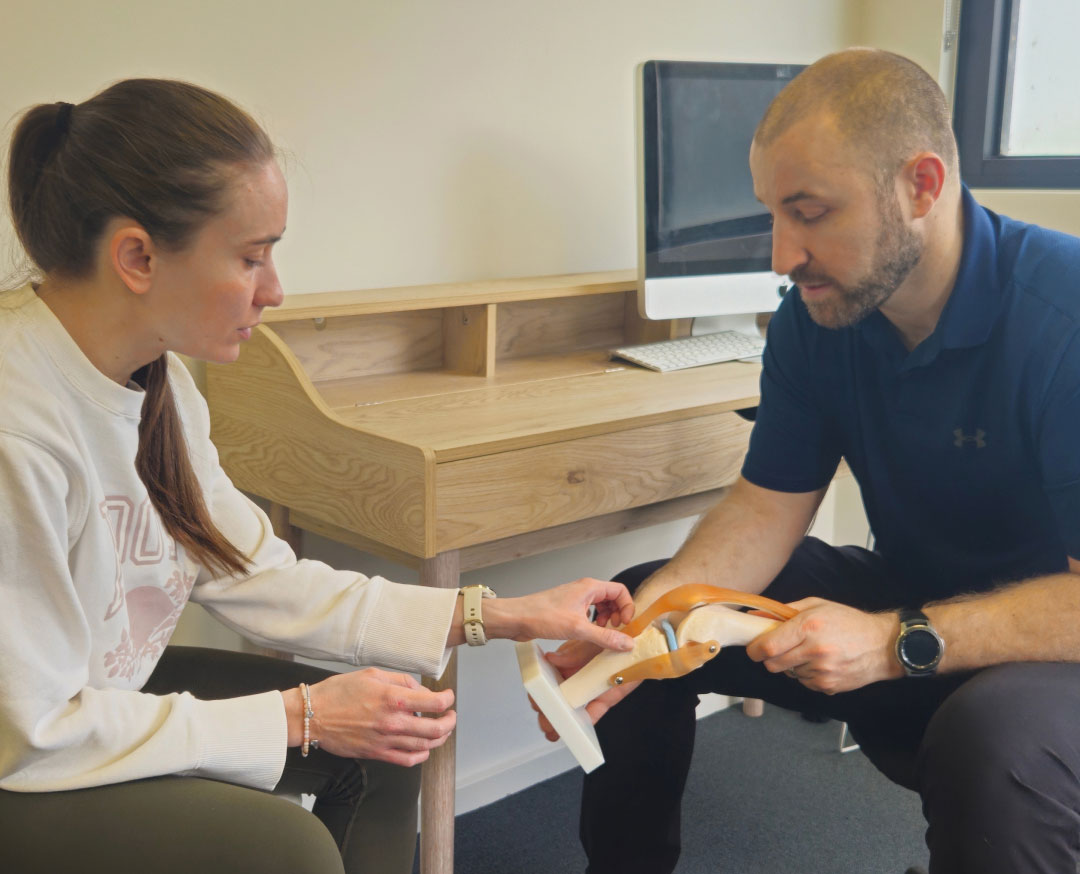
What is Neck Pain?
Neck pain is a common presentation, ranging from mild stiffness to more significant pain that limits movement. It can develop gradually, often related to posture or activity, or occasionally follow a specific incident.
This can include stiffness that limits turning or tilting your head, an ache that builds through the day, or discomfort that radiates into the shoulder or upper back. Some people also notice headaches connected to their neck symptoms, often felt at the base of the skull — a pattern sometimes described as cervicogenic headache. Most neck pain is common and manageable rather than a sign of something serious.
How We Assess Neck Pain
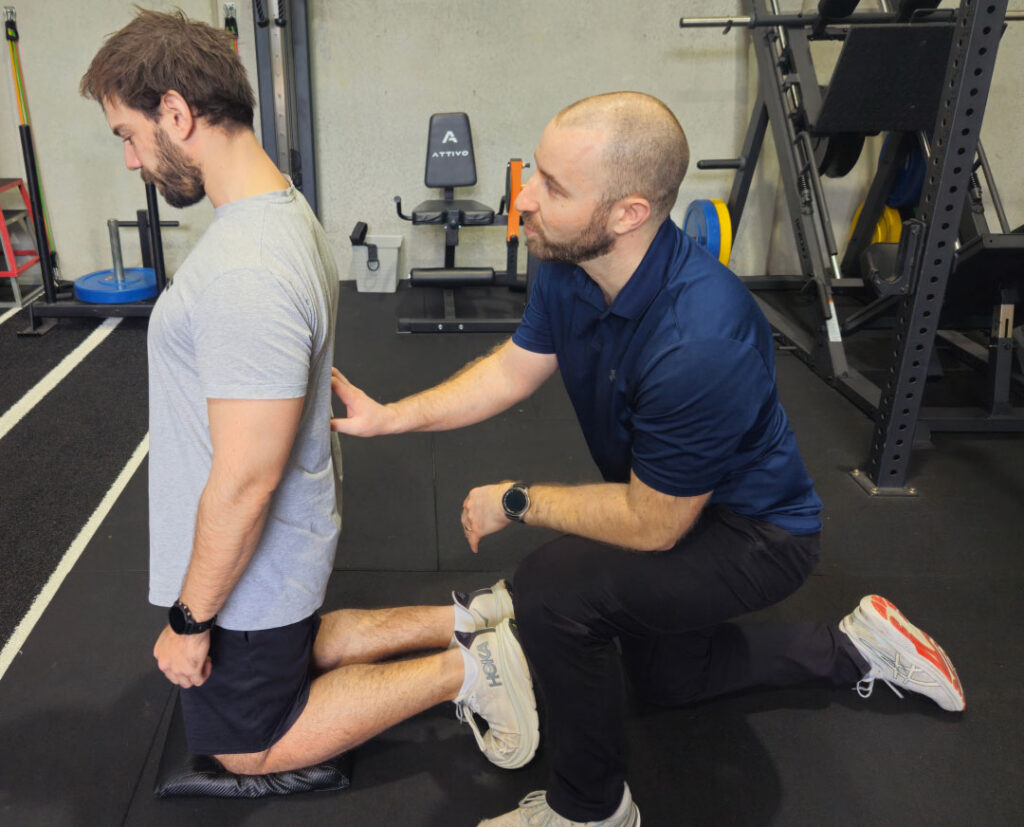
Assessment involves understanding how your symptoms started, what makes them better or worse, and what’s important to you — whether that’s returning to work, exercise or comfortable daily movement.
We assess neck movement, strength and control, alongside posture and activity factors, to build a clear picture of what’s contributing to your symptoms.
Treatment and Rehabilitation Approach
Treatment often combines hands-on techniques with exercise-based rehabilitation, focused on restoring comfortable movement and staying as active as appropriate.
This draws on the same principles used on our physiotherapy page, applied specifically to neck presentations.
Looking for help with Neck Pain?
An assessment can help identify the factors contributing to your symptoms and guide the next steps.
Symptoms
Stiffness with movement
Often noticed when turning the head to check over your shoulder or looking up and down.
An ache that builds through the day
Particularly common with prolonged sitting or screen-based work.
Discomfort spreading to the shoulder
Some people notice symptoms extending into the upper back or shoulder area.
Causes and Risk Factors
Posture and prolonged positions
Extended periods in one position, such as desk work, can contribute to neck symptoms.
Activity or training changes
A change in activity or training load can also be associated with neck symptoms.
Stress and general tension
General muscle tension, including from stress, can influence how neck symptoms are experienced.
Return-to-Sport Considerations
Restore comfortable movement
Early management focuses on reducing stiffness and restoring comfortable neck movement.
Build strength and control
Progressive exercise supports the neck and upper back as movement improves.
Return to normal activity gradually
Work, exercise and daily activities are reintroduced in a way that respects how your symptoms are responding.
Frequently Asked Questions
Is neck pain serious?
Most neck pain is common and not a sign of anything serious. Persistent or worsening symptoms, or pain following a significant incident, are worth having assessed.
Do I need a scan for neck pain?
Imaging isn’t required for most neck pain, and is considered when the result would change how it’s managed.
Should I rest if I have neck pain?
Usually not completely. Staying as active as you comfortably can, alongside appropriate treatment, generally supports recovery.
How long does neck pain take to settle?
This varies depending on the individual and what’s driving your symptoms — your physiotherapist can give you a clearer picture once assessed.
Clinically reviewed by Ryan Harris on 18/08/2026