
Meniscus Injury
A meniscus injury affects the cartilage that cushions the knee joint, and can occur suddenly through twisting or develop gradually over time. Assessment helps clarify what's driving your symptoms and what management is appropriate.
30-minute appointments as standard · No referral required
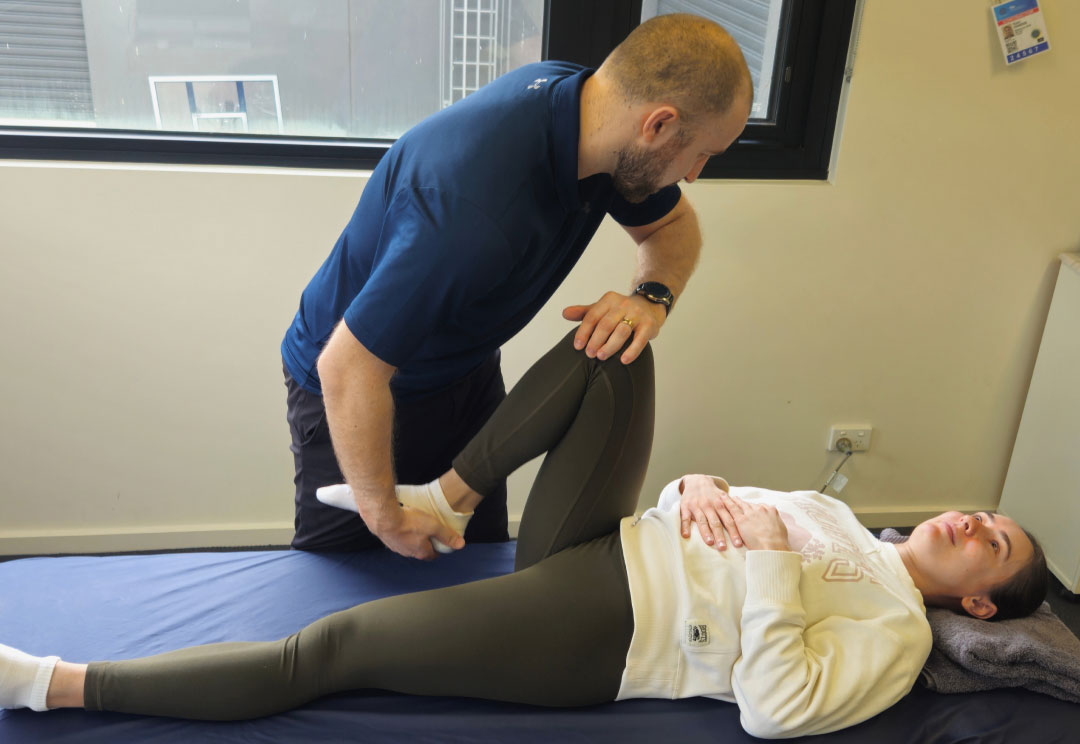
What is Meniscus Injury?
The meniscus is a piece of cartilage that helps cushion and stabilise the knee joint. A meniscus injury can occur suddenly, often through a twisting movement while the foot is planted, or develop more gradually as part of general wear over time.
This can include pain along the joint line, a sensation of catching or locking, swelling, or a feeling that the knee isn’t moving smoothly. Symptoms and management differ depending on how the injury occurred and how it’s currently affecting your knee.
How We Assess Meniscus Injury
Assessment includes understanding how your symptoms started, whether there was a specific incident, and how your knee is currently behaving with movement and load.
We assess knee movement, strength and stability, including joint-line tenderness and whether the knee catches or locks during movement — specific features that help build a picture of what’s driving your symptoms and guide appropriate management.
Treatment and Rehabilitation Approach
Management depends on the nature and severity of the injury, and may include a structured exercise-based rehabilitation program focused on restoring movement, strength and confidence.
This often sits alongside our broader knee pain approach, and where a meniscus injury occurs alongside an ACL injury, care is coordinated across both.
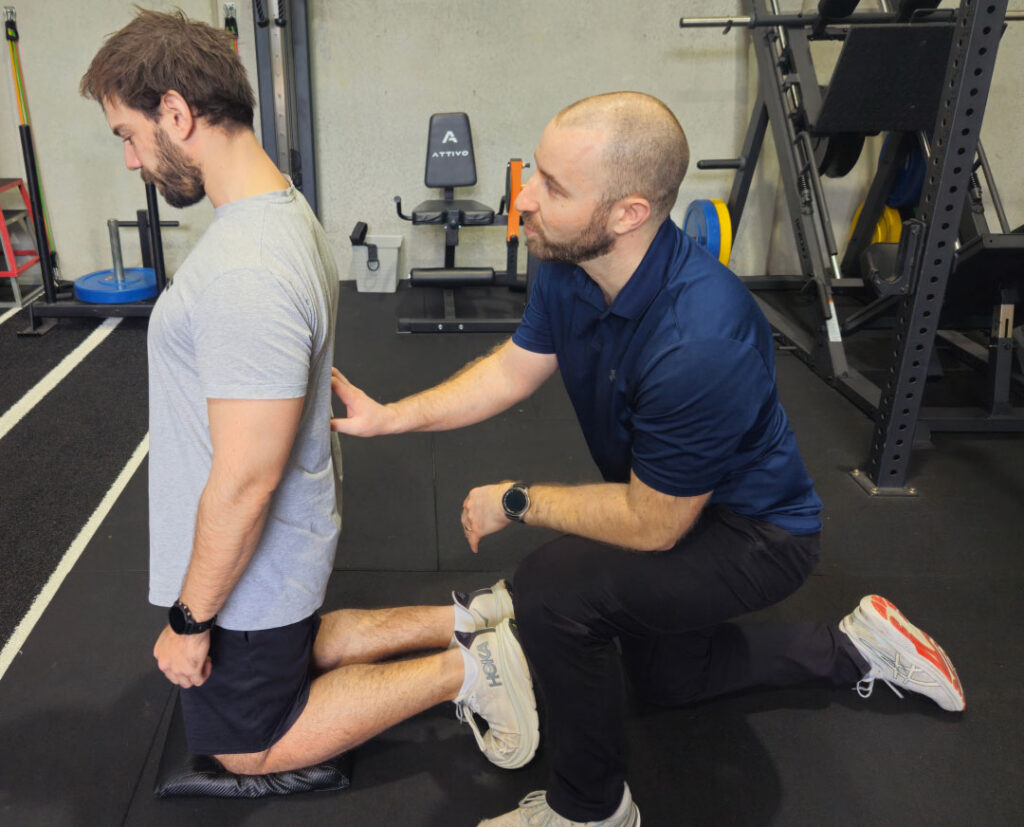
Looking for help with a Meniscus Injury?
An assessment can help identify the factors contributing to your symptoms and guide the next steps.
Symptoms
Pain along the joint line
Often felt on the inner or outer side of the knee, along the joint itself.
Catching or locking sensation
Some people notice their knee catching, clicking or briefly locking during movement.
Swelling
Swelling can develop soon after a specific incident, or build up more gradually.
Causes and Risk Factors
A twisting incident
Often occurs when the foot is planted and the knee twists, common in pivoting sports.
Gradual degenerative change
Meniscus changes can also develop gradually over time, particularly with ongoing joint load.
Previous knee injury
A prior knee injury, including an ACL injury, can be associated with meniscus involvement.
Return-to-Sport Considerations
Restore movement and reduce swelling
Early management focuses on settling symptoms and restoring comfortable movement.
Rebuild strength and control
Progressive strengthening supports the knee as movement and confidence improve.
Return to sport or activity gradually
A staged return to sport or activity is planned around how your knee responds through rehabilitation.
Frequently Asked Questions
Do all meniscus injuries need surgery?
No. Many meniscus injuries are managed effectively with a structured rehabilitation program, though this depends on the type and severity of the injury — your physiotherapist can discuss what’s appropriate.
Can I still walk on a meniscus injury?
This depends on the severity of your symptoms. Some people can continue weight-bearing activity, while others need a period of relative rest — an assessment can guide you.
Do I need a scan for a meniscus injury?
Imaging can be useful in some presentations, particularly if there’s locking or significant mechanical symptoms, and this is discussed with you at assessment.
How long does meniscus rehabilitation take?
This varies depending on the injury and your goals — your physiotherapist can give you a clearer timeframe once you’ve been assessed.
Clinically reviewed by Ryan Harris on 18/08/2026