
Plantar Fasciitis
Plantar fasciitis is a common cause of heel pain, often noticed with the first steps in the morning or after standing or walking for extended periods. Assessment helps identify what's contributing to your symptoms.
30-minute appointments as standard · No referral required
What is Plantar Fasciitis?
Plantar fasciitis refers to pain in the plantar fascia, the tissue that runs along the sole of the foot from the heel to the toes. It commonly causes heel pain, particularly with the first steps after rest.
This can include sharp or aching pain under the heel, particularly first thing in the morning or after sitting, discomfort that eases with gentle movement, or pain that builds again after standing or walking for long periods.
How We Assess Plantar Fasciitis
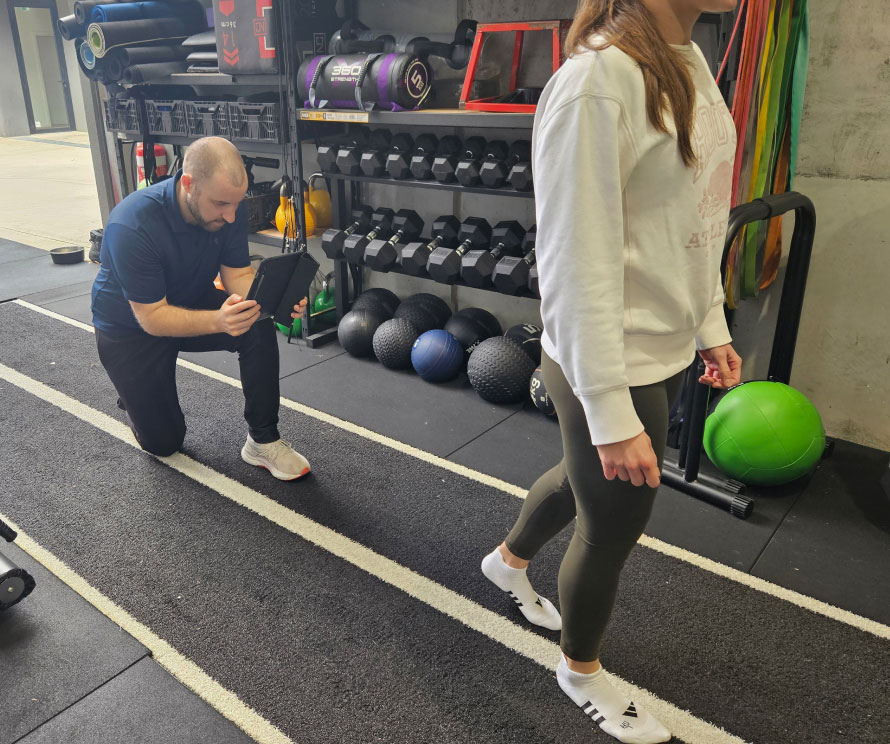
Assessment includes your history, footwear, activity levels, and how your symptoms behave throughout the day.
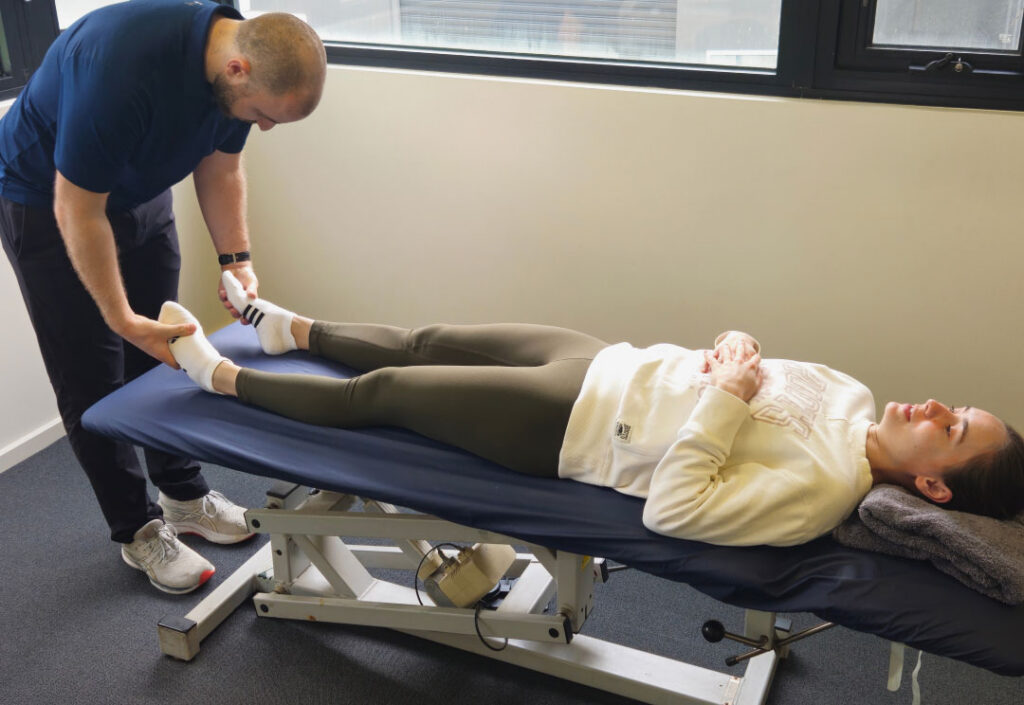
We assess foot and ankle movement, strength and load tolerance, alongside factors such as footwear and standing or walking demands, to understand what’s contributing to your symptoms.
Treatment and Rehabilitation Approach
Treatment often combines education, load management, and progressive loading exercises for the foot and calf, rather than rest alone.
This sits within our broader foot and ankle pain and physiotherapy approach.
Looking for help with Plantar Fasciitis?
An assessment can help identify the factors contributing to your symptoms and guide the next steps.
Symptoms
Heel pain with first steps
Often the most noticeable feature, particularly getting out of bed or after sitting for a while.
Pain that eases then returns
Symptoms can settle with gentle movement, then build again after prolonged standing or walking.
Tenderness under the heel
Often felt directly under the heel or along the arch of the foot.
Causes and Risk Factors
Standing or walking load changes
A change in how much time is spent standing or walking can contribute to symptoms.
Footwear factors
Footwear with limited support can influence load through the plantar fascia.
Foot and calf strength and mobility
Reduced strength or mobility through the foot and calf can affect how load is managed.
Return-to-Sport Considerations
Progressive loading
Load is introduced gradually to build the tissue’s tolerance rather than aggravating it further.
Reintroduce standing and walking gradually
Time spent on your feet is built back up in a way that respects how your symptoms are responding.
Return to running or sport where relevant
For active people, a staged return to running or sport-specific activity is planned around your progress.
Frequently Asked Questions
How long does plantar fasciitis take to settle?
This varies between individuals, and can take some time to fully resolve — your physiotherapist can give you a clearer picture once you’ve been assessed.
Should I rest completely with plantar fasciitis?
Usually not completely. Staying appropriately active, alongside load management, is generally more helpful than complete rest.
Do orthotics help with plantar fasciitis?
This can be part of management for some people, and is discussed on an individual basis depending on your presentation.
Do I need imaging for heel pain?
Imaging isn’t usually required for plantar fasciitis, as it’s typically diagnosed based on your history and assessment findings.
Clinically reviewed by Ryan Harris on 18/08/2026