ACL Rehabilitation in Chirnside Park
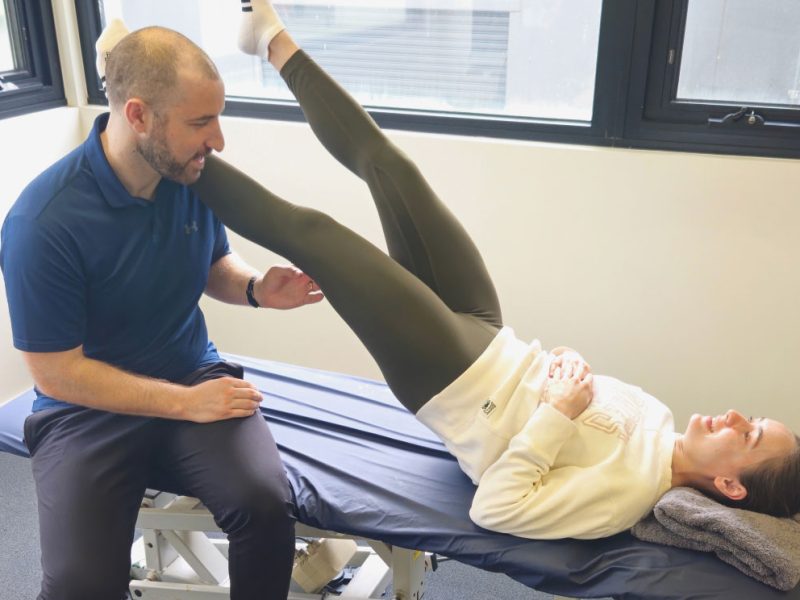
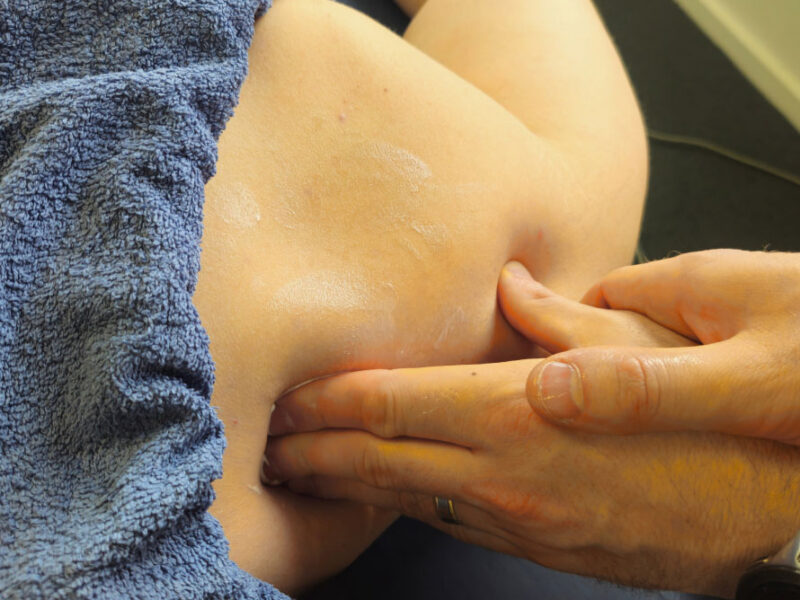
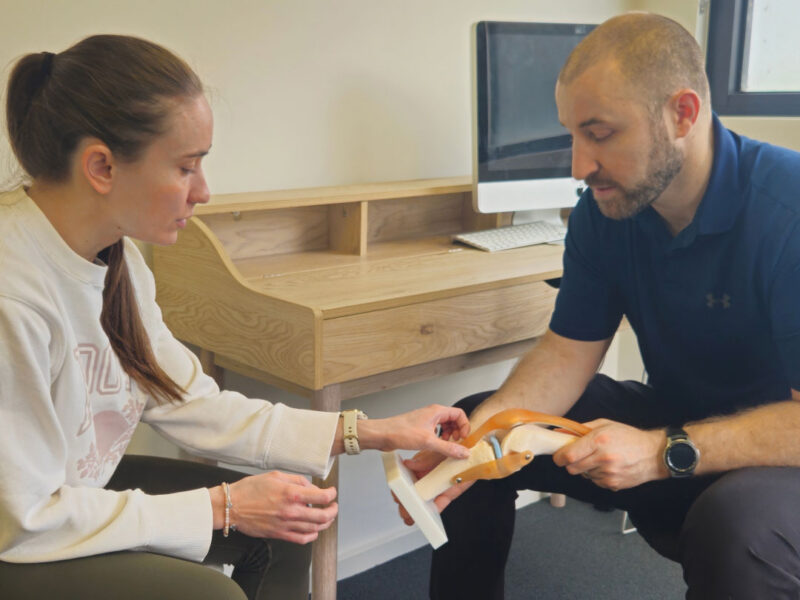
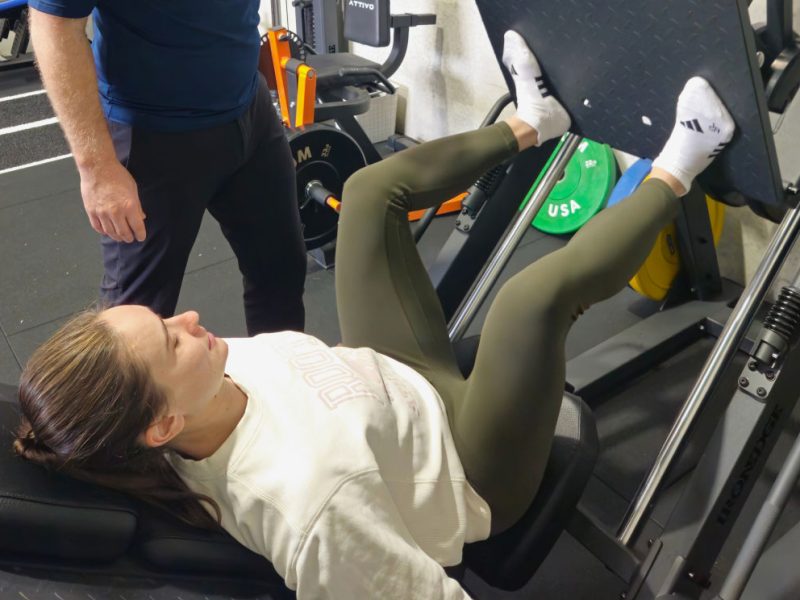
Structured rehabilitation for ACL reconstruction, from early-stage recovery through to strength progression and a staged return to sport.
This page brings together the services Adapt provides and the injuries we most commonly treat. Services describe our approach to a type of rehabilitation — from sports physiotherapy and return-to-sport programs through to knee, shoulder, and back and neck rehabilitation. Conditions are guides to specific injuries: what they typically feel like, what tends to contribute to them, and what rehabilitation generally involves.
If you’re not sure which applies to you, start with the condition closest to your symptoms — each one links through to the services that treat it. Care at Adapt is assessment-led and built around what your training or sport actually demands, for people across Chirnside Park, Croydon, Ringwood, Lilydale and Mooroolbark.
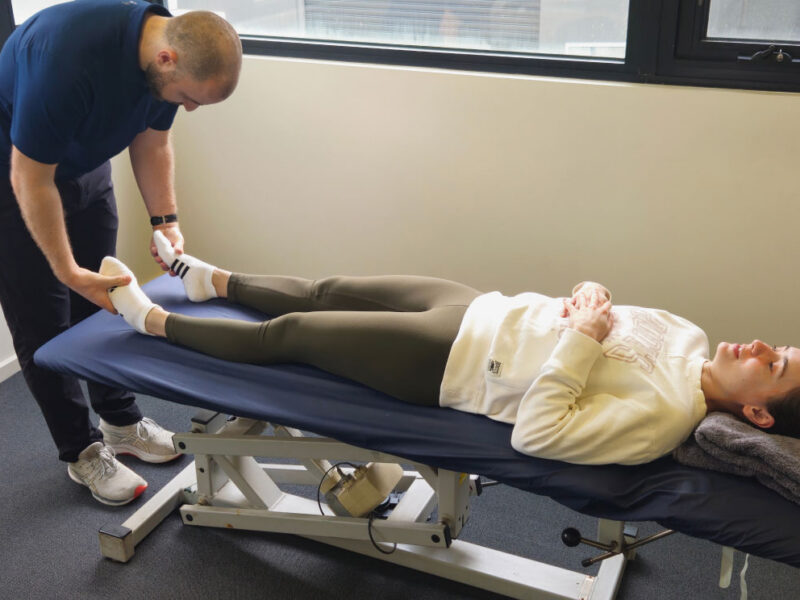
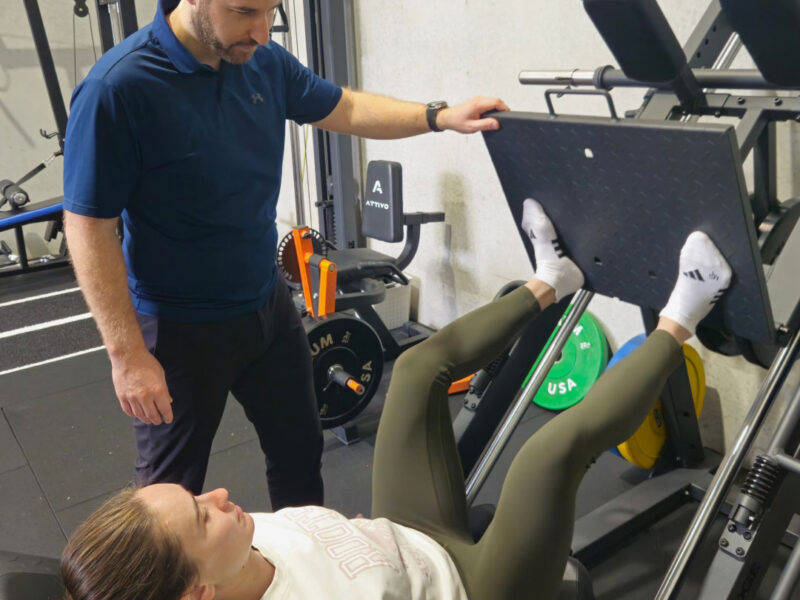
Structured rehabilitation for ACL reconstruction, from early-stage recovery through to strength progression and a staged return to sport.
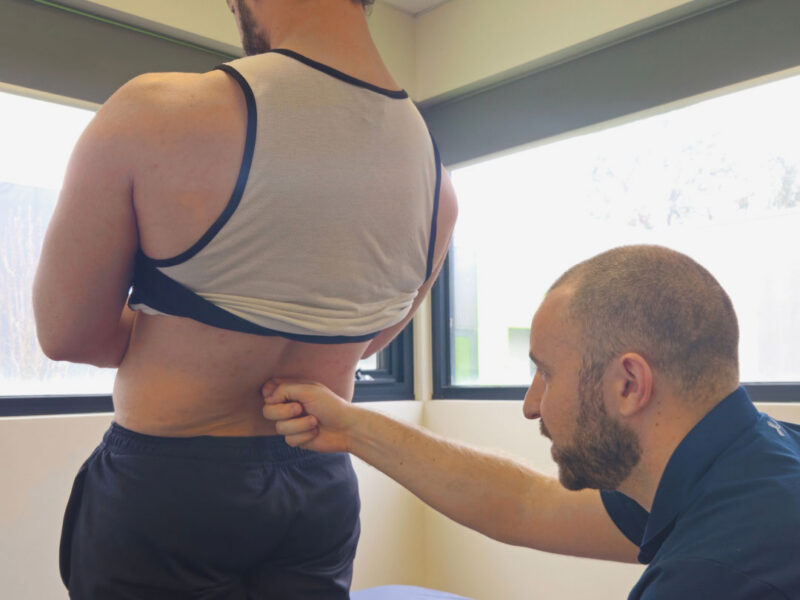
Physiotherapy for spinal pain and mobility problems, combining hands-on treatment and exercise-based rehabilitation to support a return to normal activity.
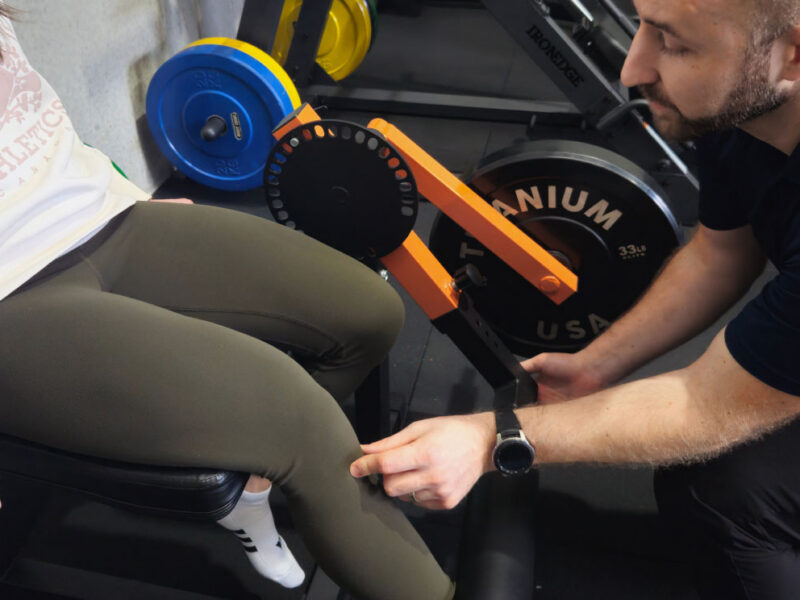
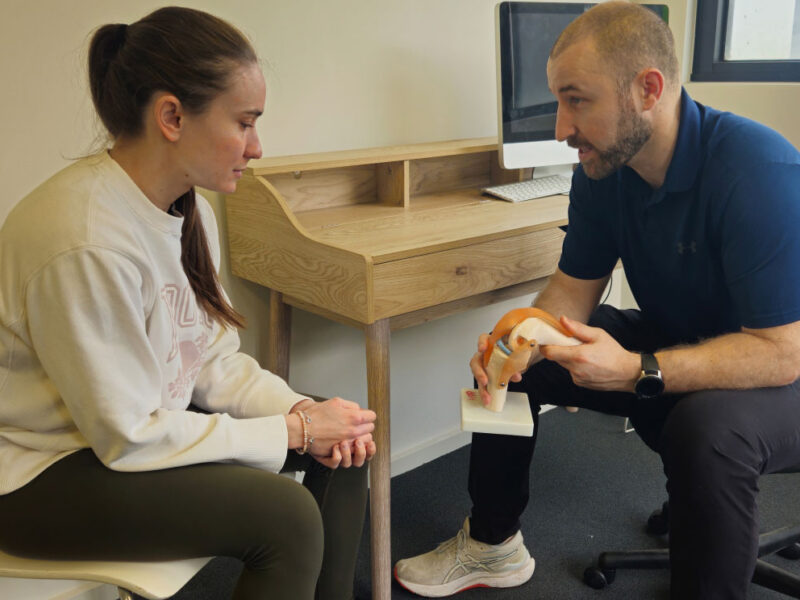
Rehabilitation for knee injuries, surgery and persistent knee pain, focused on restoring strength, movement and function.
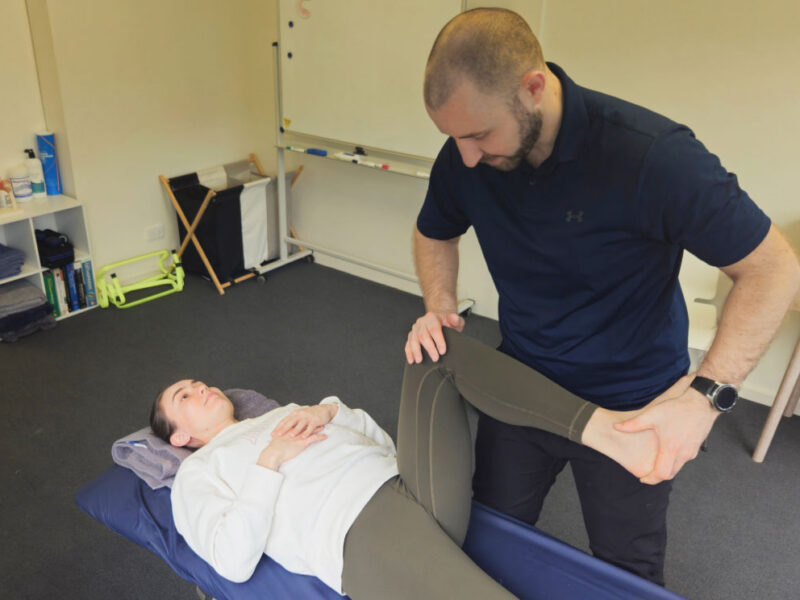
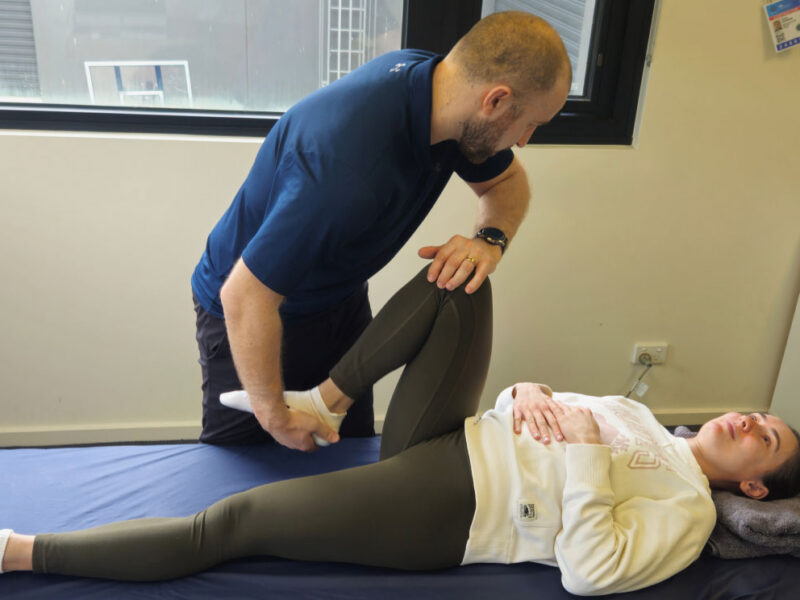
Physiotherapy assesses and treats pain, injury and movement problems through hands-on treatment, exercise and education. Care starts with understanding what's actually driving your symptoms, whatever your goals or activity level.
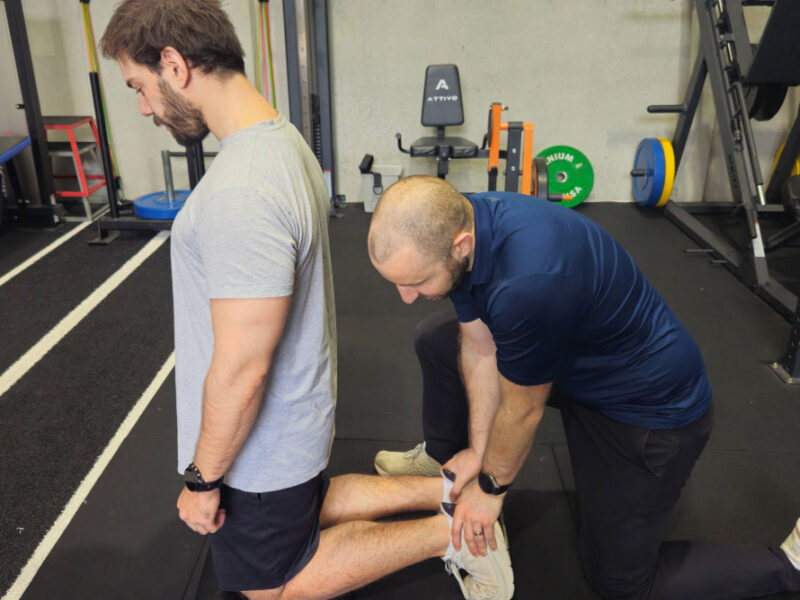
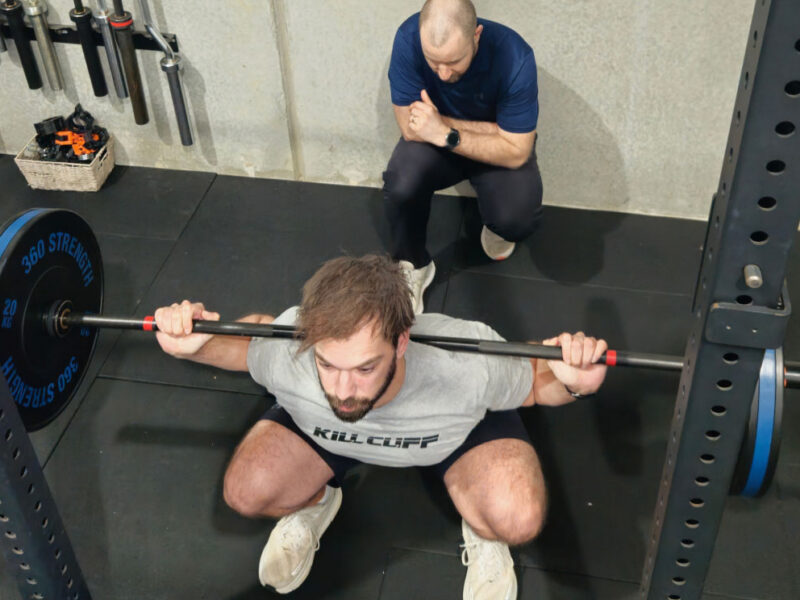
Structured, staged rehabilitation for athletes returning to sport after injury, combining strength progression with objective assessment.
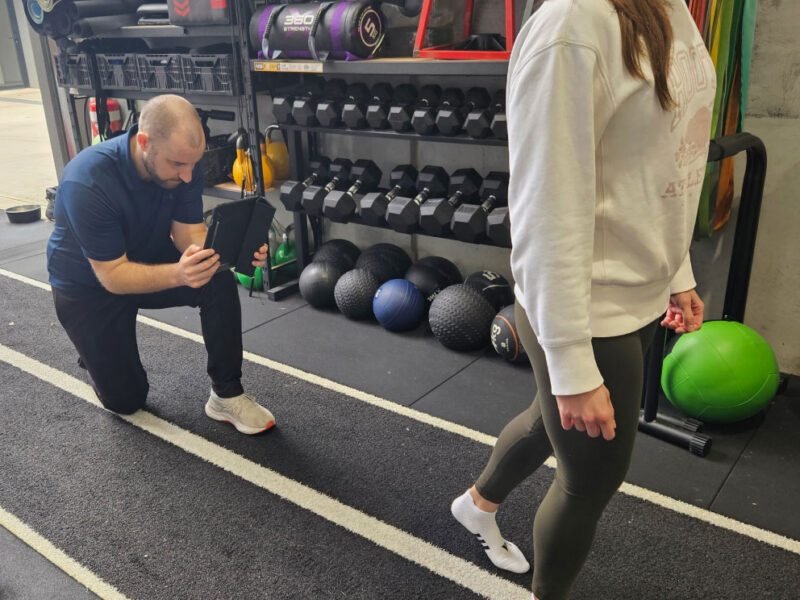
Running assessment and treatment for runners of all levels, covering running-related injuries, movement and load analysis, and a structured return to running.
Rehabilitation for shoulder injuries, post-operative recovery and persistent shoulder pain, focused on restoring strength and function.
Sports physiotherapy applies physiotherapy assessment and treatment to the specific demands of training, sport and exercise. Whether you're managing an injury, returning after time away, or working to reduce your risk of one, your care is built around what your training actually requires.
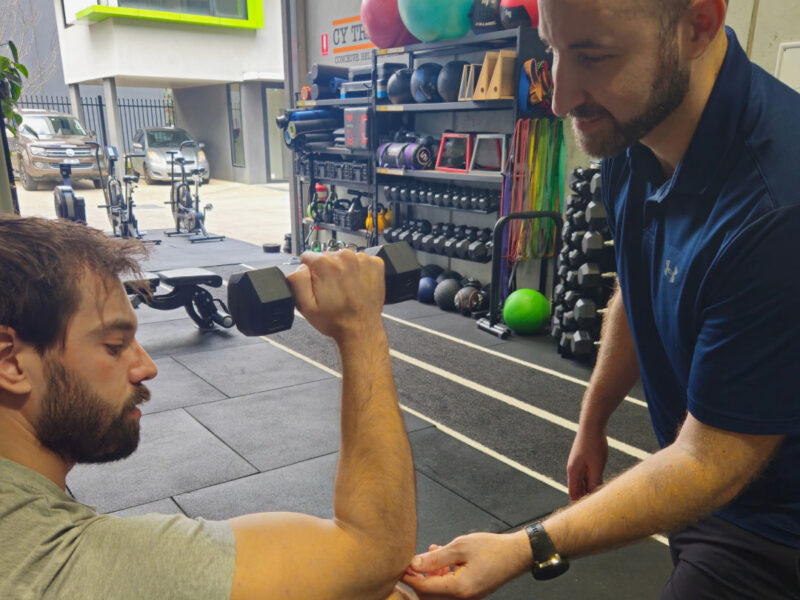
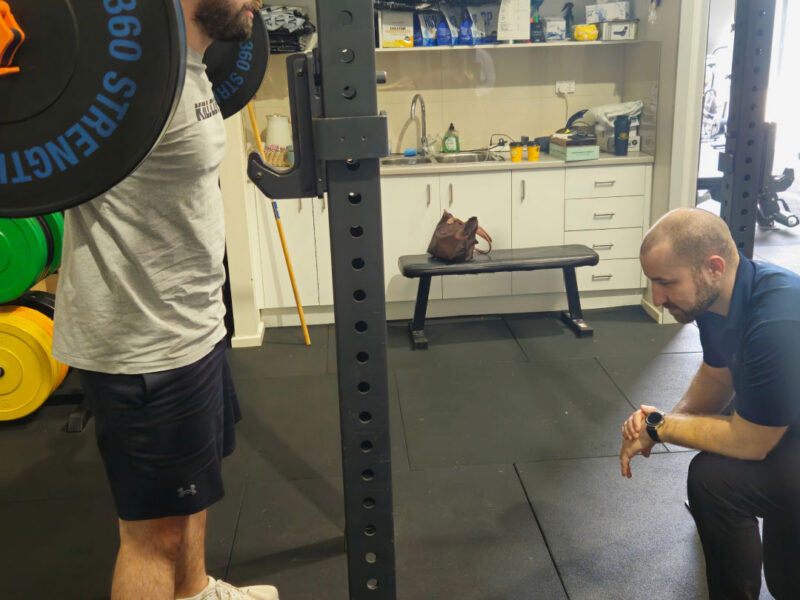
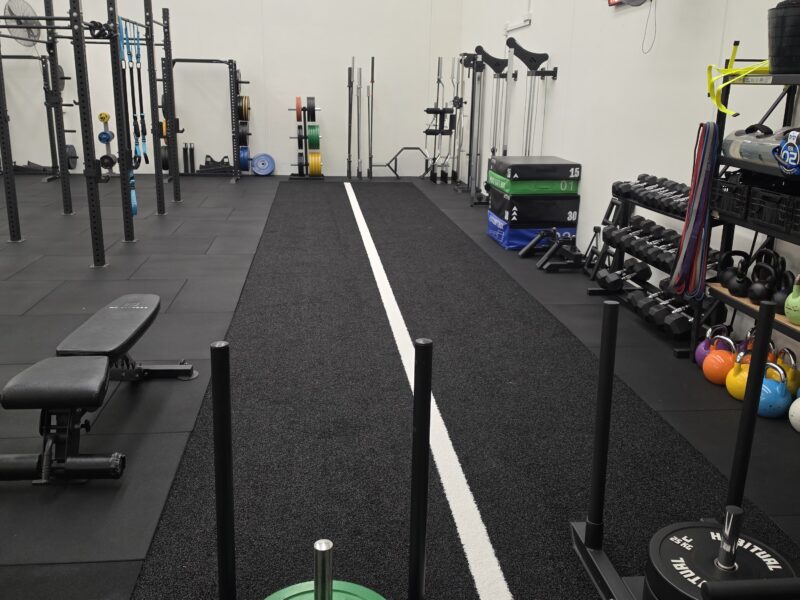
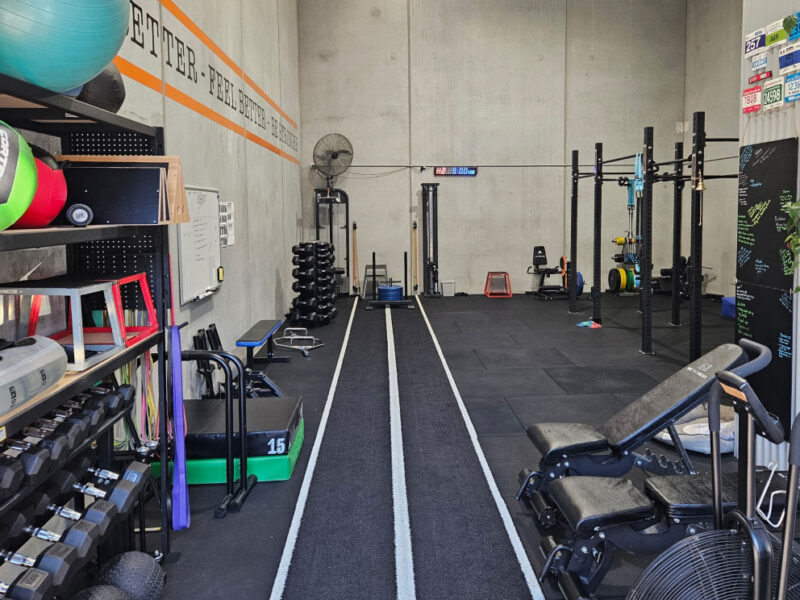
Physiotherapy-guided strength and gym-based rehabilitation to rebuild capacity after injury or support general physical performance.
Achilles tendinopathy is pain and load intolerance in the Achilles tendon, common in runners and people who've recently changed their training. Assessment focuses on how the tendon is currently tolerating load.
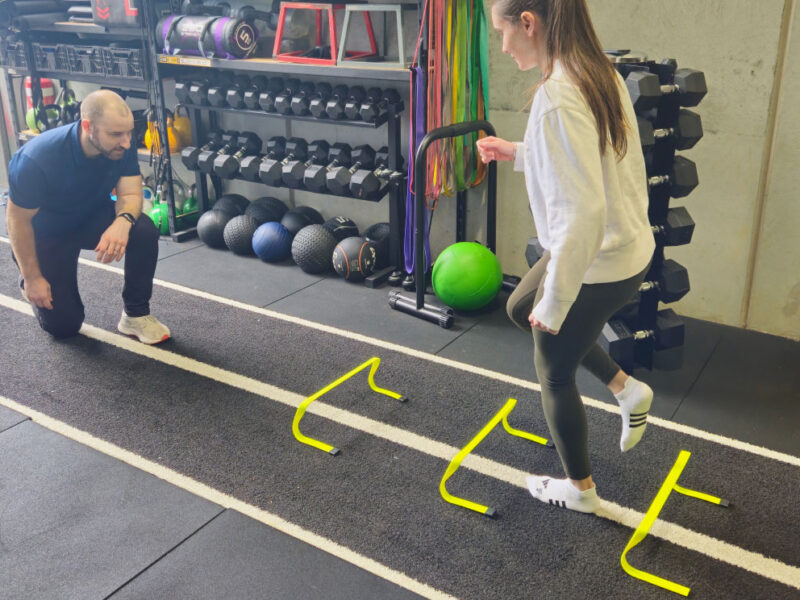
An ACL injury affects one of the ligaments that helps stabilise your knee, most often during pivoting, landing or change-of-direction movements in sport. Assessment and rehabilitation are built around your current knee function and goals, with a staged, individualised approach to returning to activity.
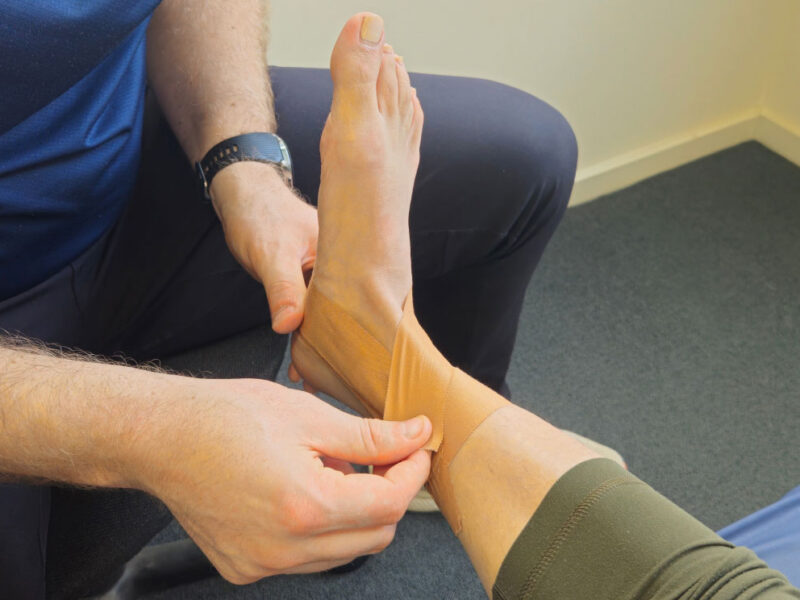
An ankle sprain is a common injury to the ligaments supporting the ankle, often occurring during sport or everyday activity. Assessment and structured rehabilitation support a safe return to activity.
A calf strain is an injury to the muscles at the back of the lower leg, common in running and sports involving sprinting or sudden acceleration. Rehabilitation supports recovery and a safe return to activity.
Foot and ankle pain covers a wide range of presentations, from pain that builds gradually with walking, running or standing, to a specific injury such as a sprain. Assessment starts with understanding what's actually driving your symptoms, whatever the pattern.
A groin or adductor strain is an injury to the muscles on the inside of the thigh, common in sports involving kicking, sprinting or rapid change of direction. Assessment and structured rehabilitation support a safe return to sport.
A hamstring strain is a common muscle injury, particularly in sports involving sprinting or rapid acceleration. Structured rehabilitation supports recovery and a safe return to sport.
Hip and groin pain covers a range of presentations, from gradual discomfort related to training load to a specific muscle strain. Assessment starts with understanding what's actually driving your symptoms, whatever the pattern.
A hip flexor strain is an injury to the muscles at the front of the hip, common in sprinting, kicking and sports involving rapid hip flexion. Structured rehabilitation supports recovery and a safe return to sport.
Knee osteoarthritis involves gradual changes to the knee joint that can cause pain and stiffness. Physiotherapy can help manage symptoms and support ongoing activity and function.
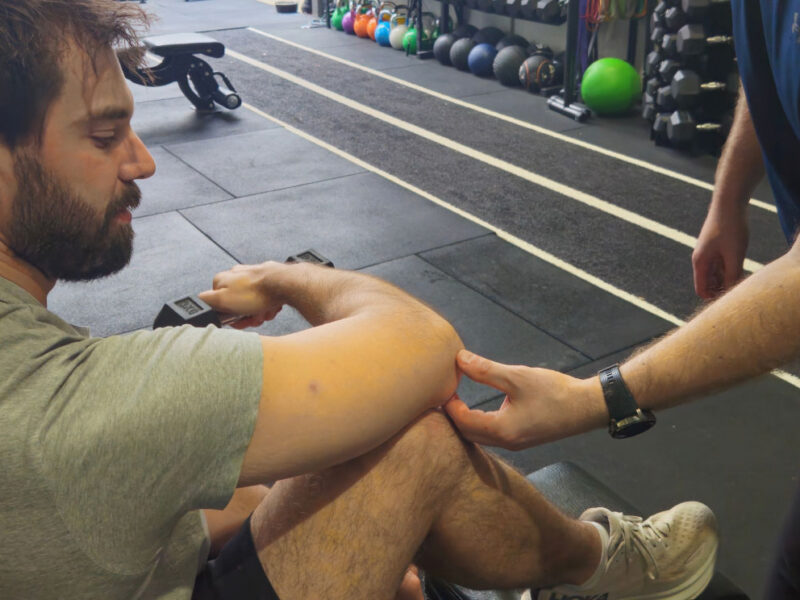
Knee pain is one of the most common reasons people see a physiotherapist, whether it's developed gradually or followed a specific incident. Assessment looks at what's actually driving your symptoms, so your care is built around your knee, not a generic protocol.
A meniscus injury affects the cartilage that cushions the knee joint, and can occur suddenly through twisting or develop gradually over time. Assessment helps clarify what's driving your symptoms and what management is appropriate.
Frozen shoulder involves progressive stiffness and restricted movement in the shoulder, which can develop gradually over time. Physiotherapy can help manage symptoms through each stage.
Back pain is extremely common, and most episodes settle with time and the right approach. Assessment helps clarify what's driving your symptoms and what — if anything — is likely to help, without assuming every case needs the same treatment.
Concussion is a functional brain injury that can follow a head knock in sport, a fall, or a collision during training. Assessment and rehabilitation are staged around your symptoms, with a structured, guideline-based approach to returning to sport.