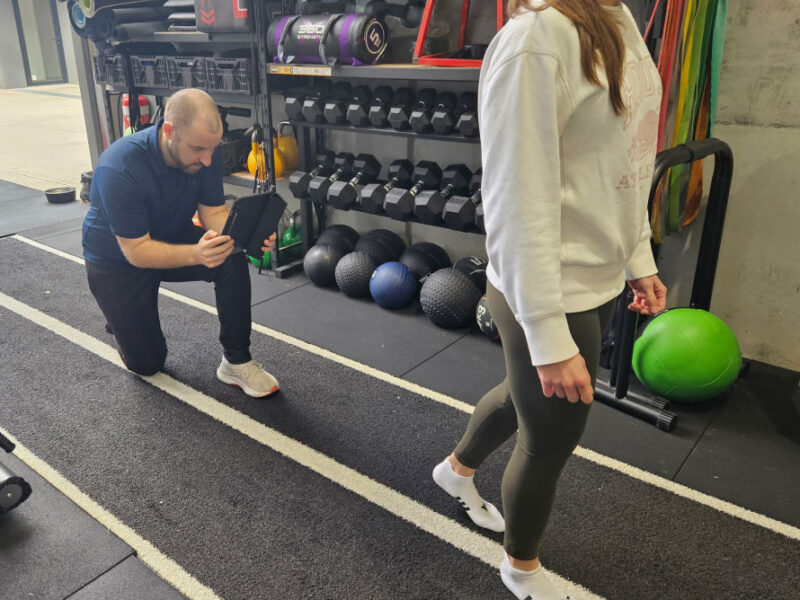
Plantar Fasciitis
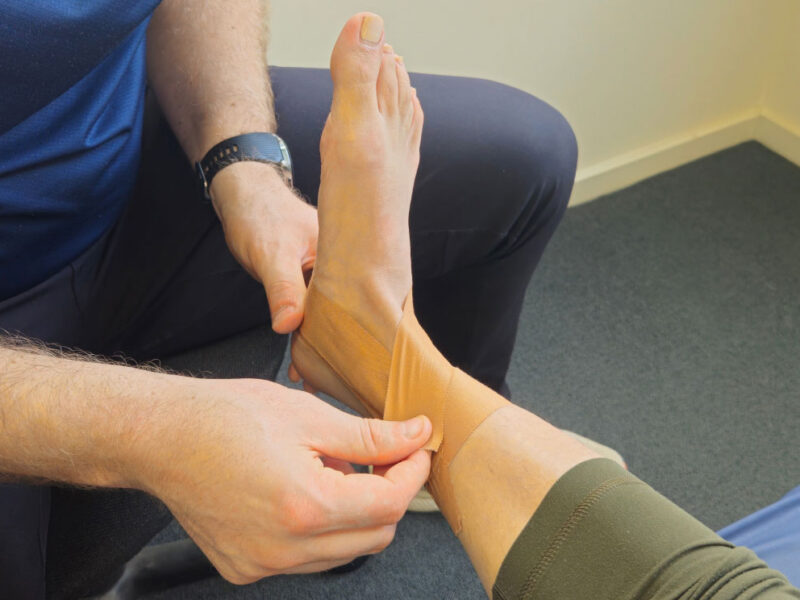
Plantar fasciitis is a common cause of heel pain, often noticed with the first steps in the morning or after standing or walking for extended periods. Assessment helps identify what's contributing to your symptoms.
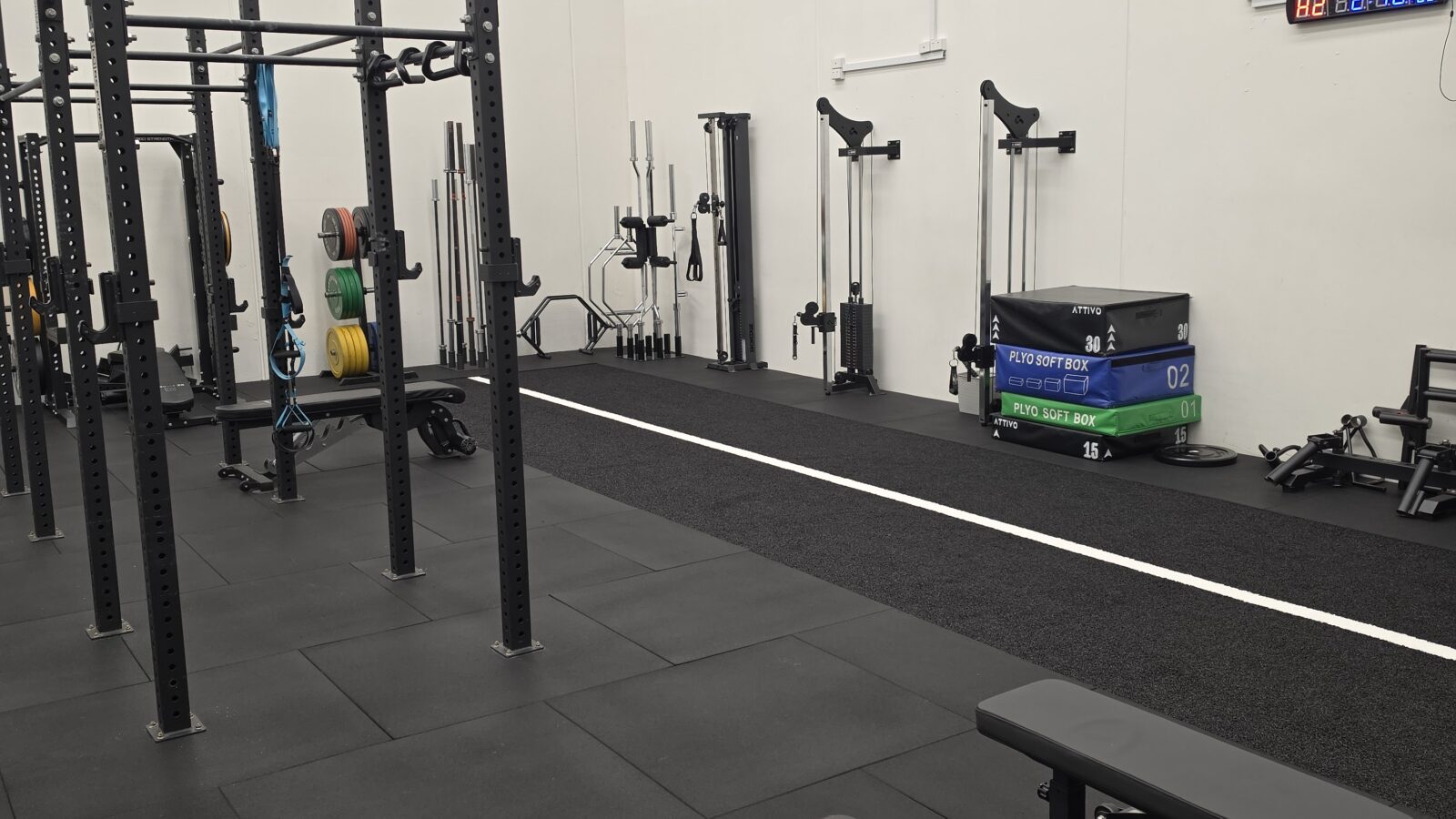
For athletes, runners and anyone wanting to move better, recover stronger and return to doing what they love. Based in Chirnside Park, we provide assessment-led physiotherapy built around your goals.
Whether you compete at club, state or elite level, returning to sport takes more than settling symptoms. We assess the demands of your sport and your position, then build rehabilitation around them — so the return is planned rather than guessed.
Many running injuries do not mean stopping altogether. We look at load, strength and running technique to identify what is driving the problem, and adjust your training alongside rehabilitation wherever that is appropriate.
Recovery after an ACL reconstruction or another significant injury is a staged process measured in months, not weeks. We work through those stages with you — restoring movement, rebuilding strength and progressing load — whether you are managing your injury surgically or non-surgically.
Staying active as life gets busier brings its own aches, niggles and setbacks. We help you understand what is happening, address contributing factors and build the strength to keep doing what you enjoy.
Plantar fasciitis is a common cause of heel pain, often noticed with the first steps in the morning or after standing or walking for extended periods. Assessment helps identify what's contributing to your symptoms.
A hamstring strain is a common muscle injury, particularly in sports involving sprinting or rapid acceleration. Structured rehabilitation supports recovery and a safe return to sport.
Shin splints refer to pain along the shin bone, commonly related to increases in running or training load. Assessment helps identify what's driving your symptoms and how to manage training safely.
An ankle sprain is a common injury to the ligaments supporting the ankle, often occurring during sport or everyday activity. Assessment and structured rehabilitation support a safe return to activity.
Knee osteoarthritis involves gradual changes to the knee joint that can cause pain and stiffness. Physiotherapy can help manage symptoms and support ongoing activity and function.
A meniscus injury affects the cartilage that cushions the knee joint, and can occur suddenly through twisting or develop gradually over time. Assessment helps clarify what's driving your symptoms and what management is appropriate.
Adapt Sports Physiotherapy is built around sport and physical activity. That focus shapes how we assess, how we plan rehabilitation, and how we judge whether it has worked — returning you to the activity itself, not only to being comfortable at rest.
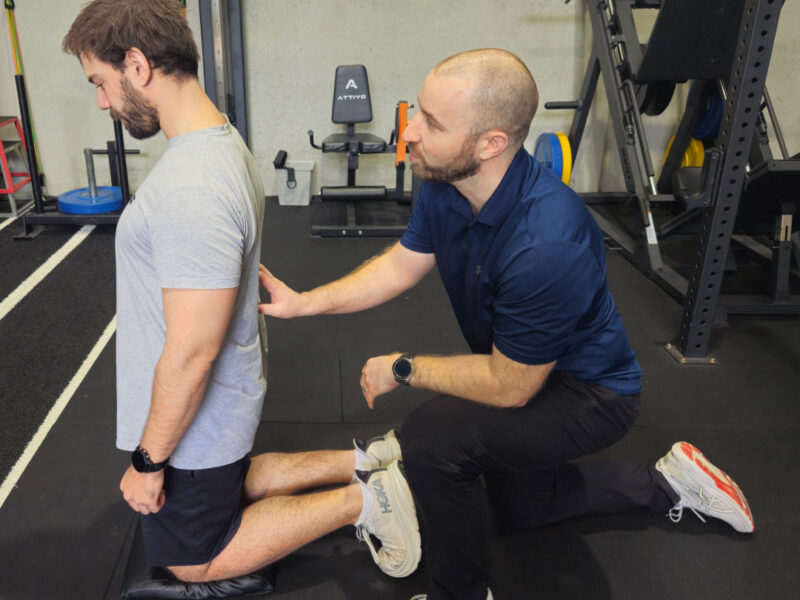
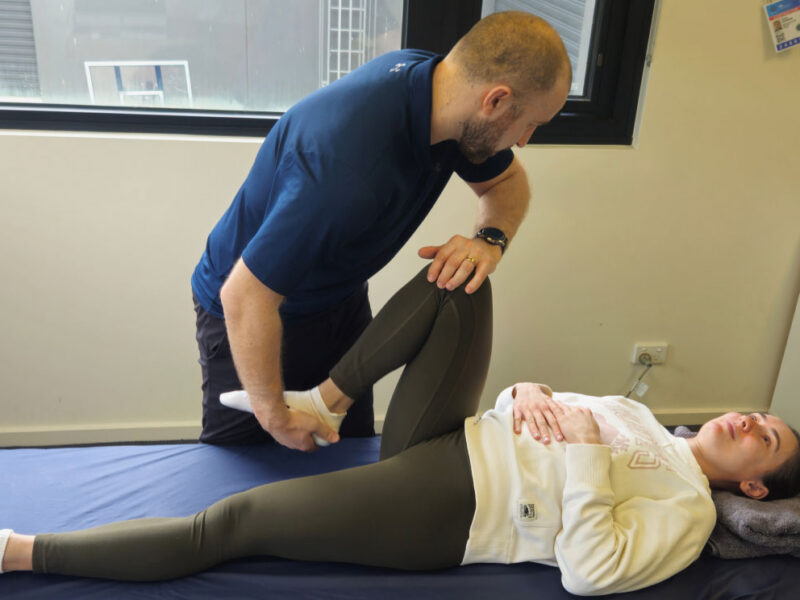
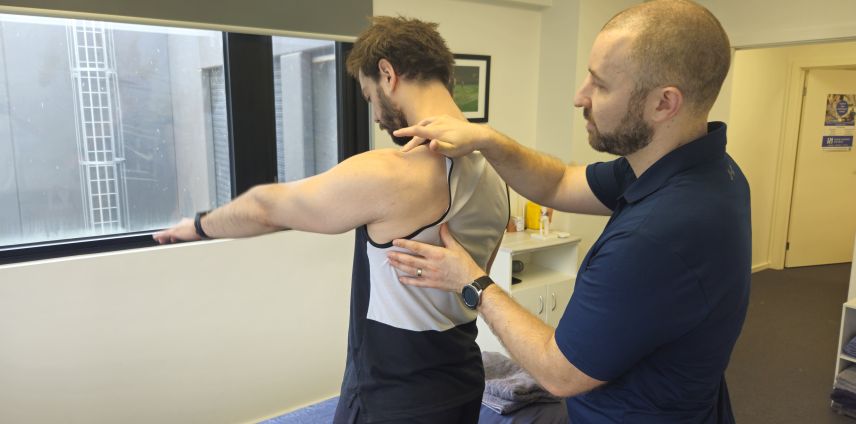
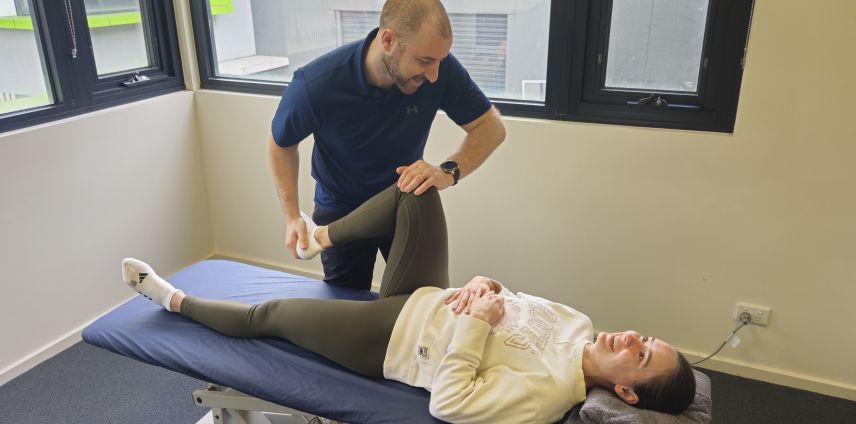
No two injuries present the same way, so no two plans are the same. Every appointment begins with a thorough assessment to identify what is driving your symptoms and what is contributing to them, and your plan is built from what that assessment finds.
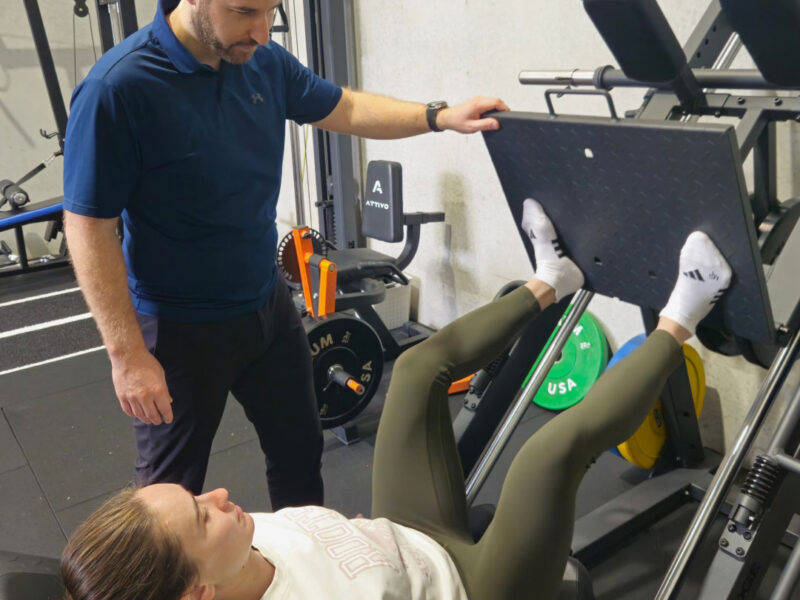
Hands-on treatment helps settle symptoms, but lasting change usually comes from progressive loading and strength work. Your program moves through those stages deliberately, with clear criteria for progressing rather than a fixed timeline.
Where it adds value, we use VALD ForceDecks and Dynamo technology to assess strength, movement capacity and side-to-side differences objectively. Measurable data helps guide rehabilitation decisions, track progress and support return-to-sport planning.
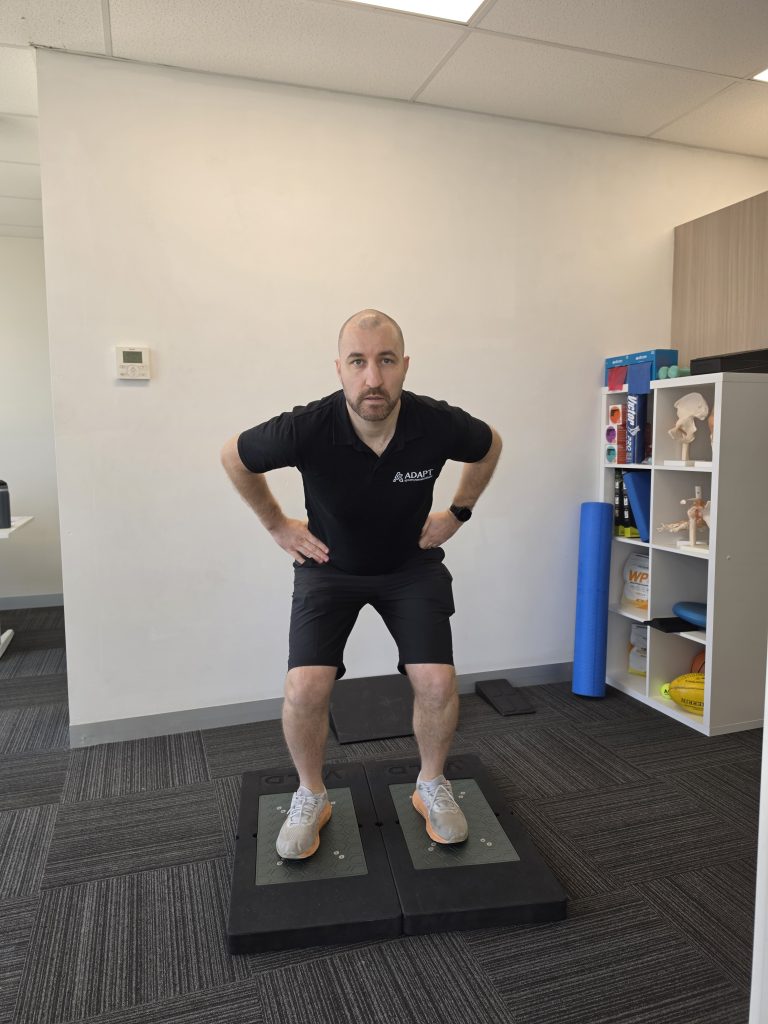
Adapt Sports Physiotherapy is a Chirnside Park clinic built around sport, movement and rehabilitation — assessment-led care for people who want to get back to training, competing, or simply moving well, with the time to assess properly and the structure to see rehabilitation through.
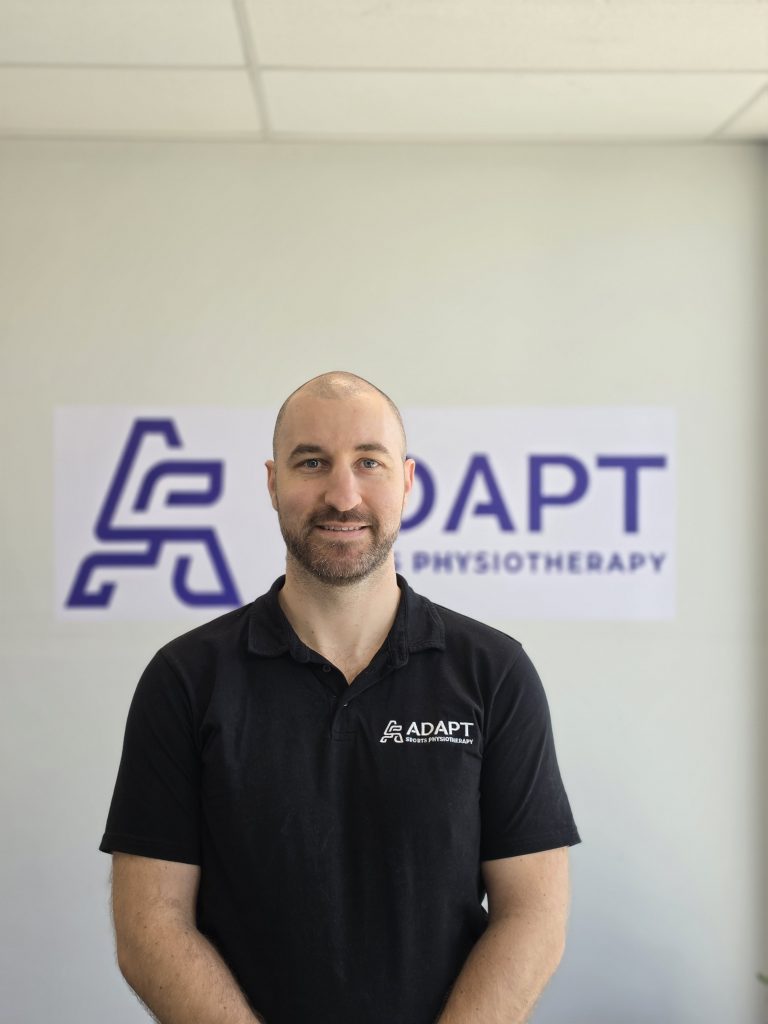
Ryan Harris leads the practice as a physiotherapist with a Doctor of Physiotherapy from Macquarie University — the same assessment-led, staged approach to rehabilitation runs through everything Adapt does.
We work with people across Chirnside Park, Croydon, Ringwood, Lilydale and Mooroolbark, from weekend runners to athletes managing significant injuries.
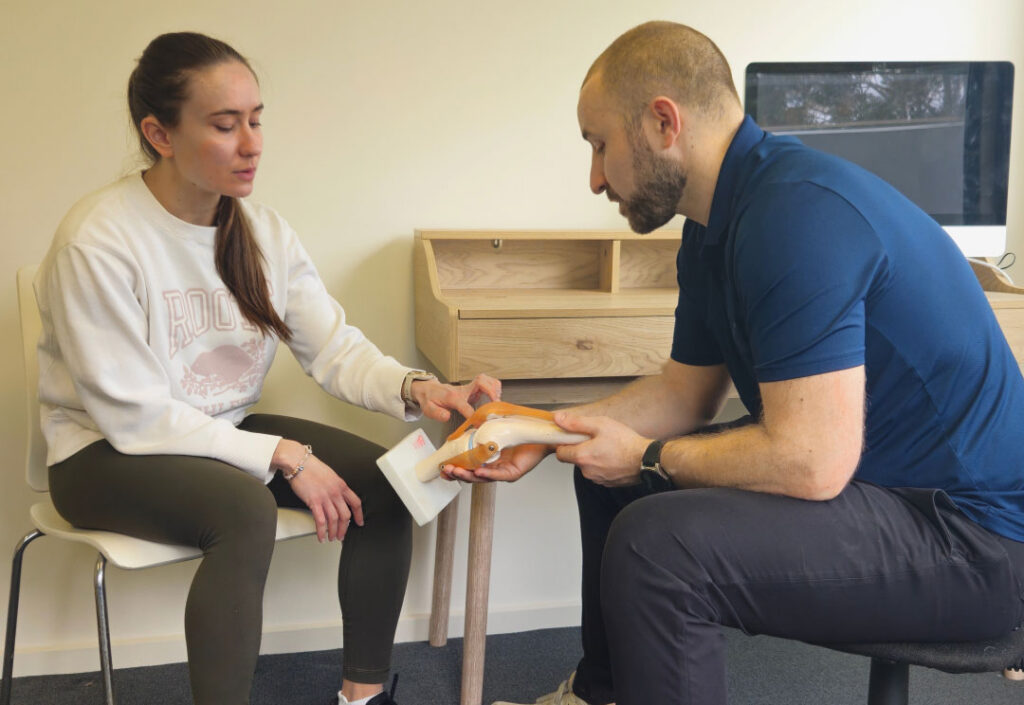
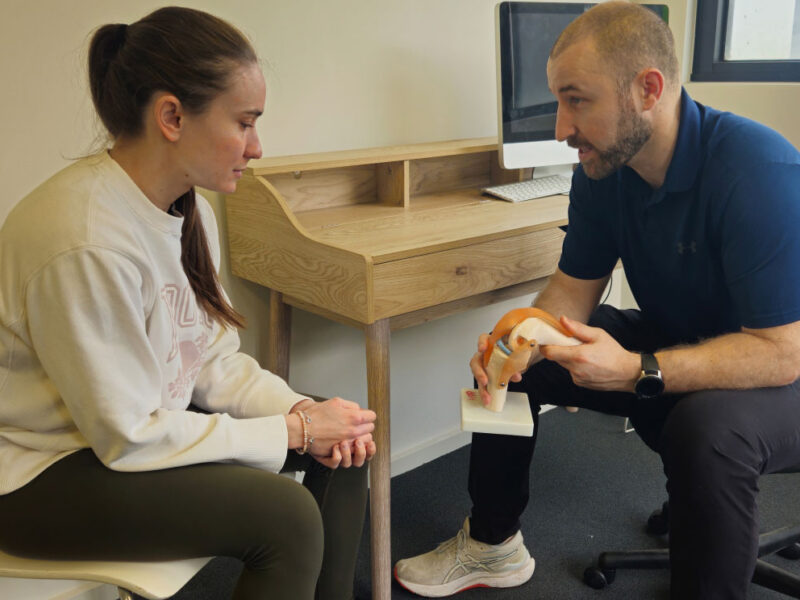
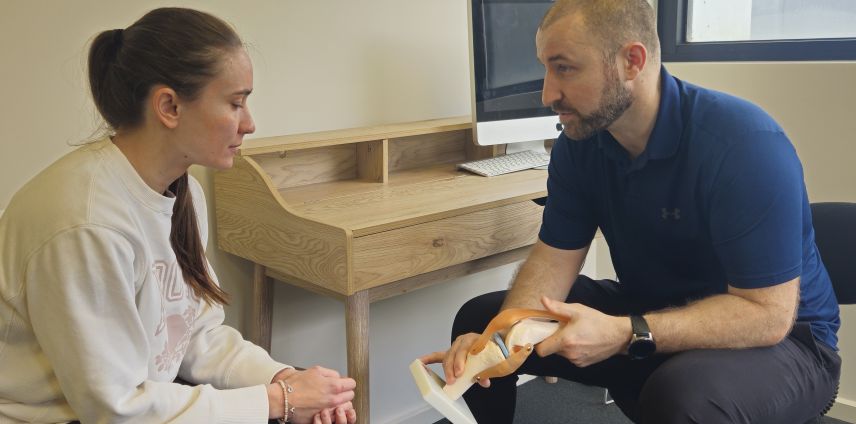
Your first appointment is a conversation as well as a physical assessment. We want to understand what happened, what you are trying to get back to, and what matters to you — because the goal shapes the plan.
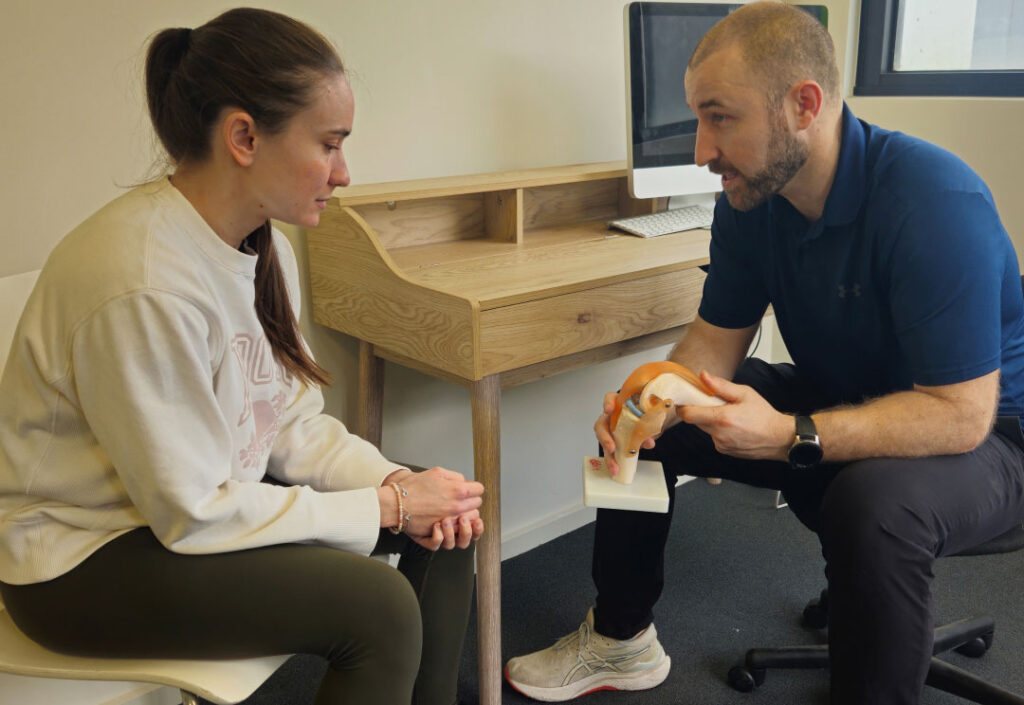
We explain what we have found in plain language, including what is driving your symptoms and what is contributing to them. From there we agree on a plan together, with a realistic picture of what the process involves.
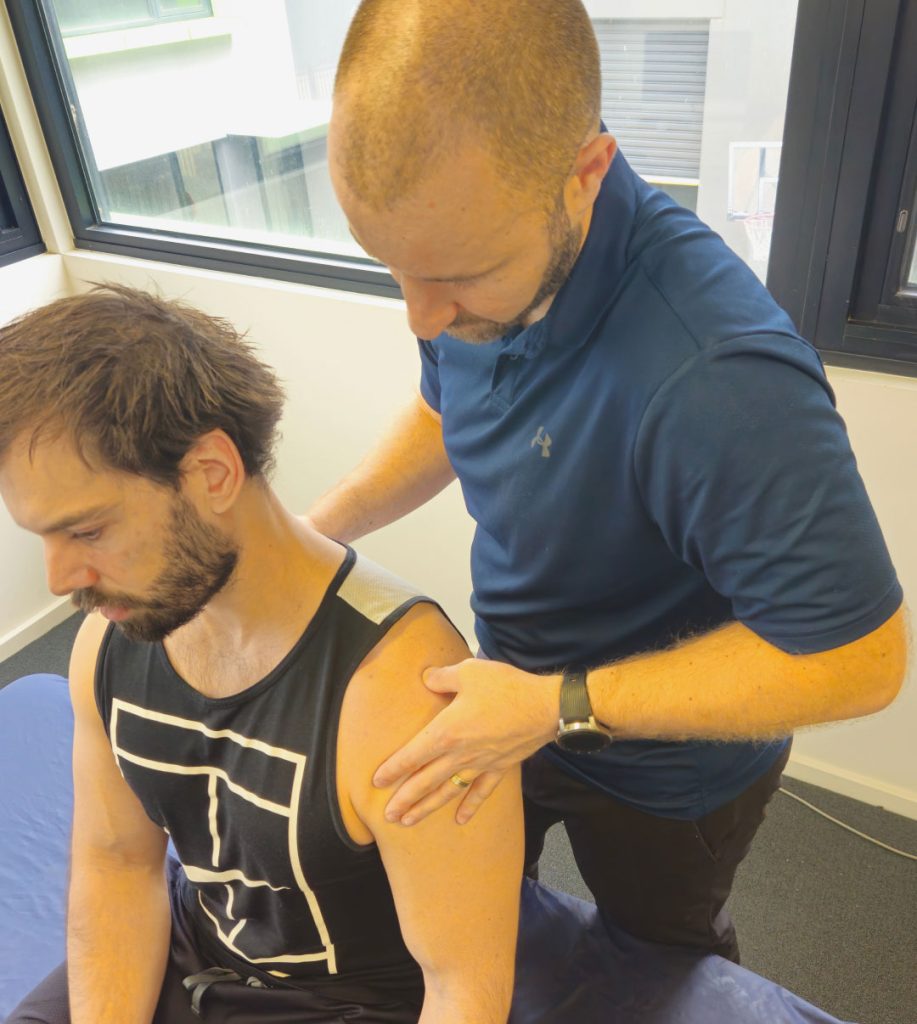
Treatment may include hands-on therapy, load management and education, but the core of most plans is progressive exercise. Your program is adjusted as you respond to it, rather than fixed at the first appointment.
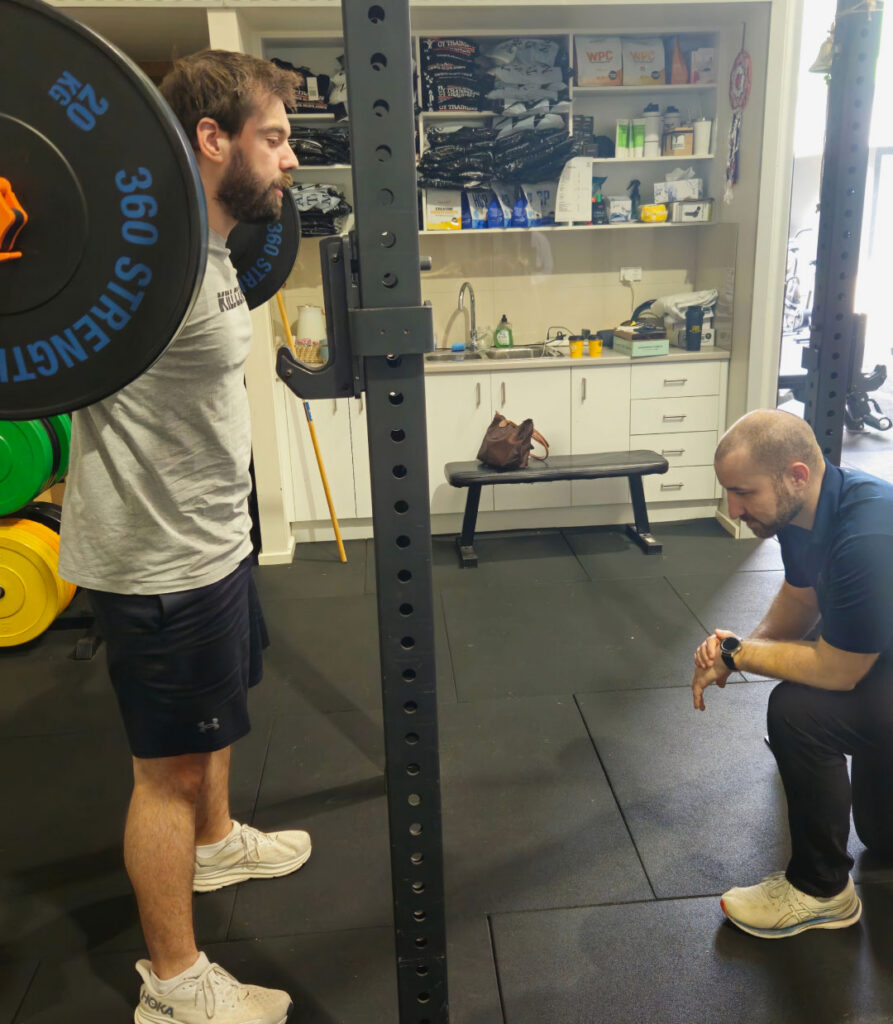
The final stage prepares you for the specific demands you are returning to. Where objective measures are available we use them, so the decision to return is based on how you are performing rather than on elapsed time alone.
Shoulder
Struggling with shoulder pain in Mooroolbark? Learn the most common causes — rotator cuff, impingement, AC joint and frozen shoulder — what may help, and when to see a physio. Serving Mooroolbark, Chirnside Park, Croydon, Lilydale and Ringwood.
Knee & ACL
Struggling with knee pain in Croydon? Learn the most common causes — patellofemoral pain, meniscus injuries, tendinopathy and ACL injuries — what may help, and when to see a physio. Serving Croydon, Chirnside Park, Mooroolbark, Lilydale and Ringwood.
Knee & ACL
Struggling with knee pain in Chirnside Park? Learn the most common causes — patellofemoral pain, meniscus injuries, tendinopathy and ACL injuries — what may help, and when to see a physio. Serving Chirnside Park, Croydon, Lilydale, Mooroolbark and Ringwood.
No — you can book directly with us, whether you’re managing a niggle, a specific injury, or want an assessment before returning to training. If you’re claiming through a Medicare plan, WorkCover or a TAC claim, bring your referral or claim details with you.
No — we see active people at every level: runners, gym-goers, weekend sport players, athletes, and anyone getting back into training after time off. What matters isn’t your level of competition, it’s a goal that an injury is currently getting in the way of.
An initial consultation is $160, and a follow-up consultation is $140 (both 30 minutes). A 1-hour appointment is available on request. Private health rebates are available if you hold extras cover that includes physiotherapy — check with your fund for your specific rebate amount.
Adapt Sports Physiotherapy
3 Belmike CloseFree parking is available out the front.
Look for the A-frame sign at the street entrance and the signage on our front door — the waiting room is upstairs, so just come on up when you arrive.
There is one flight of stairs to reach us, with no lift available.