
Knee Pain
Knee pain is one of the most common reasons people see a physiotherapist, whether it's developed gradually or followed a specific incident. Assessment looks at what's actually driving your symptoms, so your care is built around your knee, not a generic protocol.
30-minute appointments as standard · No referral required
What is Knee Pain?
Knee pain is one of the most common reasons people see a physiotherapist, ranging from a dull ache during activity to pain that limits movement. It can develop gradually through training load, movement patterns or everyday activity, or follow a specific incident — and the right approach depends on which of these is actually happening.
Not all knee pain needs the same kind of attention. A specific traumatic injury, such as an ACL injury, is assessed and managed differently to pain that’s built up gradually. This page covers general knee pain; if you’ve experienced a specific traumatic injury, our dedicated ACL Injury page may be more relevant to your situation.
This can include pain around the kneecap during activities like squatting or stairs, general stiffness, or discomfort following changes in training load.
How We Assess Knee Pain
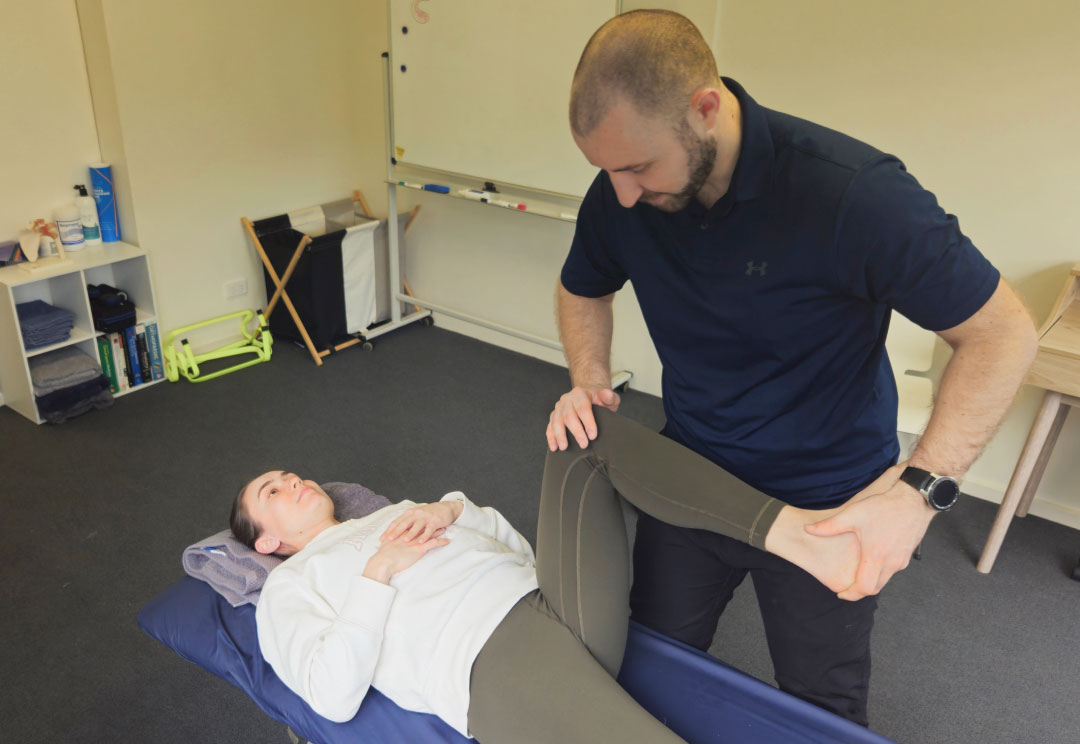
Assessment starts with understanding how your pain developed, what makes it better or worse, and what you’re trying to get back to — whether that’s sport, exercise, or simply moving comfortably day to day.
We assess knee movement, strength, alignment and control, alongside how your knee responds to load, to build a clear picture of what’s driving your symptoms.
What to expect: Your assessment will usually involve discussing your symptoms, understanding how they affect your activity, assessing knee movement and strength, and developing a plan based on your goals.
Treatment and Rehabilitation Approach
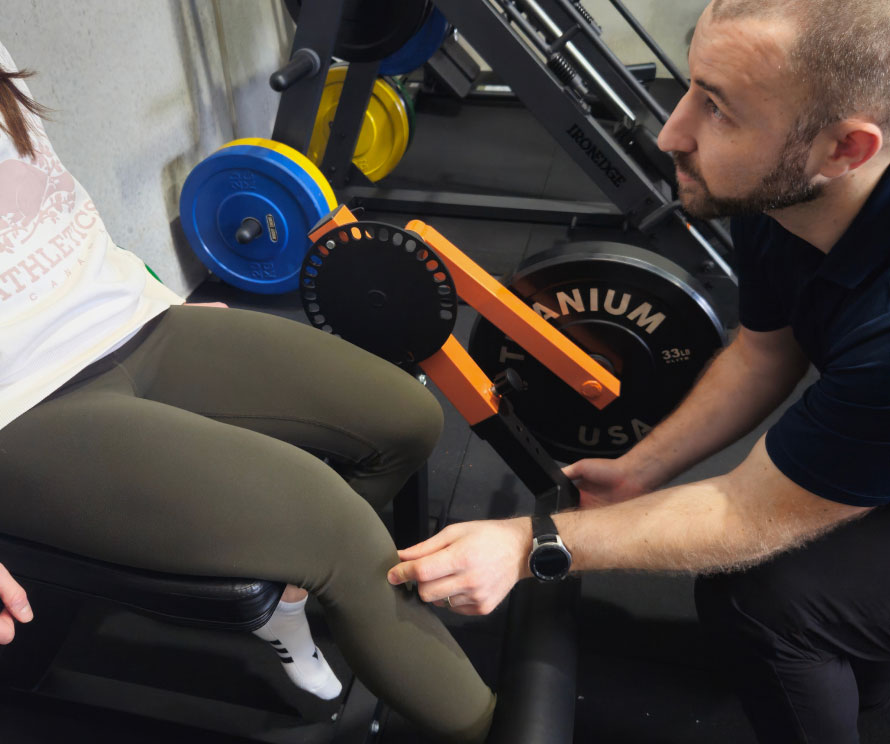
Treatment is guided by what the assessment finds, rather than a standard program applied regardless of presentation. This often includes hands-on treatment, targeted strengthening, and guidance on managing the load through your knee.
For people training or playing sport, this sits within our wider sports physiotherapy approach.
Looking for help with Knee Pain?
An assessment can help identify the factors contributing to your symptoms and guide the next steps.
Symptoms
Pain with specific movements
Pain during activities such as squatting, climbing stairs or running can point to a specific pattern worth assessing.
Swelling
Swelling around the knee, whether sudden or gradual, is a sign worth having assessed.
Reduced confidence with load-bearing activity
Some people notice their knee feels less reliable during activities that load it, such as running or changing direction.
Causes and Risk Factors
Training load changes
A rapid increase in activity, training volume or intensity can outpace what the knee is currently able to tolerate.
Movement and control
How the knee, hip and ankle work together during movement can influence the load placed on the joint.
Previous injury
A prior knee injury can change how the joint is loaded and managed over time.
Return-to-Sport Considerations
Rebuild strength and control
Progressive strengthening helps rebuild the capacity your knee needs for daily activity, exercise or sport.
Return to load gradually
Activity is reintroduced in stages, guided by how your knee responds rather than a fixed timeframe.
Return to sport-specific demands
For people returning to sport, training and match demands are built back in progressively as part of a staged plan.
Frequently Asked Questions
Is knee pain always related to a specific injury?
No. Knee pain can develop gradually through training load, movement patterns or everyday activity, as well as follow a specific injury. An assessment helps identify which applies to you.
Do I need a scan for knee pain?
Imaging is not required for most knee pain. It’s considered when the result would change how your knee is managed, and that’s discussed with you at assessment.
How is knee pain different from an ACL injury?
An ACL injury is a specific ligament injury, usually from a traumatic event such as a pivot or landing. General knee pain more often develops gradually and has a different assessment and management approach. Our ACL Injury page may be more relevant if this sounds like your situation.
Can I keep exercising with knee pain?
Often yes, depending on the cause and severity. Many people continue some form of activity while their knee pain is being managed — your physiotherapist can guide you on what’s appropriate.
Clinically reviewed by Ryan Harris on 06/08/2026