
Sports Physiotherapy in Chirnside Park
Sports physiotherapy applies physiotherapy assessment and treatment to the specific demands of training, sport and exercise. Whether you're managing an injury, returning after time away, or working to reduce your risk of one, your care is built around what your training actually requires.
30-minute appointments as standard · No referral required
What Sports Physiotherapy Looks Like at Adapt
Training and sport place different demands on the body than everyday life, and treatment that ignores that gap rarely gets you back to full performance. Adapt Sports Physiotherapy’s sports physiotherapy service in Chirnside Park is built around what your sport actually requires, whether you’re managing an injury, returning after time away, or working to reduce your risk of one.
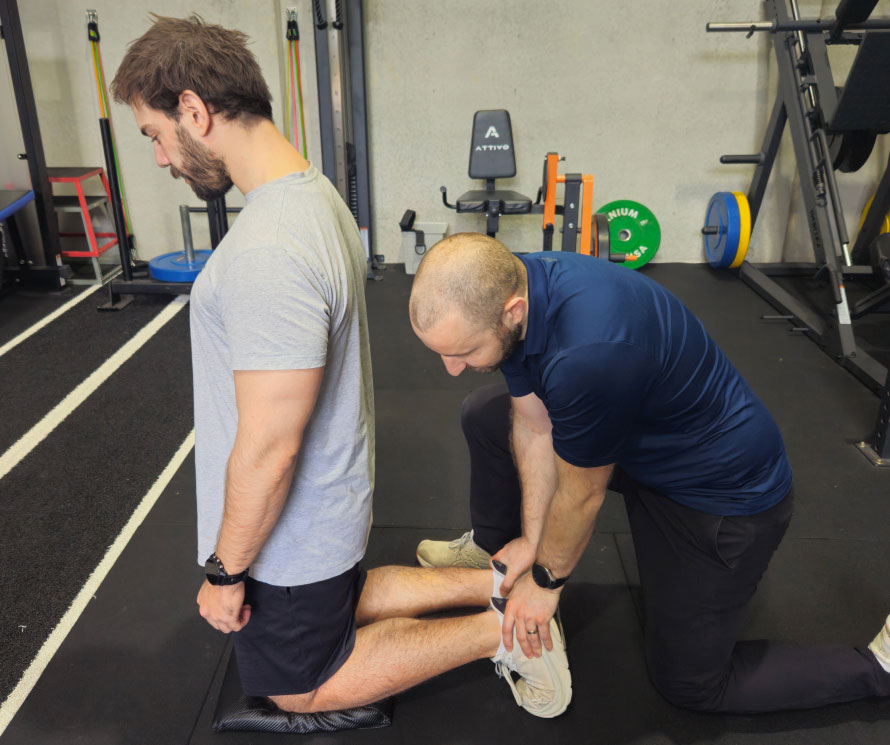
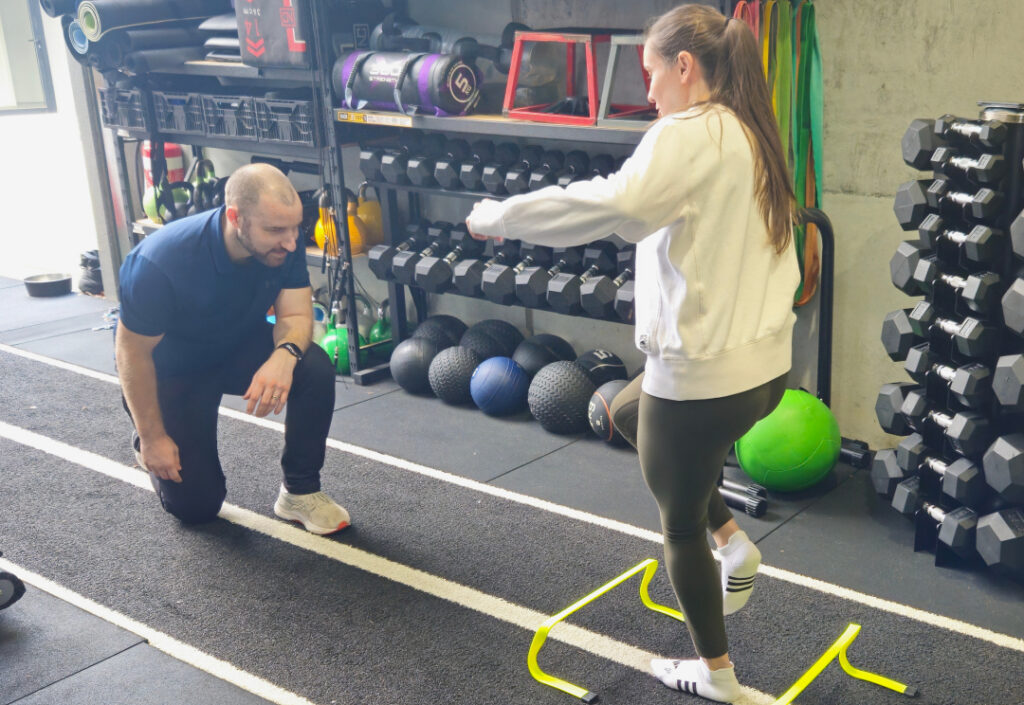
The focus is on understanding what your training or sport actually asks of your body, and building a plan around that, rather than treating symptoms in isolation. Where objective assessment adds useful information — movement quality, strength, or how one side compares with the other — it’s used to inform the plan, not as a standalone service.
Who It Helps
- People training or competing in a sport, at any level, looking to manage or prevent an injury without stepping away from what they do.
- People recovering from a sport or training-related injury, including presentations like running injuries or an ACL injury, where a staged return matters as much as the initial treatment.
- People returning to exercise or sport after a break, whether from injury, surgery or time away from regular activity.
- People wanting guidance on training load or preparation, to reduce the chance of an injury occurring in the first place.
Our Approach
Assessment starts with your training or sport history — what you do, how often, and what has changed recently — alongside your current symptoms and goals. From there, movement, strength and control are assessed to build a clear picture of what’s actually happening.
Your plan is built around your training demands specifically, not a generic protocol. Strength and load are progressed in line with your capacity, and a return to training or sport is planned in stages rather than left to guesswork. This is the same individualised approach that underpins care across every condition and injury type seen at Adapt, including the more staged pathways that follow ACL reconstruction or a significant running injury.
Benefits
- A clearer understanding of what’s driving your symptoms, rather than guesswork.
- A plan built around your training or sport, not a generic template.
- Progressive return to training or competition, paced to match your current capacity.
- Ongoing review and adjustment as your capacity changes.
Ready to take the next step?
Book an assessment with Adapt Sports Physiotherapy to better understand your symptoms and develop a plan suited to your goals.
Frequently Asked Questions
Do I need to be a competitive athlete to see a sports physiotherapist?
No. Sports physiotherapy applies to anyone active in training, exercise or sport, at any level — not only competitive athletes.
Do I need a referral to book?
You don’t need a referral to see a physiotherapist directly. A referral may still be relevant for a specific funding pathway, such as a GP Management Plan — speak to your GP if you’re unsure which applies to you.
How is sports physiotherapy different from general physiotherapy?
The assessment and treatment principles are shared. Sports physiotherapy places more emphasis on the specific demands of your training or sport, and on a structured, staged return to that activity.
What should I bring to my first appointment?
Comfortable clothing you can move in, and any relevant scans, reports or referral letters you already have. If you’re not sure what’s relevant, bring what you have and we’ll go through it together.
Do you treat junior or teenage athletes?
Yes. We see junior and teenage athletes as part of our sports physiotherapy caseload. Growing athletes present differently from adults, so assessment and treatment are adapted accordingly for a still-developing body.
Clinically reviewed by Ryan Harris on 09/08/2026