
Knee Osteoarthritis
Knee osteoarthritis involves gradual changes to the knee joint that can cause pain and stiffness. Physiotherapy can help manage symptoms and support ongoing activity and function.
30-minute appointments as standard · No referral required
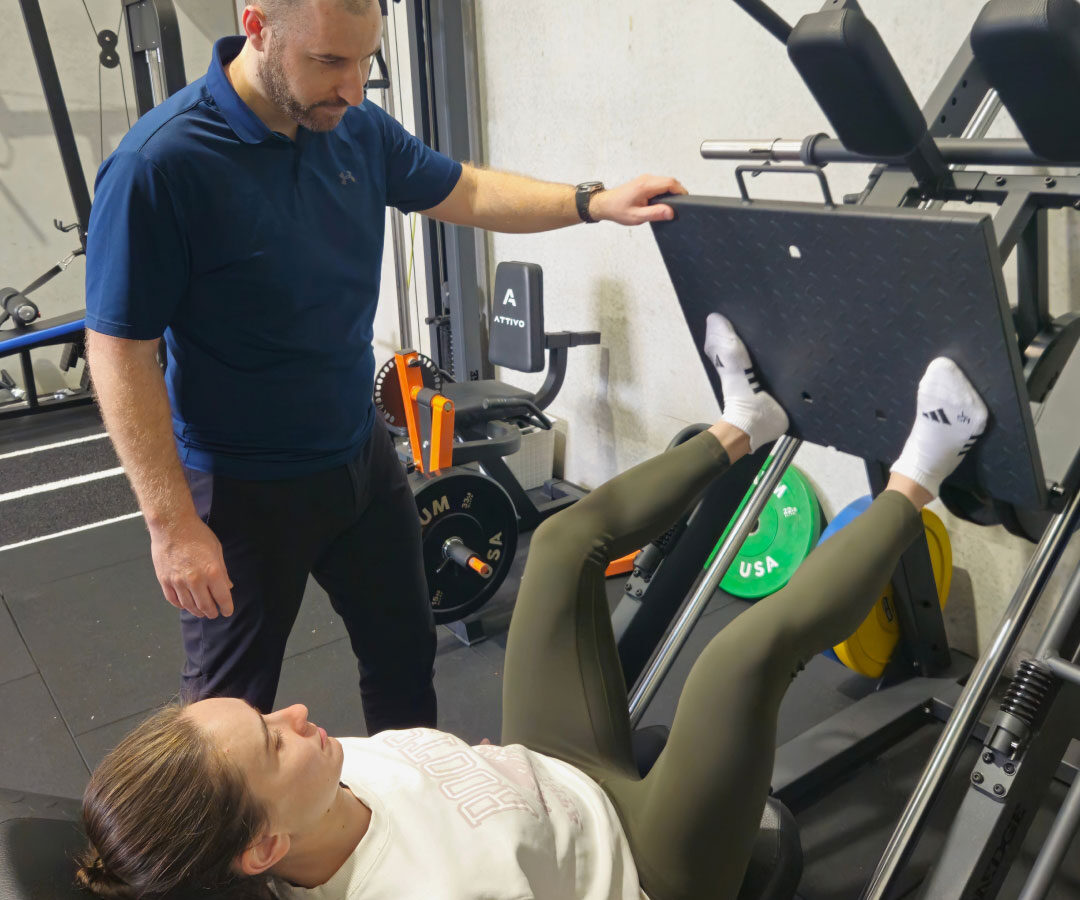
What is Knee Osteoarthritis?
Knee osteoarthritis refers to gradual changes in the knee joint, commonly associated with pain, stiffness and sometimes swelling. It’s a common condition, particularly as people get older, though activity level, strength and previous injury history can all play a role.
This can include stiffness that’s worse first thing in the morning or after sitting, pain with activities like walking, stairs or standing from a chair, or a general ache around the knee. Symptoms often vary day to day rather than being constant.
How We Assess Knee Osteoarthritis
Assessment includes understanding your symptoms, how they affect your daily activities, and your goals — whether that’s staying active, managing pain, or maintaining independence.
We assess knee movement, strength and function, to understand how osteoarthritis is currently affecting you and to build a plan around your specific presentation. Imaging isn’t required to diagnose knee osteoarthritis or to start treatment — quadriceps strength in particular is one of the most modifiable factors in how the knee feels and functions, which is why it’s a specific focus of assessment.
Treatment and Rehabilitation Approach
Management is centred on staying active and maintaining strength, rather than avoiding movement, and often combines education, targeted exercise and guidance on managing symptoms day to day.
This sits within our broader knee pain and physiotherapy approach, focused on supporting function and activity levels.
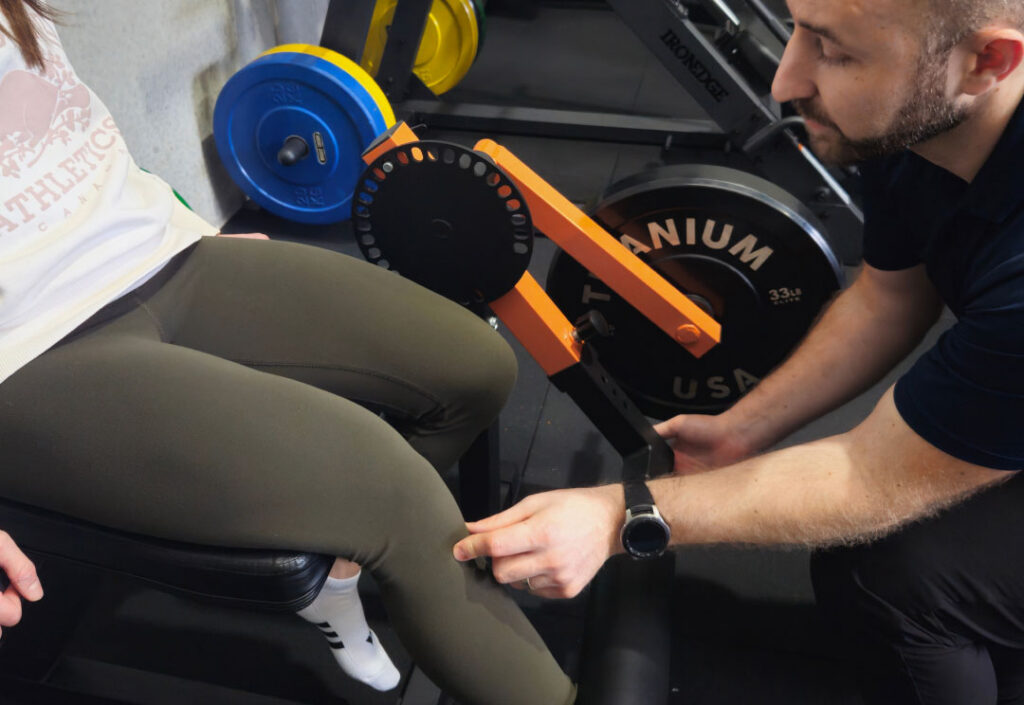
Looking for help with Knee Osteoarthritis?
An assessment can help identify the factors contributing to your symptoms and guide the next steps.
Symptoms
Stiffness
Often more noticeable first thing in the morning or after periods of sitting.
Pain with activity
Commonly felt with walking, stairs, or standing from a seated position.
Variability day to day
Symptoms often fluctuate rather than being constant, which is a common feature rather than a cause for concern.
Causes and Risk Factors
Gradual joint changes over time
Osteoarthritis develops gradually and is influenced by a range of factors, not a single cause.
Strength and movement factors
Muscle strength and movement patterns around the knee can influence how symptoms are experienced.
Previous knee injury
A prior knee injury can be associated with the development of osteoarthritis over time.
Return-to-Sport Considerations
Stay as active as appropriate
Maintaining activity, rather than avoiding it, generally supports knee function and overall wellbeing.
Build and maintain strength
Progressive strengthening supports the knee joint and can help manage symptoms over time.
Adapt activity where needed
Activity is adjusted where appropriate, guided by your symptoms and goals, rather than stopped altogether.
Frequently Asked Questions
Does osteoarthritis mean I have to stop exercising?
No. Staying active is generally encouraged and can help manage symptoms — your physiotherapist can guide you on what’s appropriate for your knee.
Do I need a scan to confirm osteoarthritis?
Imaging isn’t always required to guide management, and symptoms don’t always correlate closely with imaging findings. This is discussed with you at assessment.
Will knee osteoarthritis get worse over time?
This varies between individuals. Staying active, maintaining strength and managing symptoms can support your knee over the longer term.
Can physiotherapy help with knee osteoarthritis?
Physiotherapy can help with managing symptoms, maintaining function and staying active — your specific plan depends on your assessment.
Clinically reviewed by Ryan Harris on 18/08/2026