
Sports Physiotherapy in Chirnside Park: What to Expect
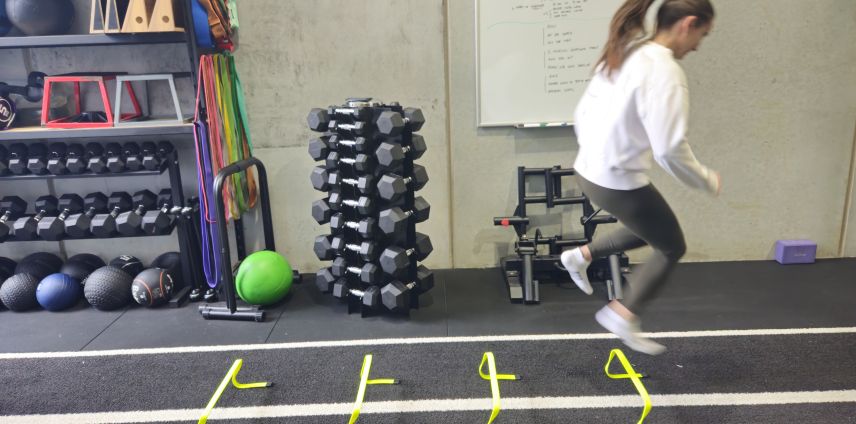
Sport is part of everyday life in Chirnside Park — from weekend warriors hitting the gym to footballers, runners, cyclists and swimmers competing at higher levels. But with regular training comes the risk of injury, and that’s where sports physiotherapy plays an important role.
At Adapt Sports Physiotherapy, we work with local athletes across Chirnside Park, Croydon, Lilydale and Ringwood to keep them training, recovering and performing at their best. For Croydon athletes specifically, our sports physio Croydon guide covers what to expect from assessment and rehabilitation.
What is Sports Physiotherapy?
Sports physiotherapy goes beyond just treating pain. It’s about understanding the demands of your sport, preventing injuries before they happen, and guiding your recovery when you do get hurt. A good sports physio looks at the whole picture — the injury itself, the contributing factors, your training load, and your performance goals.
At our Chirnside Park clinic, we see athletes across a wide range of sports and fitness activities, including:
- Australian Rules football and soccer
- Netball and basketball
- Running — road, trail and track
- CrossFit and gym-based training
- Swimming, cycling and triathlon
- Tennis, cricket and contact sports
Common Sports Injuries We Treat
The injuries we see most frequently reflect the active community in Chirnside Park and surrounding suburbs — gym-goers, footballers, runners, and court sport athletes, most in their 30s and 40s, who want to stay training rather than sit on the sideline. Common presentations include:
- Shoulder pain from gym training, swimming or throwing sports
- Running-related injuries like shin splints, Achilles tendinopathy and plantar fasciitis
- Knee pain including patellofemoral pain, meniscus injuries and ACL injuries
- Back pain from lifting, contact sports or repetitive strain
- Ankle sprains from football, netball and court sports
- Hamstring strains from sprinting and explosive movements
No two presentations are the same. Two athletes with identical symptoms can have completely different underlying drivers — which is why individualised assessment matters more than a generic treatment approach.
How Sports Physio Helps
Our approach at Adapt Sports Physiotherapy is tailored to your sport and your goals. Treatment may include:
- Hands-on therapy to reduce pain and stiffness
- Exercise rehabilitation to restore strength and mobility
- Load management advice for training and recovery
- Return-to-play planning and testing to ensure you’re ready before going back
- Movement analysis to identify technique issues contributing to injury
By combining treatment with performance-focused rehabilitation, we make sure you don’t just get back on the field — you get back stronger.
ACL and Knee Rehabilitation — A Clinical Focus
One area we focus on particularly at Adapt Sports Physiotherapy is ACL rehabilitation and knee injury management. ACL injuries are among the most significant a footballer, basketballer, or gym-goer can sustain — and the quality of rehabilitation has a major bearing on outcomes, including re-injury risk on return to sport.
We work with athletes through every stage of ACL recovery, from initial post-injury assessment through to criteria-based return to sport. Our minimum timeline for unrestricted return following ACL reconstruction is 9–12 months — not an arbitrary number, but a threshold supported by the evidence on re-injury rates and graft maturation.
To support this process, we use VALD ForceDecks force plates and the VALD DynaMo handheld dynamometer to measure limb symmetry and strength objectively at key rehabilitation milestones. This removes guesswork from return-to-sport decisions and gives athletes, coaches, and families clear data about physical readiness — not just the feel of the athlete or the time elapsed since surgery.
What to Expect at Your First Appointment
Your first session at Adapt Sports Physiotherapy is 30 minutes. In that time, we aim to give you a clear picture of what’s going on — not just a vague sense of “it’s probably this”.
We start with a thorough history: how your injury came on, what aggravates it, what you’ve already tried, and — critically — what you’re trying to get back to. We want to know your sport, your training schedule, and your goals. That context shapes how we assess and manage your injury.
From there we move into a physical examination: movement testing, load testing, palpation, and neurological screening where indicated. Where objective strength data would help — particularly for knee and ACL complaints — we use VALD ForceDecks force plates and the VALD DynaMo dynamometer to capture baseline measurements.
By the end of your first session, you’ll have a working diagnosis, a clear explanation of what’s driving your symptoms, and an initial management plan. You won’t leave with a sheet of generic exercises and a vague instruction to “take it easy” — you’ll leave knowing what you’re doing and why.
Working With Local Athletes
We work with athletes across football, netball, running, CrossFit and endurance sports. Whether you’re training for fun or aiming for the next level, our role is to:
- Identify movement issues that could lead to injury
- Build sport-specific strength and conditioning
- Support you through preseason, in-season and post-season
- Guide your return to sport after injury with confidence
Why Choose a Local Sports Physio in Chirnside Park?
Injury rehabilitation is a journey, and having a physio close by makes the process easier. Local athletes at Adapt Sports Physiotherapy benefit from:
- Convenient appointments around training schedules — early mornings, evenings and Saturdays available
- Ongoing support to adapt your rehab as your season progresses
- A physio who understands the demands of your sport and the local club environment
- Free on-site parking at our Chirnside Park clinic
Frequently Asked Questions
What’s the difference between a physio and a sports physio?
A sports physiotherapist has training and experience focused on sports and exercise-related injuries, including load management, performance rehabilitation and return-to-sport planning. At Adapt Sports Physiotherapy, all our work is grounded in a sports physio approach — understanding your sport and your goals, not just treating the injury in isolation. (General information only.)
Do I need a referral to see a sports physio?
No referral is needed to book at Adapt Sports Physiotherapy. You can book directly online or by phone. (General information only.)
Can I keep training while seeing a physio?
In most cases, yes — with appropriate modifications. Completely stopping training is rarely the best approach and may slow your recovery. We work with you to modify load, technique or exercise selection so you can keep moving while your injury settles. (General information only.)
How long does sports injury rehabilitation take?
This depends on the nature and severity of the injury, how your body responds, and how consistently you follow your rehab program. Minor soft tissue injuries may resolve in a few weeks; more complex injuries like ACL reconstructions can take 9–12 months. We’ll give you realistic expectations at your assessment. (General information only.)
Do you work with juniors and youth athletes?
Yes. We see athletes of all ages, including junior and youth athletes. Growing athletes present differently from adults and require age-appropriate assessment and rehabilitation approaches. (General information only.)
Do I need to be a competitive athlete to see a sports physio?
No — our patients include everyone from competitive club athletes to people who train recreationally or simply want to stay active. If you exercise regularly and want an approach that accounts for your training and movement goals, sports physiotherapy is appropriate. (General information only.)
For specific injury guides, see our posts on ACL rehabilitation, knee pain, running injuries, and preseason injury prevention. For patients in the eastern suburbs dealing with neck pain, see our neck pain in Lilydale guide.