
Concussion Physio Advice: What to Do After a Head Knock
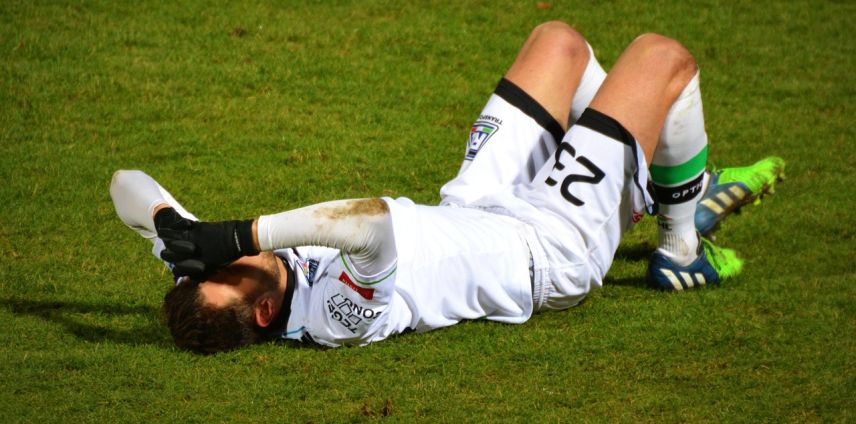
Whether it’s from a head knock during footy, a fall at home, or an awkward collision at the gym — concussions can happen in a split second. But the effects often linger much longer, and how you manage the early stages matters enormously.
At our clinic in Chirnside Park, we’re seeing more athletes, parents, and everyday people needing support after a concussion. The tricky part? Not all concussions are the same, and not everyone recovers the same way. Here’s what to do — and what not to do — if you or someone close to you has had a head knock.
Step 1: Recognise the Signs Early
Symptoms may show up straight away or build over the first 24–48 hours. Some of the most common include:
- Headache or pressure in the head
- Dizziness or balance issues
- Blurred vision or light sensitivity
- Feeling foggy or mentally slow
- Difficulty concentrating
- Nausea or feeling off
- Fatigue or sleep changes
- Mood swings or feeling emotionally flat
If any of these are present — even mildly — treat it seriously. You don’t need to be knocked unconscious to have a concussion.
Step 2: Rest — But Not Too Much
The old advice was to rest in a dark room for days. We now know that approach is outdated. Gentle activity and gradual exposure to light, noise, and movement produces better recovery outcomes than strict rest.
Do:
- Limit screen time for the first 1–2 days
- Avoid contact sport and heavy training
- Go for short walks and gradually increase daily activity as symptoms allow
Don’t:
- Push through symptoms — if activity increases your headache or dizziness, pull back
- Return to contact sport within a few days regardless of how you feel
- Skip assessment or assume it’ll go away on its own
Step 3: Get Assessed
A proper concussion assessment helps confirm the diagnosis, track your recovery, and guide return-to-work or return-to-sport decisions. It also identifies any red flags or risk of delayed symptoms that warrant further referral. For a full overview of our approach, see our concussion page.
At Adapt Sports Physiotherapy, our concussion assessment includes:
- Balance and vestibular control testing
- Cognitive function and reaction time assessment
- Neck and upper cervical contribution to symptoms
- Visual tracking and focus
- Symptom severity and load tolerance
The neck is frequently overlooked after a head knock — cervicogenic symptoms (originating from the cervical spine) can closely mimic concussion symptoms and respond very well to physiotherapy. A thorough assessment differentiates between the two. Our physiotherapy treatments page has more on how we approach assessment.
Step 4: Use Rehabilitation to Support Recovery
Physiotherapy plays a major role in concussion recovery — particularly in the subacute phase (days 3 and beyond). Once you’re through the initial 48–72 hours, rehabilitation is tailored to what’s still affected. This may include:
- Guided return to physical activity using symptom-based progression
- Vestibular (balance) exercises for dizziness and spatial disorientation
- Visual-motor training for tracking, focus, and light sensitivity
- Cervical mobility and deep neck flexor strengthening
- Graduated aerobic exercise — shown in research to support concussion recovery
- Structured return-to-sport progressions in line with current sports medicine guidelines
Return to Sport After Concussion
Return to contact sport is a staged process — not a single decision. Current guidelines use a six-stage return-to-sport protocol, beginning with symptom-limited activity and progressing through sport-specific exercise, non-contact training drills, full-contact practice, and finally unrestricted competition. Each stage requires 24 hours without symptom recurrence before progression.
This process should be guided by a physiotherapist or sports medicine professional — not managed independently. Returning too soon significantly increases the risk of prolonged symptoms and, in rare cases, serious complications. See our sports physiotherapy page for more on return-to-sport management.
When to Seek Immediate Medical Care
Head straight to your GP or emergency care if you notice any of the following — these are red flags that require urgent assessment:
- Worsening headache that doesn’t respond to rest
- Repeated vomiting
- Slurred speech or confusion
- Weakness or numbness in the arms or legs
- Seizure or repeated loss of consciousness
- One pupil larger than the other
Frequently Asked Questions
How long does concussion recovery take?
Most concussions in adults resolve within 2–4 weeks with appropriate management. In younger athletes, recovery may take longer. A small percentage of people develop persistent post-concussion symptoms that require more structured rehabilitation. Early, guided management is associated with faster recovery. (General information only.)
Can I go to school or work after a concussion?
A graduated return to cognitive activity (school, work, screen use) is recommended alongside physical return to sport. If cognitive tasks worsen symptoms, they should be reduced temporarily and reintroduced gradually. Complete absence from school or work is rarely necessary for more than a few days. (General information only.)
Do I need imaging after a concussion?
CT scans and MRIs are generally normal after concussion — it is a functional brain injury rather than a structural one. Imaging is indicated when there are red flag symptoms (see above) that suggest a more serious injury such as a bleed. Your physiotherapist or GP will advise if imaging is needed. (General information only.)
Can a physio treat concussion?
Yes. Physiotherapy addresses cervicogenic contributions to symptoms, vestibular dysfunction, visual-motor deficits, and graduated return to physical activity — all of which are commonly impacted by concussion. Physiotherapy works best as part of a multidisciplinary approach that may also involve a GP or sports medicine physician. (General information only.)
Is it safe to exercise after a concussion?
Gentle, graduated exercise — introduced carefully after the initial 24–48 hours — is now recommended as part of concussion recovery. Aerobic exercise at a sub-symptom-threshold level has been shown in research to support recovery. High-intensity exercise and contact sport should be avoided until cleared through the return-to-sport protocol. (General information only.)