
ACL Injury Recovery: Steps for Athletes in Chirnside Park
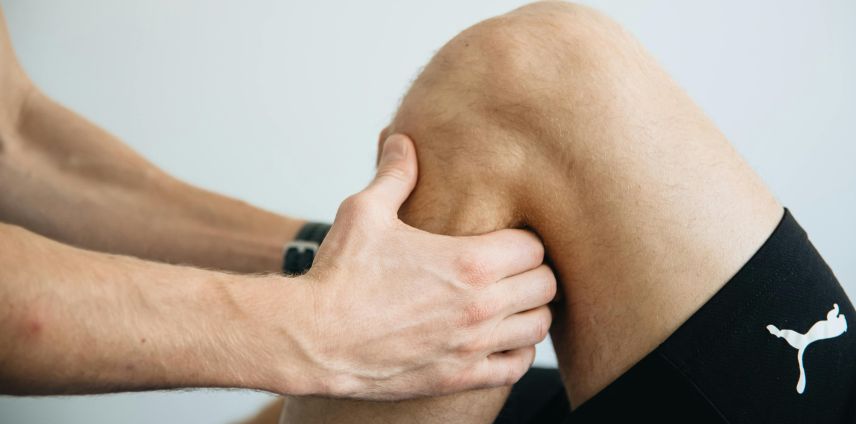
Everything was going well until you felt that sickening feeling in your knee. Having worked with many athletes through ACL injuries — and having experienced it personally — we understand how devastating it feels in those first moments. It can seem like your entire season, or your entire sporting future, is gone in an instant.
It’s not. But what you do in the days and weeks immediately following an ACL injury matters enormously. Here’s a clear guide to navigating it well.
Step 1: Manage the Injury in the First 48–72 Hours
After an ACL injury, significant swelling typically develops rapidly. Current best practice for acute soft tissue injuries follows the PEACE & LOVE framework — PEACE stands for Protection, Elevation, Avoid anti-inflammatory modalities, Compression, Education; LOVE stands for Load, Optimism, Vascularisation, Exercise.
Practically: protect the knee from further harm, elevate the leg when resting, and use light compression to manage swelling. Notably, ice and anti-inflammatory medications (NSAIDs) are no longer recommended in the acute phase — both can interfere with the natural inflammatory response that drives tissue repair. Gentle movement and progressive loading within comfortable limits are encouraged from early on, rather than complete rest.
Step 2: Do You Need Crutches?
Unless there’s a bone fracture, crutches may not be necessary for long. Many athletes arrive having been told to completely offload the knee — but maintaining some weight-bearing and restoring a normal walking pattern early actually speeds recovery. Focus on achieving a normal heel-to-toe walking pattern as soon as tolerated. Your physiotherapist will guide you on this.
Step 3: Get a Proper Assessment
A physiotherapy assessment can often diagnose an ACL tear through clinical testing including the Lachman and pivot shift tests. This gives you clarity on what you’re dealing with and allows planning to begin before imaging is organised — which means you’re not losing weeks waiting for a scan before starting rehabilitation.
Your assessment at Adapt Sports Physiotherapy will also look at your overall goals: what sport you’re returning to, what level you’re competing at, and what timeline you’re working toward. For a comprehensive overview of ACL assessment and treatment options, see our ACL injury and rehabilitation guide. That context shapes every decision that follows.
Step 4: The MRI Question
You will eventually need MRI imaging if surgery is being considered — but there’s no need to rush. A swollen, tender knee can produce unclear scans and makes the procedure less comfortable. In the early stages, a physiotherapy assessment can tell you most of what you need to know. Wait until the swelling settles and you have a clearer picture of your goals before organising imaging.
Step 5: Surgery or No Surgery?
Not everyone needs ACL reconstruction. Research — including the KANON trial — shows that for some people, particularly those not returning to high-level pivoting sport, structured rehabilitation alone can restore excellent function. Even if surgery is the right path for you, completing 5–12 weeks of structured pre-surgery rehabilitation improves outcomes significantly, with better post-operative quad strength, faster recovery, and more confidence in movement.
At Adapt Sports Physiotherapy, we help athletes from Chirnside Park, Croydon, Ringwood, Lilydale and Mooroolbark work through this decision with the right information and the physical foundation to make it well.
Step 6: Start Your Rehabilitation
Whether surgery is chosen or not, the rehabilitation pathway is similar. Our structured ACL rehabilitation programs focus on:
- Restoring full range of motion and normal gait
- Building quad, hamstring and glute strength progressively
- Improving balance, proprioception and neuromuscular control
- Progressing through functional training and sport-specific drills
- Meeting objective return-to-sport criteria before going back
At key milestones we use VALD ForceDecks force plates and the VALD DynaMo dynamometer to measure quad and hamstring strength objectively. This gives athletes and their families clear data on physical readiness — not guesswork — at each stage of recovery. Find out more about our non-surgical ACL rehab approach if surgery is not your preferred path.
Step 7: Trust the Process
ACL recovery takes time — typically 9–12 months for full return to high-level pivoting sport. The athletes who recover best are those who commit to the process, hit their milestones, and don’t rush the final stages.
The psychological side of ACL recovery is real and significant. Fear of re-injury, frustration at the pace of progress, and the difficulty of watching teammates train while you rehabilitate are all normal parts of the journey. We factor this into our approach — keeping you as active as the stage of recovery allows, giving you clear milestones to work toward, and ensuring you have the information and confidence you need at each stage.
Why the 9–12 Month Timeline Matters
One of the most important things we communicate to athletes recovering from ACL injury is that the 9–12 month minimum return-to-sport timeline is not arbitrary. It reflects the evidence on graft maturation after reconstruction, re-injury rates at different time points, and the time required to build the neuromuscular control needed to protect the knee under match-intensity load.
Athletes who return earlier — particularly before meeting strength benchmarks — face a significantly elevated risk of re-rupture. This is especially true in the first two years after returning to pivoting sport. The timeline is there to protect you, not to keep you off the field longer than necessary.
Return-to-sport decisions at Adapt Sports Physiotherapy are criteria-based, not calendar-based. Strength testing, hop tests, and sport-specific movement assessments all form part of the final stage of rehabilitation — giving you, your coach, and your family genuine confidence in your readiness before you step back on the field.
Frequently Asked Questions
How do I know if I’ve torn my ACL?
Common signs include a popping sensation, rapid swelling, knee instability or giving way, and pain with weight-bearing. A physiotherapist can perform clinical tests to assess ACL integrity. MRI imaging provides definitive confirmation. (General information only.)
How long until I can return to sport after an ACL injury?
Return to high-level sport typically takes 9–12 months. Some return sooner to lower-demand activities. Objective criteria — including strength tests and hop tests — guide this decision rather than time alone. (General information only.)
Is it safe to walk on a torn ACL?
In many cases, yes — particularly once the initial swelling settles. Restoring a normal walking pattern early is generally beneficial. Your physiotherapist will guide weight-bearing based on your specific injury. (General information only.)
What happens if I don’t get my ACL repaired?
Not everyone needs surgical repair. Some athletes manage very well non-surgically with appropriate rehabilitation. Leaving an ACL tear completely unaddressed without rehabilitation carries a higher risk of ongoing instability and secondary injury. (General information only.)
Can I prevent a future ACL injury after recovering?
Completing a thorough rehabilitation program — including meeting strength benchmarks and completing return-to-sport testing — significantly reduces re-injury risk. Ongoing strength maintenance and neuromuscular training are also protective. (General information only.)
What should I avoid doing immediately after an ACL injury?
Avoid anti-inflammatory medications without professional guidance (these may impair healing in the acute phase), and avoid pushing through pain to continue playing. Get off the field, protect the knee, and seek assessment as soon as practical. (General information only.)