
Returning to Running After ACL Reconstruction
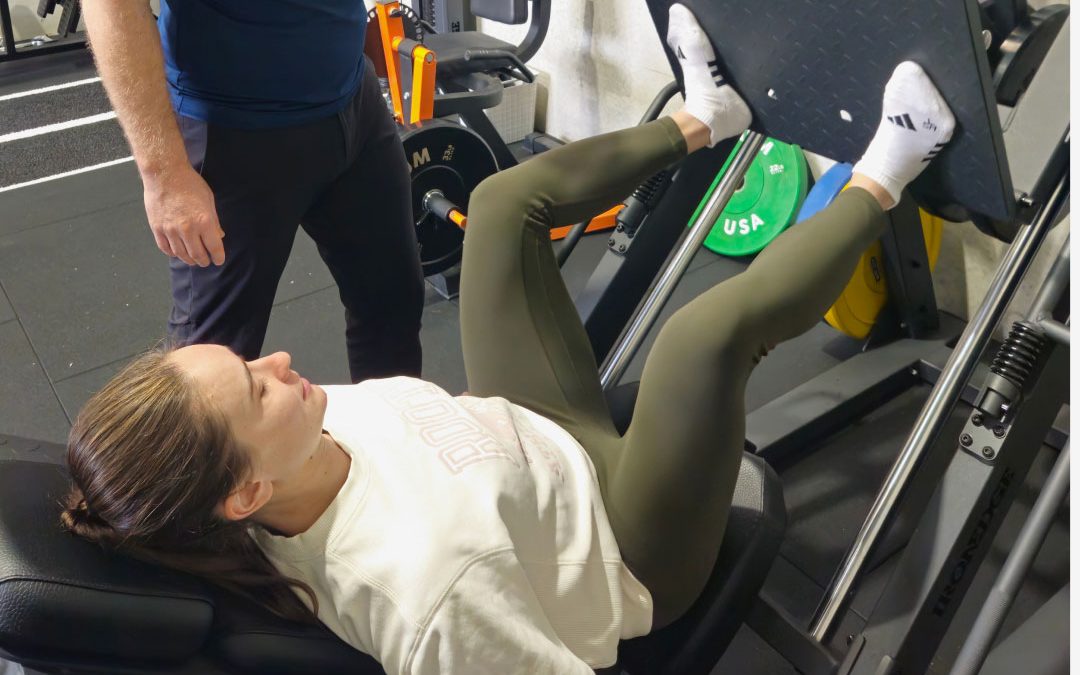
If you’ve had an ACL reconstruction, getting back to running is often one of the goals that matters most. It isn’t a separate goal to chase once the rest of your recovery is “done” — it sits within the same staged rehabilitation plan, guided by the same criteria as every other stage, and it’s usually the first real test of whether the knee can tolerate impact and repeated load again. That’s what makes it worth getting right, not just getting to quickly.
Why Returning to Running Is an Important Milestone
Returning to running is often the first milestone that feels like a return to sport. Up until this stage, most of the work has happened in the gym — strengthening, control, balance — without much resemblance to the sport you’re trying to get back to. It’s usually the first activity in the program that involves real impact rather than a single controlled movement.
It matters for another reason too: how the knee responds to running — whether it swells, whether confidence holds up, whether technique changes under fatigue — is useful information about readiness for the next stage, whether that’s field-based training, court sports, or a return to competition.
When Most People Are Ready to Begin Running
There’s no single date that applies to everyone, but as a general guide, most people begin a structured running program somewhere between 12 and 16 weeks after ACL reconstruction — provided they’ve met the strength and control criteria for that stage. Some people take longer, and that’s not a setback. It usually just means the program is genuinely matched to how the knee is progressing, rather than to a date on the calendar.
The right time to start running depends on your specific surgery, your graft type, and — most importantly — where you’re actually at against the criteria below, not how many weeks have passed. Early rehabilitation after ACL reconstruction focuses on restoring movement and reducing swelling before strength and running are progressively added, so where you started from also shapes how this stage unfolds for you.
Why Time Alone Is Not Enough
It’s tempting to treat “12 weeks” as a green light. It isn’t. Two people at exactly the same point on the calendar can be in very different places physically — one with a knee that’s regained close to full strength and control, another still working through quad or hamstring deficits that haven’t fully resolved.
Starting to run before the knee is ready doesn’t just risk pain or a flare-up. It’s one of the more common contributors to setbacks later in rehabilitation — either a symptomatic knee that forces the program to be dialled back, or compensations in technique that carry through into later, higher-load stages. ACL rehabilitation is criteria-based rather than calendar-based for exactly this reason.
Objective Criteria Before Beginning a Running Program
Before introducing running, we’re looking for a combination of the following:
- Strength — quadriceps and hamstring strength on the operated leg tested against the uninjured side, typically at least 70–80% symmetry before running begins, with full symmetry expected later before return to sport
- Swelling — minimal to no swelling, including after activity; a knee that swells after loading isn’t ready for impact yet
- Pain — pain-free or near pain-free with daily activity and with the strength work already in the program
- Range of motion — full or close to full knee extension and flexion, matched to the uninjured side
- Hop testing — single-leg hop performance, where appropriate at this stage, without pain, giving way, or obvious compensation
- Functional testing — good single-leg control on tasks like step-downs and single-leg squats, without the knee collapsing inward or the hip dropping
None of these need to be perfect this early — we’re not expecting return-to-sport-level numbers. We’re looking for enough strength and control that running adds a manageable load to a knee that’s ready for it, not one still catching up.
Common Mistakes When Returning Too Early
- Chasing a date rather than meeting criteria — starting because “it’s been 12 weeks” rather than because strength and control markers have been met
- Increasing distance or frequency too quickly once running starts, instead of building gradually
- Ignoring ongoing swelling or an achy knee the day after a run, assuming it will settle on its own
- Dropping strength work once running starts, assuming running itself is enough conditioning
- Progressing to change-of-direction or field-based training before the running phase itself has been properly built up
Signs You Should Stop Running and Get Reassessed
- Swelling that develops during or after a run
- Pain during running that wasn’t there before, or that changes in character
- A feeling of instability or the knee “giving way”
- Noticeable limping or a change in running technique, particularly under fatigue
- Symptoms that don’t settle within a day of running, rather than easing off with rest
None of these necessarily mean something is seriously wrong, but they’re a sign the program needs a look — not something to push through.
What a Graded Return-to-Running Program Looks Like
A graded return-to-running program typically starts with a run-walk protocol on flat, predictable ground: short intervals of running interspersed with walking, gradually increasing as the knee tolerates it well. From there, volume is built before intensity — more continuous running before faster running, and faster running before change of direction or uneven terrain.
Strength work continues throughout this phase rather than stopping once running begins — the two run in parallel. Progression is guided by how the knee actually responds, settling well after each session with no new swelling and no change in pain, rather than a fixed weekly increase. This is the same principle behind our approach to running injuries more broadly.
How Physiotherapy Helps
A physiotherapist’s role through this stage is to take the guesswork out of it — assessing where you are against the criteria above, not just asking how the knee feels, and building a running progression that matches your knee’s readiness, your sport, and your goals.
At Adapt Sports Physiotherapy in Chirnside Park, we use VALD ForceDecks and the VALD Dynamo to objectively test strength and side-to-side differences, adding measurable information to clinical assessment — it adds to the picture, it doesn’t replace it. This sits within our broader sports physiotherapy approach, and applies whether you’ve had surgery or are following a non-surgical ACL rehabilitation pathway. We work with athletes across Chirnside Park and Melbourne’s eastern suburbs at every stage of ACL injury and rehabilitation, and can help you work out whether you’re ready to start running, or what’s still needed first.
When to Seek Assessment
If you’re approaching the point in your rehabilitation where running would typically be introduced — or if you’ve already started and something doesn’t feel right — it’s worth getting assessed rather than guessing. This is particularly true if you’ve been managing your own program without regular check-ins, if progress has plateaued, or if you’re getting symptoms you’re unsure about. A short assessment can confirm you’re on track or catch a problem early.
Frequently Asked Questions
How soon after ACL reconstruction can I start running?
Most people begin a structured running program between 12 and 16 weeks post-surgery, provided strength and control criteria have been met. This varies based on graft type, surgical technique, and individual progress — it’s guided by criteria, not a fixed date. (General information only.)
What percentage strength do I need before I start running?
As a general guide, most programs look for at least 70–80% strength symmetry between the operated and uninjured leg before introducing running, with full symmetry typically expected later before return to sport. Your physiotherapist can test this objectively rather than relying on how the knee feels. (General information only.)
Is it normal for my knee to swell a little after my first few runs?
Some mild, short-lived swelling can occur as the knee adjusts to new load, but swelling that persists or increases isn’t a good sign and usually means the program needs to be scaled back. If you’re unsure, it’s worth checking with your physiotherapist rather than pushing on. (General information only.)
Can I skip straight to running without walk-run intervals?
It’s not recommended. A graded run-walk protocol allows the knee to build tolerance to impact gradually, rather than being exposed to continuous running load all at once. Skipping this stage is one of the more common reasons athletes develop symptoms early in the running phase. (General information only.)
What happens if I start running and get symptoms?
Stop, rest, and get it assessed rather than continuing through it. Ongoing symptoms usually mean the program needs to be adjusted — either scaled back temporarily or paired with additional strength work — not that running is off the table altogether. (General information only.)
Do I need to keep doing strength work once I’ve started running?
Yes. Running and strength training work together during this phase rather than one replacing the other. Stopping strength work once running starts is a common mistake that can slow progress in the stages that follow. (General information only.)
Returning to running after ACL reconstruction is a genuine milestone — not a starting line and not a finish line, but an important step in a longer process. Getting it right comes down to meeting the right criteria at the right time. If you’re getting close to this stage, or already working through it, a proper assessment can tell you exactly where you stand and what’s next. Our ACL Rehabilitation page covers the full staged process in more detail.
Book an appointment online or call us on (03) 4063 3520.
General information only — this article does not replace individual assessment, diagnosis, or treatment. Outcomes vary between individuals.