
Lower Back Pain After Deadlifts: Advice for Ringwood CrossFit Athletes
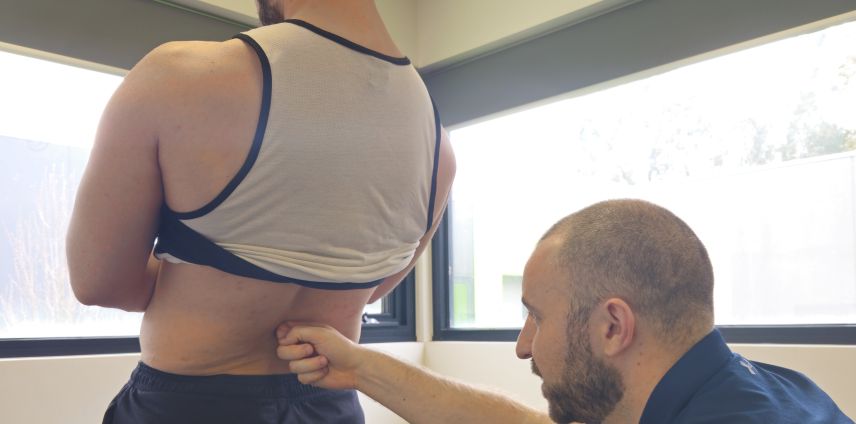
It’s one of the most common complaints we hear from CrossFit athletes around Ringwood:
“My back feels tight or sore after deadlifts — should I be worried?”
The short answer: not necessarily. Your lower back plays a real role in stabilising the spine during a deadlift, and some activation is entirely normal. But when that sensation moves from “working” to “painful” — or it lingers for hours or days — it’s a sign something needs addressing. The good news? In most cases, you can keep training.
Is It Normal to Feel Your Back During Deadlifts?
Yes — to a degree. The lumbar erector spinae muscles work to maintain a neutral spine under load. What’s not normal is sharp or pinching pain during the lift, a dull ache that persists well after the session, or ongoing tightness that limits other movements.
Why Your Lower Back Might Hurt After Deadlifts
1. Poor Lumbo-Pelvic Control
If your hips tilt forward excessively or your core fails to brace effectively, the spine compensates. This overloads the lower back — particularly during high-rep WODs or when going heavy.
2. Fatigue and Form Breakdown
Even athletes with excellent technique see form deteriorate under fatigue. Later reps in a WOD — particularly in mixed movements like deadlifts into box jumps or burpees — increase spinal load when the muscles can no longer maintain positioning.
3. Mobility Restrictions
Tight hamstrings, stiff ankles or limited thoracic mobility can force the lumbar spine to compensate and move more than it should during a deadlift. This cumulative stress creates pain over time.
4. Going Too Heavy Too Soon
In the CrossFit environment, group energy and whiteboards can push athletes beyond what their body is ready to handle. Jumping in too hard without adequate preparation consistently backfires.
What Kind of Back Problem Are We Dealing With?
Not all deadlift-related back pain is the same — and the underlying driver shapes the management approach significantly.
Muscle and soft tissue strain is the most common presentation. Pain came on during or after a session, is felt broadly across the lower back, and eases with movement. This is typically the least serious and responds well to load modification and progressive rehabilitation.
Lumbar disc irritation tends to produce pain that worsens with sustained flexion — sitting, bending forward, or pulling from the floor. Some disc presentations produce symptoms that travel into the buttock or down the leg. These warrant a physiotherapy assessment to guide management.
Facet joint irritation is more associated with extension-loaded movements and produces local back pain that worsens with arching backward or prolonged standing. It’s common in athletes who deadlift with excessive hyperextension at lockout.
Understanding which structure is most likely involved helps guide both training modifications and rehabilitation. Our CrossFit lower back pain guide covers contributing factors and exercise modifications in more detail.
How to Manage and Prevent Lower Back Pain from Deadlifts
Modify, Don’t Stop
The goal in most cases is to stay moving while reducing the load on the injured structure. For deadlift-related lower back pain, this might mean switching to a trap bar deadlift (which produces less lumbar flexion demand), raising the bar height using blocks or plates, or temporarily moving to a Romanian deadlift at reduced load. The key is maintaining the movement pattern while taking enough mechanical stress off the back to allow recovery.
Complete rest rarely helps lower back pain — and it certainly won’t improve your deadlift. Instead, reduce load or switch temporarily to Romanian deadlifts, kettlebell deadlifts, or tempo work. Keep moving while addressing the root issue.
Focus on Bracing
Work on deep core activation and diaphragmatic breathing under load. If your glutes and deep core aren’t doing their job, your back takes the slack. Our team can help with movement patterning and bracing cueing.
Address Mobility Restrictions
Target hip flexors, hamstrings and thoracic mobility. These restrictions alter your deadlift mechanics in ways that accumulate over time. Consistent mobility work before sessions can make a significant difference.
Know When to Get It Checked
Seek assessment if your back pain is sharp rather than dull, if it radiates into the buttock or down the leg, if it’s accompanied by weakness or numbness, or if it hasn’t settled within 1–2 weeks of modified training. These features may indicate nerve involvement or a more significant disc issue that requires specific management.
If your pain is sharp, radiates down the leg, causes pins and needles, or doesn’t settle within a few days, seek a physiotherapy assessment promptly. These signs suggest something more than muscle fatigue.
Why CrossFit Athletes Trust Adapt Sports Physiotherapy in Ringwood
We work with CrossFitters of all levels — from beginners at local boxes to competitive athletes around Ringwood, Croydon and Chirnside Park. At Adapt Sports Physiotherapy, we don’t just treat the pain — we look at how you’re moving, what’s loading your spine under fatigue, and what’s limiting your ability to maintain position when it matters.
Our assessment includes movement screening, load testing, and manual assessment of the lumbar spine and hips. Where objective measurements would help — for athletes returning after a more significant back injury — we use VALD ForceDecks and the VALD DynaMo dynamometer to track strength and guide return-to-lifting decisions. Find out more on our back pain physio page.
Frequently Asked Questions
Is lower back pain after deadlifts serious?
In most cases, back tightness or mild pain after deadlifts is muscular and not serious — a sign that the posterior chain worked hard. Sharp pain, radiating pain down the leg, numbness, tingling or unexpected weakness are different. These symptoms warrant prompt assessment as they may indicate disc irritation, nerve involvement, or a more significant structural issue that needs management before continuing to train. (General information only.)
Should I stop deadlifting if my back hurts?
Not necessarily. Modifying the movement — reducing load, switching to a Romanian or trap bar variation, adjusting your setup — is often more appropriate than stopping entirely. Complete rest can actually slow recovery from lower back pain by reducing blood flow and deconditioning the muscles that support the spine. Keep moving, but move smarter. (General information only.)
How can I deadlift without hurting my lower back?
Key factors include: learning proper bracing technique, maintaining a neutral spine throughout the lift, not exceeding your current strength capacity, and addressing mobility restrictions that alter your mechanics. A physiotherapy movement assessment can identify your specific contributors. (General information only.)
When should I see a physio for deadlift back pain?
Seek assessment if: pain is sharp or worsening, it radiates into the buttock or leg, it significantly affects your training or daily function, or it hasn’t improved within 1–2 weeks. Early assessment leads to a faster, more targeted recovery. (General information only.)
Can a physio help me improve my deadlift technique?
Yes. A physiotherapy movement assessment identifies position, bracing or mobility issues contributing to pain or limiting performance. This includes evaluating hip hinge mechanics, lumbo-pelvic control under load, and thoracic extension capacity. We combine clinical assessment with hands-on treatment and progressive exercise to address the root cause — so you can deadlift heavier and with more confidence. (General information only.)