
Rotator Cuff Pain
Rotator cuff pain refers to pain and reduced function related to the muscles and tendons that stabilise the shoulder, often noticed with lifting, reaching or overhead activity.
30-minute appointments as standard · No referral required
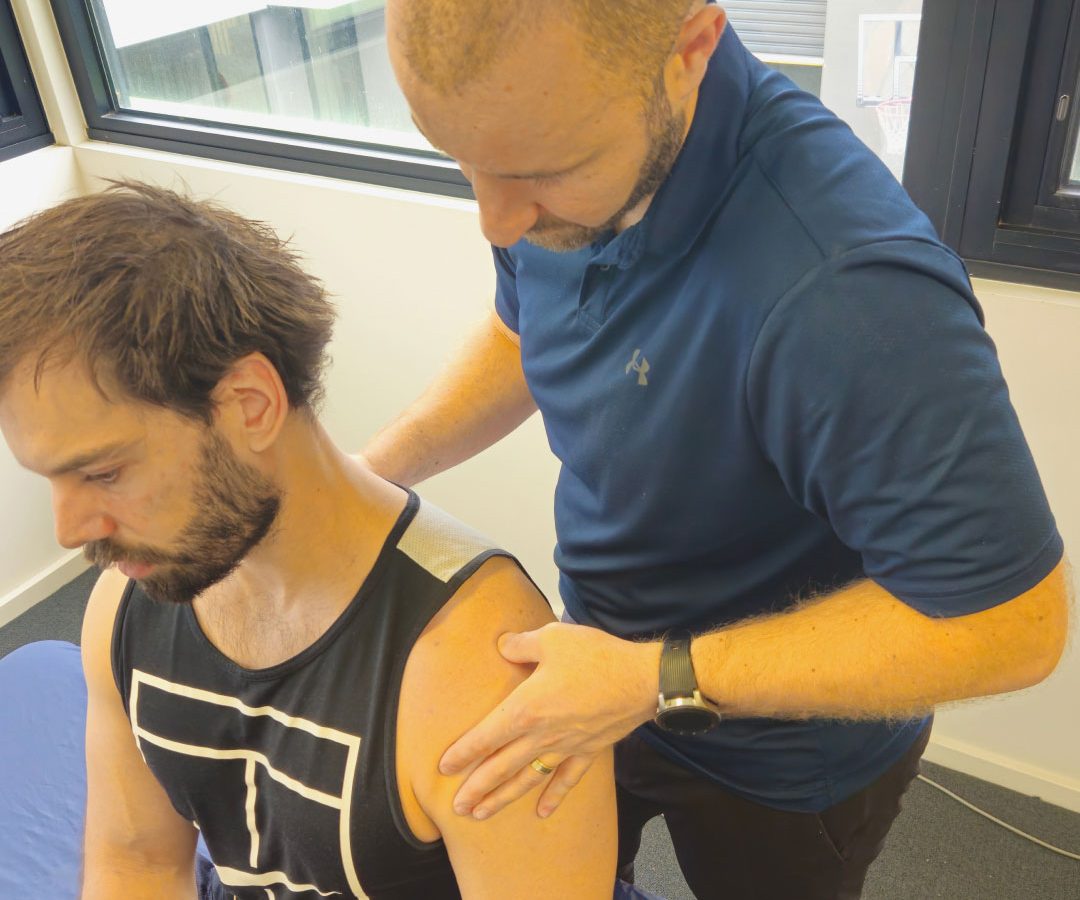
What is Rotator Cuff Pain?
The rotator cuff is a group of muscles and tendons that stabilise and move the shoulder joint. Rotator cuff pain can develop gradually through activity or training, or occasionally follow a specific injury.
This can include pain with lifting, reaching overhead or behind your back, weakness during specific movements, or discomfort that’s worse at night on the affected side.
If your pain is more consistently linked to a specific arc of movement, or you notice a pinching or catching sensation, our Shoulder Impingement page may be a closer match — the two often overlap, and an assessment can help clarify which is driving your symptoms.
How We Assess Rotator Cuff Pain
Assessment includes understanding how your symptoms started, what movements aggravate them, and your goals — whether that’s returning to gym training, sport, or comfortable daily activity.
We assess shoulder movement, strength and control, including how the rotator cuff and surrounding muscles are working together, to build a picture of what’s driving your symptoms.
Treatment and Rehabilitation Approach
Treatment is guided by what the assessment finds, often combining hands-on treatment, targeted strengthening and guidance on managing aggravating movements or loads.
This sits within our broader shoulder pain approach.
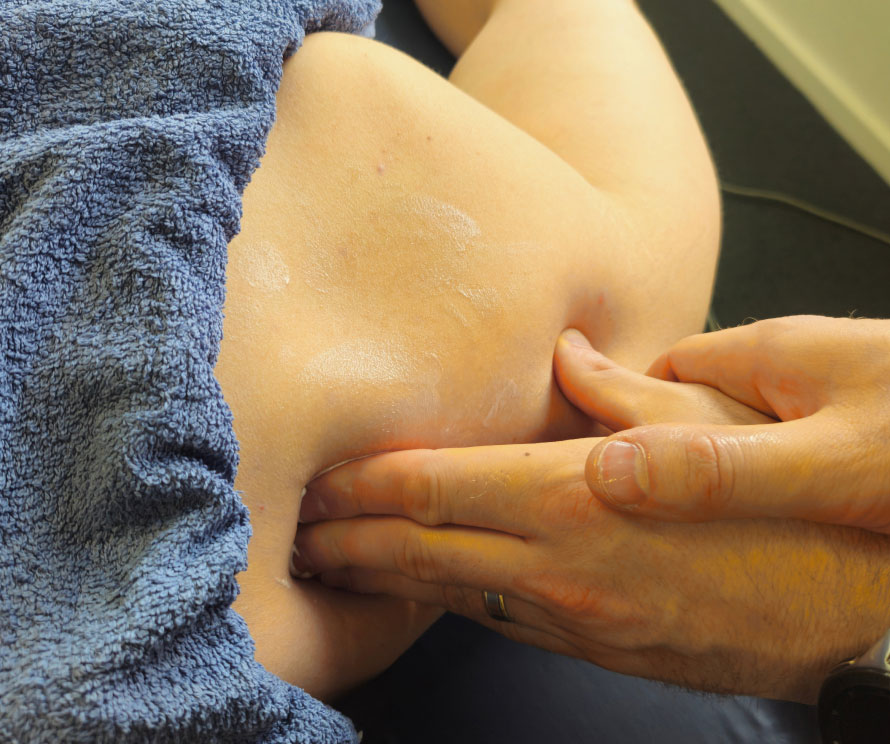
Looking for help with Rotator Cuff Pain?
An assessment can help identify the factors contributing to your symptoms and guide the next steps.
Symptoms
Pain with lifting or reaching
Often noticed during overhead activity, reaching behind the back, or lifting.
Night pain
Discomfort that’s worse lying on the affected side is a common feature.
Reduced strength
Some people notice their shoulder feels weaker during specific movements, particularly overhead.
Causes and Risk Factors
Training or activity load changes
A change in gym training, overhead activity or repetitive lifting can outpace what the rotator cuff currently tolerates.
Shoulder movement and control
How the shoulder blade and shoulder joint work together can influence load through the rotator cuff.
Previous shoulder injury
A prior shoulder injury can change how the joint is loaded and controlled afterwards.
Return-to-Sport Considerations
Rebuild strength and control
Progressive strengthening around the rotator cuff and shoulder blade rebuilds capacity for daily activity or training.
Reintroduce overhead activity gradually
Overhead and loaded movements are reintroduced in stages, guided by how your shoulder responds.
Return to gym or sport-specific demands
For people returning to training or sport, load is built back in progressively as part of a staged plan.
Frequently Asked Questions
How long does rotator cuff pain take to settle?
This varies depending on the underlying cause and how long symptoms have been present — your physiotherapist can give you a clearer picture once assessed.
Can I keep training with rotator cuff pain?
Often yes, with training modified to reduce aggravating movements while strength is rebuilt — an assessment helps determine what’s appropriate.
Do I need a scan for rotator cuff pain?
Imaging isn’t required for most rotator cuff presentations. It’s considered when the result would change how it’s managed, discussed with you at assessment.
Will I need surgery for rotator cuff pain?
Most rotator cuff presentations are managed without surgery. Where surgery is being considered, this is discussed as part of a broader management plan.
Clinically reviewed by Ryan Harris on 18/08/2026