
Back Pain in Ringwood: How Physio Can Help You Recover
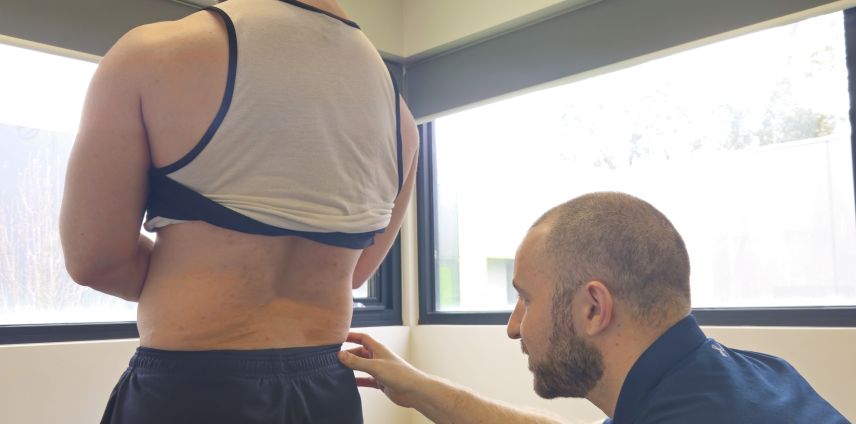
Back pain is one of the most common reasons people seek physiotherapy — and if you’ve been searching for help with back pain in Ringwood, you’re far from alone. We regularly see patients from Ringwood, Croydon, Chirnside Park, Mooroolbark, and Lilydale presenting with back pain that ranges from a dull ache after a long day at a desk to sharp, debilitating pain that comes on suddenly during sport or lifting.
The important thing to understand about back pain is that it rarely has a single cause. Two people with identical symptoms can have completely different drivers — which is why a thorough individual assessment matters more than generic advice.
General information only. This article does not replace individual assessment, diagnosis, or treatment. Outcomes vary between individuals.
Who Gets Back Pain?
Back pain affects people across all ages and activity levels. In our clinic, common presentations include:
- Gym-goers and lifters — particularly after deadlifts, squats, or high-volume training weeks
- Football and running athletes — from acute injuries or accumulated training load
- People who sit for long periods — desk workers, drivers, and those recovering from other injuries
- Manual workers and tradies — from sustained postures or heavy lifting
- People with no obvious cause — back pain frequently develops gradually without a clear trigger
Common Causes of Back Pain
1. Muscle Strain
Muscle strains are among the most frequent causes of sudden-onset back pain. They typically occur during lifting, twisting, or an unexpected movement that places the back muscles under load they weren’t prepared for.
Common signs:
- Sharp or intense pain at the time of injury
- Localised tenderness and muscle spasm
- Pain that worsens with movement and eases with rest initially
- Stiffness the morning after the injury
What may help:
- Relative rest in the acute phase — reducing aggravating activity without complete immobilisation
- Gradual return to movement as symptoms allow
- Progressive strengthening to support return to training or lifting
2. Disc-Related Pain
Disc-related back pain — including disc bulges and disc irritation — is a common source of both local back pain and referred leg symptoms. Discs sit between the vertebrae and act as shock absorbers. When a disc is irritated or places pressure on nearby nerves, it can produce a distinct pattern of symptoms.
Common signs:
- Deep, central lower back pain that may refer into the buttock or leg
- Sharp pain with certain movements — particularly bending forward or sitting for extended periods
- Tingling, numbness, or weakness into the leg or foot in some cases
- Symptoms that vary significantly with posture and position
What may help:
- Physiotherapy assessment to identify directional preferences — movements that centralise or reduce symptoms
- Posture and load management advice for work and daily activities
- Progressive rehabilitation to restore movement and build tolerance
- Understanding that imaging findings don’t always correlate with symptoms — many disc bulges are manageable with conservative care
3. Postural and Load-Related Back Pain
This is one of the most common presentations we see — back pain that develops gradually without any specific injury. It’s particularly common in people who sit for long periods, work in sustained postures, or have recently increased their activity levels.
Common signs:
- Dull aching that builds throughout the day
- Stiffness after prolonged sitting, driving, or standing
- Pain that eases with movement but returns with rest
- Symptoms that have developed slowly over weeks or months
What may help:
- Identifying and adjusting the postures or habits contributing to load
- Targeted strengthening of the core, hips, and back
- Movement variety — breaking up sustained postures throughout the day
4. Sports-Related Back Pain
We regularly see back pain in Ringwood-area athletes — particularly runners, footballers, and gym-goers. Sport-related back pain often develops when training load increases faster than the body’s capacity to adapt, or when technique under fatigue places repetitive stress on the spine.
Common signs:
- Back pain that develops during or after specific training sessions
- Pain that correlates with increases in training volume or intensity
- Stiffness the morning after heavy sessions
- Recurring episodes that follow a similar pattern each time
What may help:
- Reviewing training load and weekly structure
- Addressing strength deficits in the hip, glute, and core that increase spinal load
- Technique assessment for lifting or sport-specific movements
5. Sciatica and Referred Leg Pain
Sciatica refers to pain that travels from the lower back into the buttock and down the leg, following the path of the sciatic nerve. It’s often associated with disc irritation or nerve compression in the lumbar spine, and can range from a mild ache to intense burning or shooting pain.
Common signs:
- Pain, tingling, or numbness that runs from the lower back into the buttock and leg
- Symptoms that may extend as far as the foot
- Pain that worsens with sitting, bending forward, or sneezing
- One-sided symptoms in most cases
What may help:
- Physiotherapy assessment to identify the source and contributing factors
- Nerve mobility exercises where appropriate
- Load and posture management to reduce nerve irritation
- Progressive strengthening as symptoms allow
When Should You See a Physio for Back Pain?
Physiotherapy assessment is likely to be useful if your back pain is:
- Persisting beyond a few days without improvement
- Waking you at night or significantly disrupting sleep
- Associated with leg pain, tingling, numbness, or weakness
- Limiting sport, training, work, or daily activities
- Recurring — coming back repeatedly after settling
- Getting worse rather than gradually improving
If you experience back pain with loss of bladder or bowel control, seek medical assessment urgently — this is not a physiotherapy presentation.
For more detail on what a back pain assessment involves, visit our Back Pain Physiotherapy page.
Back Pain Physiotherapy Serving Ringwood and Surrounds
Adapt Sports Physiotherapy is located in Chirnside Park and regularly sees patients from Ringwood, Croydon, Mooroolbark, Lilydale, and Montrose for back pain assessment and rehabilitation. If you’re based in Mooroolbark specifically, we also have a dedicated guide to back pain in Mooroolbark. For Lilydale patients, see our back pain in Lilydale guide.
Whether your back pain came on suddenly during sport, has been building gradually over months, or keeps recurring despite previous treatment — a thorough assessment is the starting point for understanding what’s driving it.
Book an appointment online or call us on (03) 4063 3520.
Frequently Asked Questions
How long does back pain usually last?
This varies significantly depending on the cause and how it’s managed. Many acute episodes settle within a few weeks with appropriate care. Disc-related or persistent back pain may take longer and benefit from structured rehabilitation. Recurring back pain often responds well to identifying and addressing the underlying contributing factors. (General information only.)
Should I rest or keep moving with back pain?
In most cases, staying gently active is more beneficial than complete rest. Prolonged bed rest is generally not recommended for back pain. The appropriate level of activity depends on the cause and severity of your symptoms — a physiotherapy assessment can guide what’s suitable for your specific presentation. (General information only.)
Can I keep training with back pain?
Many people can continue some form of training with appropriate modifications. Completely stopping activity is often unnecessary and may delay recovery. Adjusting load, exercise selection, or technique can allow continued activity while the back settles. If pain is severe, worsening, or associated with leg symptoms, seek assessment before continuing. (General information only.)
Do I need a scan for my back pain?
Most back pain does not require imaging to begin physiotherapy management. Scans are typically recommended when there are specific clinical indicators — such as significant trauma, progressive neurological symptoms, or failure to improve with conservative care. Your physiotherapist or GP can advise whether imaging is appropriate for your situation. (General information only.)
Do I need a referral to see a physio for back pain?
No referral is required to book a physiotherapy appointment at Adapt Sports Physiotherapy. You can book directly online or by phone. (General information only.)
What’s the difference between back pain and sciatica?
Back pain refers to symptoms localised in the lower, mid, or upper back. Sciatica describes pain that travels from the lower back into the buttock and down the leg along the sciatic nerve. The two can occur together. Both can be assessed and managed with physiotherapy. (General information only.)
General information only — this article does not replace individual assessment, diagnosis, or treatment. Outcomes vary between individuals.