
Back Pain in Mooroolbark: Causes, Treatment and When to See a Physio
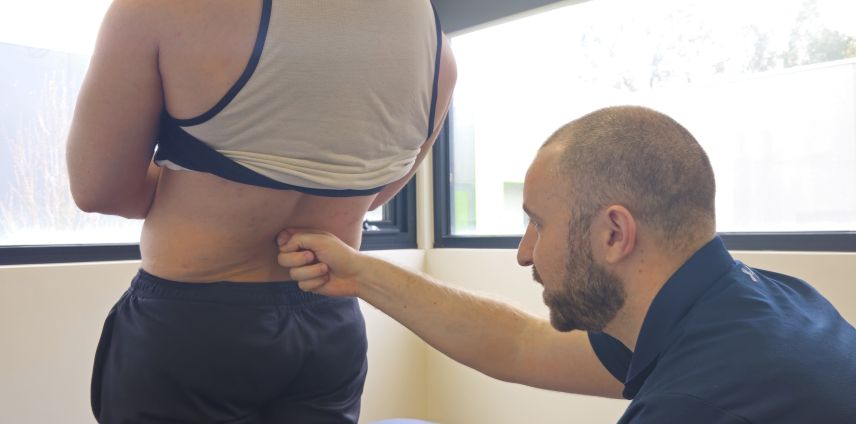
Back pain is one of the most common presentations we assess at Adapt Sports Physiotherapy — and for the active community in Mooroolbark, it’s one that can genuinely disrupt training, work, and everyday movement. Whether your pain came on during a heavy session at the gym, built up gradually over a football season, or appeared seemingly out of nowhere after a long day on your feet, understanding what’s driving it is the first step toward addressing it properly.
This guide covers the most common causes of back pain we see in Mooroolbark residents, what may help, and when it’s worth seeking a professional assessment. We serve Mooroolbark from our Chirnside Park clinic and work with active adults across the Yarra Valley on exactly these complaints.
Who Gets Back Pain in Mooroolbark?
Back pain can affect anyone, but it’s particularly common in active adults aged 30–50 who are regularly placing physical demands on their bodies. In the Mooroolbark patients we see at our Chirnside Park clinic, back pain tends to appear in a few recognisable patterns:
- Gym-goers and strength trainers who’ve increased load too quickly, or whose technique shifts under fatigue during compound movements like deadlifts and squats
- Football players managing the physical demands of contact, twisting, and the accumulated load of in-season and preseason training
- Runners who’ve experienced a spike in mileage, or whose hip and glute strength isn’t keeping pace with training volume
- Tradies and manual workers who accumulate significant spinal load through the working week and feel it by Thursday or Friday
- Desk workers in their 30s and 40s who have a recurring niggle that has finally stopped responding to a few days of rest
We also regularly help Mooroolbark residents with other musculoskeletal complaints — including shoulder pain in Mooroolbark, which often shares similar contributing factors around training load and movement quality.
Common Causes of Back Pain in Mooroolbark
Back pain is a symptom, not a single diagnosis — the underlying driver can vary significantly, and that shapes the management approach. Here are the presentations we assess most commonly.
Muscle and Soft Tissue Strains
Muscle and soft tissue strains are the most common acute cause of back pain, particularly in people who train regularly. They typically follow a heavy lift, a sudden awkward movement, or a period of increased training load without adequate recovery.
Signs it might be a muscle strain:
- Pain that came on during or immediately after a specific activity
- Stiffness and soreness across the lower back, often one-sided
- Pain that eases with gentle movement but worsens with prolonged rest
- No leg pain, pins and needles, or numbness
What may help: For acute soft tissue injuries, current best practice supports the POLICE framework — Protection, Optimal Loading, Ice, Compression, and Elevation — rather than the older approach of complete rest. The key shift is Optimal Loading: graded, gentle movement is generally more beneficial than avoiding activity altogether. Physiotherapy assessment helps identify the appropriate level of load and guides a structured return to training.
If gym-based lifting is a factor in your back pain, our guide to lower back pain after deadlifts covers this presentation in more detail.
Lumbar Disc Irritation
The intervertebral discs sit between the vertebrae and help absorb and distribute load through the spine. When a disc becomes irritated or develops a bulge, it can cause local back pain — and sometimes pressure on nearby nerve roots, producing symptoms into the buttock, thigh, or lower leg (commonly called sciatica).
Signs it might involve a disc:
- Back pain that worsens with sitting, bending forward, or sustained flexed postures
- Pain, tingling, or numbness that travels into the buttock or down one leg
- Symptoms that shift significantly with position or movement direction
- Pain that came on after a heavy lift or a long period in a bent-forward posture
What may help: Disc-related presentations often respond well to specific directional exercises and graded load management. Physiotherapy assessment identifies which movements aggravate versus ease symptoms, and rehabilitation is guided by that pattern. The majority of disc presentations improve with conservative management — surgery is rarely required as a first step.
Facet Joint Irritation
The facet joints are small paired joints at the back of each vertebra. They guide spinal movement and can become irritated through extension-based loading — common in deadlifts, overhead pressing, prolonged standing, and some running styles.
Signs it might involve the facet joints:
- Deep, aching pain worse with arching backward or prolonged standing
- Morning stiffness that eases once you get moving
- Local back pain without significant leg symptoms
- Tenderness over the spine itself rather than the surrounding muscles
What may help: Load modification, targeted mobilisation, and graded strengthening are typically the starting point. Assessment clarifies which movements are provocative and what can be adjusted in training while rehabilitation progresses.
Referred Pain from the Hip or Sacroiliac Joint
Not all pain felt in the lower back region originates from the lumbar spine. The sacroiliac joint (SIJ) and the hip can both refer pain into the lower back and buttock, and are sometimes mistaken for spinal problems. This distinction is important because the management approach differs significantly depending on the source.
Signs it might be referred pain:
- Pain concentrated in the buttock or outer hip rather than the centre of the lower back
- Symptoms that change with hip or pelvic movement more than spinal movement
- Pain with single-leg activities like running, lunging, or climbing stairs
- A history of hip, groin, or pelvic complaints
What may help: A structured assessment can differentiate between spinal and non-spinal pain sources and direct management toward the actual driver of symptoms — not just where the pain is felt.
When Should You See a Physio?
Most back pain is not a sign of serious pathology — but that doesn’t mean it should be pushed through or left unaddressed. It’s worth seeking assessment if:
- Your pain has persisted for more than one to two weeks without improving
- You have pain, numbness, or pins and needles travelling into your leg
- Back pain is disrupting your sleep, training capacity, or ability to work
- You’ve had recurring episodes of back pain that keep returning despite rest
- You’re not sure what’s causing it and want a clear picture before continuing to train
Some symptoms warrant urgent medical review rather than physiotherapy as a first step — specifically, back pain accompanied by changes in bladder or bowel control, significant weakness in one or both legs, or pain following a major fall or accident. If you’re experiencing any of these, seek medical attention promptly.
Back Pain Assessment at Adapt Sports Physiotherapy
At Adapt Sports Physiotherapy in Chirnside Park, we work with active adults from Mooroolbark, Croydon, Lilydale, Ringwood, and across the Yarra Valley who are dealing with back pain that’s getting in the way of training and daily life.
Our assessment goes beyond identifying where it hurts. We take a thorough history of your pain before conducting a structured physical examination that includes movement testing, palpation, and neurological screening where indicated.
For gym-goers and athletes, we also examine how your back is loading during the movements that aggravate your symptoms — reviewing lifting technique, running posture, and hip and thoracic mobility. We use VALD ForceDecks force plates and the VALD DynaMo dynamometer to capture objective strength data that supports rehabilitation decisions and tracks real progress.
You can find out more about what we offer on our back pain physio page.
Frequently Asked Questions About Back Pain in Mooroolbark
Is it safe to exercise with back pain?
In most cases, yes — with appropriate modifications. Complete rest is generally not the recommended approach for back pain, and graded, gentle activity is often more beneficial than stopping movement altogether. What is safe and appropriate depends on the type and severity of your pain, which is why early physiotherapy assessment is valuable. (General information only.)
How do I know if my back pain is something serious?
Most back pain is not serious. However, certain symptoms warrant prompt medical review: changes in bladder or bowel control, significant leg weakness, bilateral leg symptoms, or pain following major trauma. If any of these apply, seek medical attention rather than physiotherapy first. (General information only.)
Will I need a scan for my back pain?
Not necessarily. Many back pain presentations can be thoroughly assessed and managed effectively without imaging. Scans are most useful when specific clinical indicators are present — your physiotherapist can advise whether imaging is likely to add useful information for your particular situation. (General information only.)
How long before I can return to full training after back pain?
This depends on the cause and how long it has been present. Acute muscle strains often allow modified training within one to two weeks, with full training resumption in four to six weeks in many cases. Disc-related or complex presentations typically require longer. Individual outcomes vary. (General information only.)