
Back Pain in Lilydale: Common Causes and When to See a Physio
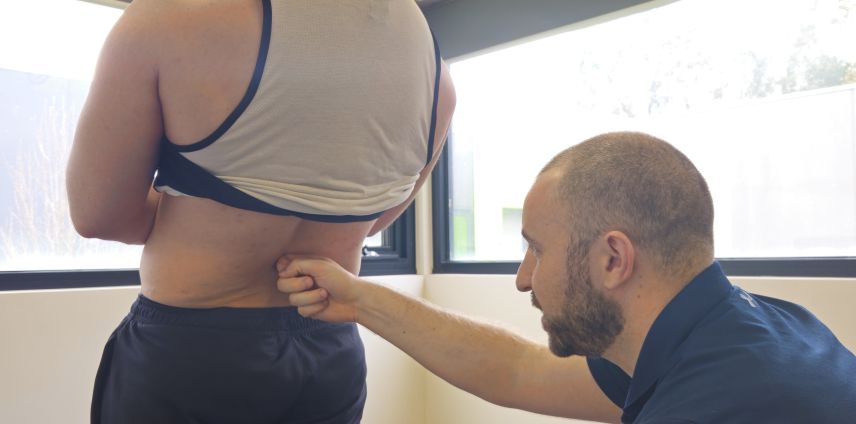
Back pain is one of the most common complaints we see in active adults — and one of the most misunderstood. It’s easy to assume the worst when your back flares up, but most back pain responds well to the right assessment and a structured approach to getting moving again.
If you’re dealing with back pain in Lilydale or the surrounding area, this guide covers what’s likely going on, what the signs are, and when it makes sense to get it properly assessed.
General information only — this article does not replace individual assessment, diagnosis, or treatment. Outcomes vary between individuals.
Who Gets Back Pain?
Back pain doesn’t discriminate. It affects people who sit at a desk all day, people who train hard, and everyone in between. In the active adults we see across Lilydale, Chirnside Park, and Mooroolbark, it tends to show up in a few common patterns:
- Gym-goers who’ve increased load too quickly or whose technique under fatigue has shifted
- Runners dealing with cumulative load through the lumbar spine
- Footballers who’ve taken a knock or twisted awkwardly
- People in their 30s and 40s who’ve had a recurring niggle that’s finally stopped responding to rest
Back pain that keeps coming back is often telling you something about load, movement patterns, or strength that hasn’t been addressed. That’s where assessment adds real value.
Common Causes of Back Pain in Active Adults
Muscle and Soft Tissue Strains
The most common cause of acute back pain is muscle or soft tissue strain — an overload of the muscles, tendons, or ligaments supporting the spine. This can happen after a heavy lift, a sudden awkward movement, or simply an accumulation of load over time.
Signs it might be a muscle strain:
- Pain that came on during or after a specific activity
- Stiffness and soreness across the lower back
- Pain that eases with gentle movement but worsens with prolonged rest or certain positions
- No leg pain or numbness
What may help: Staying as active as symptoms allow is generally encouraged. Assessment helps identify whether load management, movement modification, or targeted exercise is the most appropriate starting point.
Disc Irritation
The discs between the vertebrae act as shock absorbers. When a disc is irritated or bulges, it can cause local back pain — and sometimes pressure on nearby nerves, which may produce symptoms into the buttock or leg.
Signs it might involve a disc:
- Back pain that is worse with sitting or flexion (bending forward)
- Pain, tingling, or numbness that travels into the buttock, thigh, or lower leg
- Symptoms that vary significantly with position
- Pain that came on after a heavy lift or prolonged flexed posture
What may help: Disc-related presentations often respond well to specific directional exercises and load management. Physiotherapy assessment can help identify which movements aggravate versus ease symptoms, which guides the approach.
Facet Joint Irritation
The facet joints are small joints at the back of each vertebra that guide spinal movement. They can become irritated through extension-based loading — common in activities like deadlifts, overhead pressing, and running.
Signs it might be facet joint related:
- Back pain that is worse with arching backward or standing for long periods
- Stiffness that eases once you get moving
- Local back pain without significant leg symptoms
- Tenderness over the spine itself
What may help: Load modification and targeted exercise are typically the first line of management. Assessment helps clarify which movements are provocative and what can be modified in training in the meantime.
Referred Pain from the Hip or SIJ
Not all pain felt in the back region originates from the spine. The sacroiliac joint (SIJ) and hip can both refer pain into the lower back and buttock, and are sometimes mistaken for lumbar spine problems.
Signs it might be referred pain:
- Pain concentrated in the buttock or outer hip rather than the centre of the lower back
- Symptoms that change with hip movement or single-leg loading
- Pain with activities like running, lunging, or climbing stairs
- History of hip or pelvic issues
What may help: Accurate differentiation between spinal and non-spinal sources of pain is an important part of the assessment process. Treatment direction depends significantly on where the pain is actually coming from.
Load-Related Back Pain in Gym and Running Athletes
In active adults who train regularly, back pain is often a load management issue rather than a structural one. A spike in training volume, a new movement pattern, or a change in recovery is frequently the underlying driver.
Signs it might be load-related:
- Back pain that has coincided with a change in your training programme
- Symptoms that are manageable during training but flare afterward
- Pain that improves with rest but returns when you resume normal training
- No history of injury — just a gradual onset
What may help: Understanding the relationship between your training load and your symptoms is central to managing this type of back pain. The goal is to identify a level of activity that allows recovery while maintaining as much training as possible — then build from there.
When Should You See a Physio?
Most back pain is not a sign of serious injury — but that doesn’t mean it should be ignored. It’s worth getting assessed if:
- Pain has persisted for more than a week or two without improving
- You have pain, numbness, or tingling travelling into your leg
- Your back pain is affecting sleep, work, or training
- You’ve had episodes of back pain before and this one feels different
- You’re not sure what’s causing it and want a clear picture
There are also symptoms that warrant prompt medical attention rather than physiotherapy as a first step — including back pain accompanied by bladder or bowel changes, or pain following significant trauma. If you’re experiencing either of these, seek medical review promptly.
Back Pain Assessment at Adapt Sports Physiotherapy
At Adapt Sports Physiotherapy in Chirnside Park, we work with active adults across Lilydale, Mooroolbark, Croydon, Ringwood, and surrounds who are dealing with back pain that’s getting in the way of training or daily life.
Assessment focuses on understanding what’s driving your symptoms — not just managing them in the short term. We also have resources for nearby areas: back pain in Mooroolbark and back pain in Ringwood. For patients dealing with neck pain alongside back pain, see our neck pain in Lilydale guide.
Or call (03) 4063 3520
Frequently Asked Questions
Should I rest or keep moving with back pain?
For most back pain, staying gently active is preferable to complete rest. Prolonged bed rest is generally not recommended. The right level of activity depends on the cause and severity — which is why assessment is useful early on.
Do I need a scan for my back pain?
Not always. Many back pain presentations can be assessed and managed effectively without imaging. Scans are most useful when there are specific clinical indicators — your physiotherapist can guide whether imaging is warranted and what type would be most helpful.
How long will my back pain take to resolve?
This depends heavily on the cause, how long it’s been present, and your activity levels. Acute muscle strains can settle within a few weeks with the right approach. Persistent or recurring back pain typically takes longer and benefits from a more structured programme. Individual outcomes vary.
Can back pain come from training at the gym?
Yes — gym training is a common contributor, particularly when load has increased quickly, technique has broken down under fatigue, or recovery hasn’t kept pace with training demands. This doesn’t mean you need to stop training — it usually means modifying and rebuilding with more structure.
Is back pain common in runners?
It’s more common than many runners expect. The repetitive loading of running, combined with hip and glute strength deficits or changes in training volume, can contribute to lower back symptoms. A running-specific assessment can help identify what’s driving it.