
Hip Flexor Strain
A hip flexor strain is an injury to the muscles at the front of the hip, common in sprinting, kicking and sports involving rapid hip flexion. Structured rehabilitation supports recovery and a safe return to sport.
30-minute appointments as standard · No referral required

What is Hip Flexor Strain?
A hip flexor strain involves stretching or tearing of the muscles at the front of the hip, commonly occurring during sprinting, kicking or sudden, forceful hip flexion. It’s a common injury in running and field sports.
This can include sudden pain at the front of the hip during activity, tightness, or discomfort when lifting the knee or striding out. Severity varies, from mild strains to more significant tears.
How We Assess Hip Flexor Strain
Assessment includes understanding how the injury occurred, your current symptoms, and your strength and flexibility through the hip flexors and surrounding muscles.
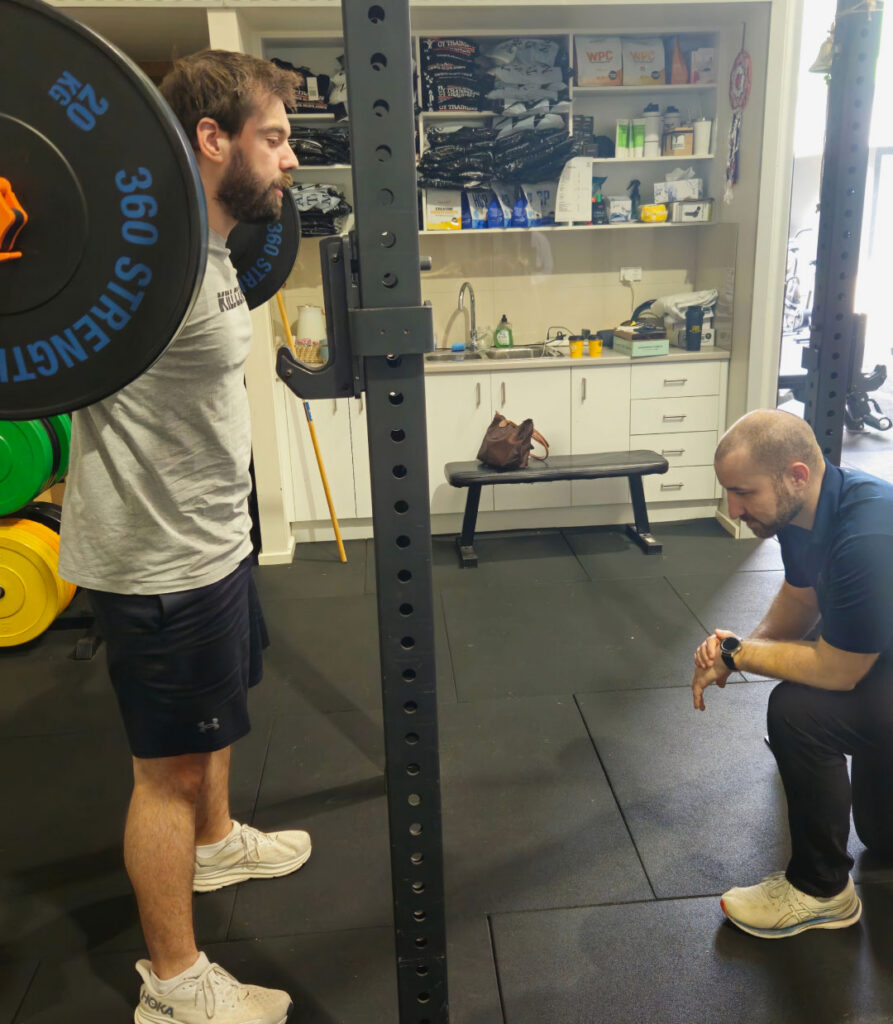
We assess strength, flexibility and function, including how your hip responds to loaded movements such as resisted hip flexion or sprint-specific drills, to understand the extent of the injury and guide rehabilitation.
Treatment and Rehabilitation Approach
Treatment typically progresses from managing initial symptoms, through progressive strengthening, to sprinting and kicking-specific loading as part of a staged return.
This sits within our broader hip and groin pain and sports physiotherapy approach.
Looking for help with a Hip Flexor Strain?
An assessment can help identify the factors contributing to your symptoms and guide the next steps.
Symptoms
Sudden pain at the front of the hip
Often occurs during sprinting, kicking or a forceful stride.
Pain with lifting the knee
Discomfort when lifting the knee, striding out or climbing stairs is common.
Tightness or reduced flexibility
Some people notice tightness at the front of the hip, particularly with extension movements.
Causes and Risk Factors
Sprinting and kicking
Hip flexor strains commonly occur during sprinting, kicking or rapid, forceful hip flexion.
Strength through forceful hip flexion
Hip flexor strength through forceful flexion, such as during sprinting or kicking, can lag behind training demands and increase strain risk.
Previous hip flexor injury
A prior strain is associated with future injury risk, which is why rehabilitation matters.
Return-to-Sport Considerations
Restore pain-free movement
Early rehabilitation focuses on settling symptoms and restoring comfortable hip movement, before sprinting and kicking are reintroduced.
Rebuild strength through hip flexion range
Strength is rebuilt in stages, including exercises that load the hip flexors specifically through the forceful flexion patterns used in sprinting and kicking.
Return to sprinting and sport gradually
Sprinting, kicking and sport-specific demands are reintroduced progressively, guided by how the hip responds.
Frequently Asked Questions
How long does a hip flexor strain take to heal?
This varies depending on severity, typically from a couple of weeks for a mild strain to longer for more significant injuries.
Can I keep training with a hip flexor strain?
This depends on severity — your physiotherapist can guide you on what’s safe to continue.
Do I need a scan for a hip flexor strain?
Not always required, though imaging may be recommended for more significant injuries or if recovery isn’t progressing as expected.
What's the difference between a hip flexor strain and hip flexor tightness?
Tightness is a feeling of restricted movement without necessarily involving tissue damage, while a strain involves an injury to the muscle fibres — your physiotherapist can help clarify which applies to you.