
Frozen Shoulder
Frozen shoulder involves progressive stiffness and restricted movement in the shoulder, which can develop gradually over time. Physiotherapy can help manage symptoms through each stage.
30-minute appointments as standard · No referral required
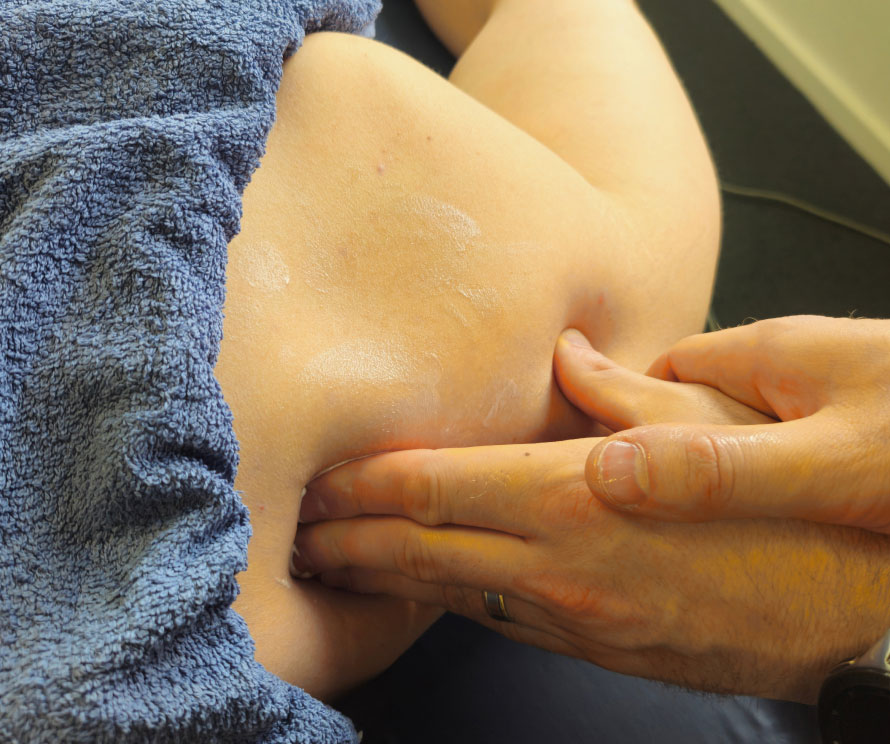
What is Frozen Shoulder?
Frozen shoulder, also known as adhesive capsulitis, involves progressive stiffness and pain in the shoulder joint, which can significantly limit movement. It typically develops gradually through three recognised stages — freezing (pain and stiffness increase), frozen (stiffness dominates but pain often eases), and thawing (movement gradually returns) — though the pace and overlap between stages varies a lot between people.
This can include increasing shoulder stiffness, pain that’s often worse at night, and difficulty with everyday movements such as reaching overhead, behind the back, or out to the side.
How We Assess Frozen Shoulder
Assessment includes understanding how your symptoms have developed, which stage they may be at, and how they’re affecting your daily activities.
We assess shoulder movement and function, to understand the extent of stiffness and pain, and to guide an appropriate management approach for your current stage.
Treatment and Rehabilitation Approach
Management is tailored to the stage of your condition, often combining pain management strategies, movement work and education about the expected course of recovery.
This sits within our broader shoulder pain and physiotherapy approach.
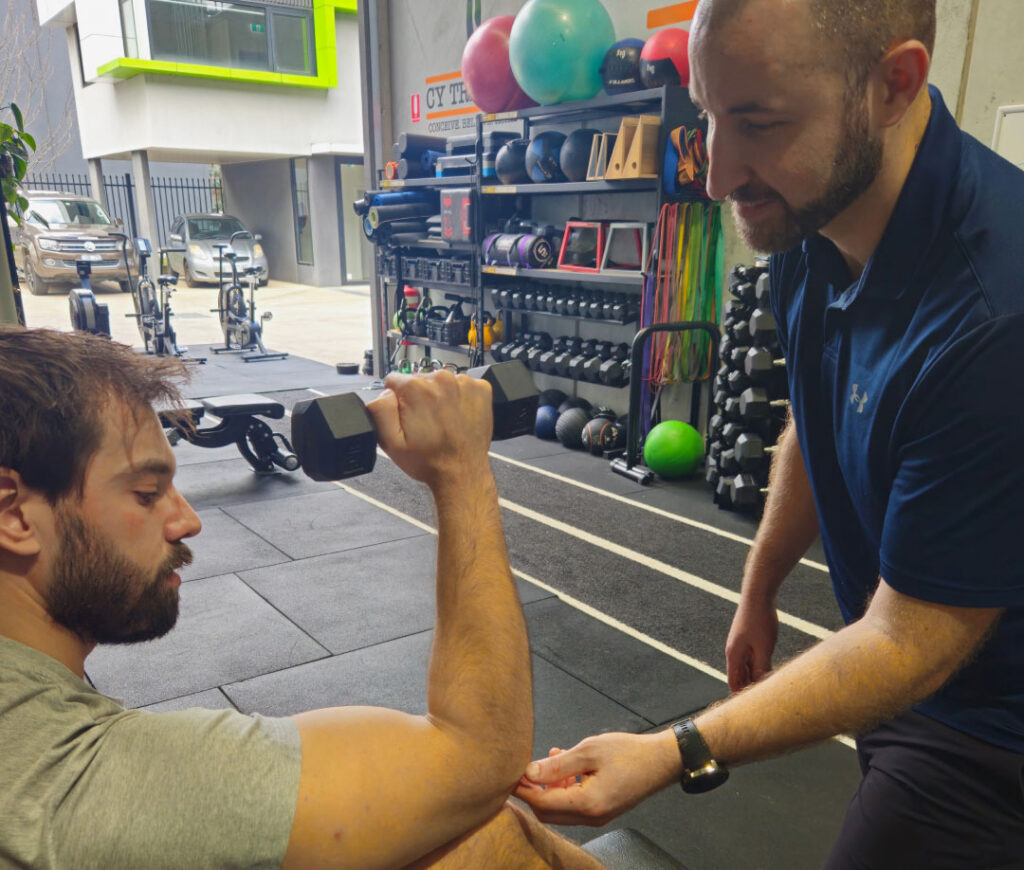
Looking for help with a Frozen Shoulder?
An assessment can help identify the factors contributing to your symptoms and guide the next steps.
Symptoms
Progressive stiffness
Movement typically becomes increasingly restricted over time, particularly reaching overhead or behind the back.
Night pain
Pain is often worse at night, which can affect sleep.
Difficulty with daily tasks
Simple movements such as dressing or reaching for objects can become difficult.
Causes and Risk Factors
Often develops without a clear single cause
Frozen shoulder can occur without an obvious triggering injury.
Periods of reduced shoulder movement
Extended periods of reduced use, sometimes following injury or surgery, can be associated with its development.
Individual factors
Certain individual health factors can be associated with a higher likelihood of developing frozen shoulder, which is discussed at assessment where relevant.
Return-to-Sport Considerations
Manage symptoms through each stage
Management is adapted as your shoulder moves through different stages of stiffness and recovery.
Maintain and restore movement
Movement work is introduced at a level appropriate to your current stage and symptoms.
Return to daily activity gradually
As movement improves, daily tasks and activities are gradually reintroduced.
Frequently Asked Questions
How long does frozen shoulder last?
Frozen shoulder can take a considerable time to fully resolve, and the course varies between individuals — your physiotherapist can discuss what to expect based on your presentation.
Will frozen shoulder go away on its own?
It often improves over time, though this can take many months. Physiotherapy can help manage symptoms and support movement through this process.
Do I need a scan for frozen shoulder?
Frozen shoulder is usually diagnosed based on your history and assessment findings, and imaging isn’t always required.
Can physiotherapy speed up recovery from frozen shoulder?
Physiotherapy can help manage symptoms and support movement, though the underlying process still tends to follow its own timeframe — your physiotherapist can discuss realistic expectations with you.
Clinically reviewed by Ryan Harris on 18/08/2026