
Shoulder Impingement
Shoulder impingement refers to pain that occurs when structures in the shoulder become compressed during certain movements, often with reaching or overhead activity.
30-minute appointments as standard · No referral required
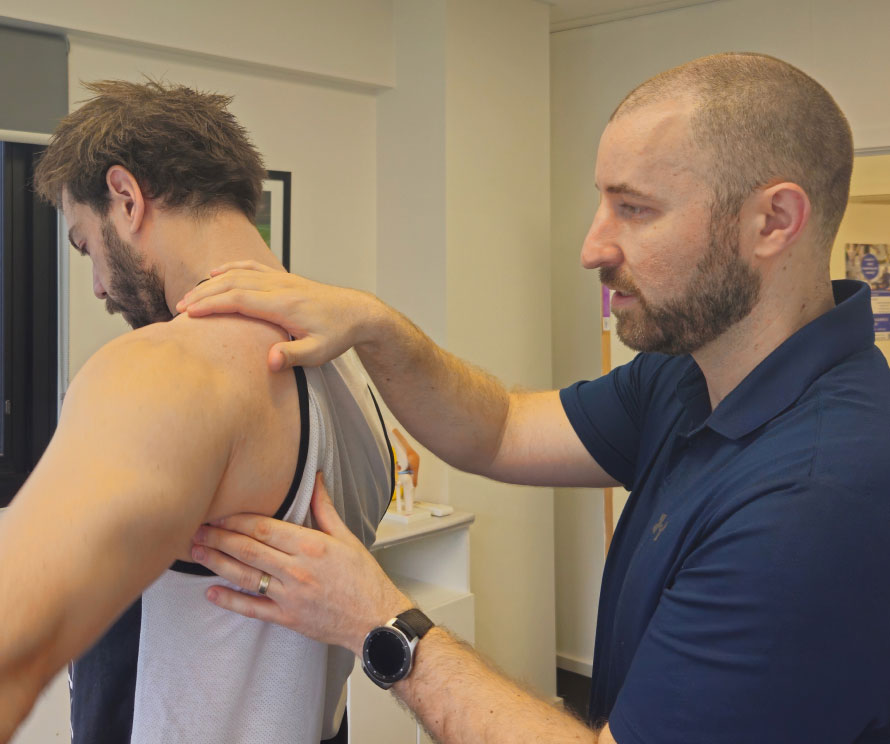
What is Shoulder Impingement?
Shoulder impingement describes pain that occurs when soft tissue structures in the shoulder become compressed during certain movements, particularly overhead or reaching activities. It’s a common presentation rather than a single specific diagnosis.
This can include pain with lifting the arm through a specific range, discomfort reaching overhead or behind the back, or an ache that builds with repetitive shoulder movement.
If you’re also noticing night pain or a general sense of weakness with overhead movement, our Rotator Cuff Pain page may be a closer match — the two often overlap, and an assessment can help clarify which is driving your symptoms.
How We Assess Shoulder Impingement
Assessment includes understanding your symptoms, which movements are affected, and your goals — whether that’s returning to exercise, sport or comfortable daily activity.
We assess shoulder movement, strength and control, and how your shoulder responds to specific positions and loaded movement, to understand what’s contributing to your symptoms.
Treatment and Rehabilitation Approach
Treatment is guided by what the assessment finds, often combining movement retraining, targeted strengthening and guidance on managing aggravating positions or loads.
This sits within our broader shoulder pain approach.
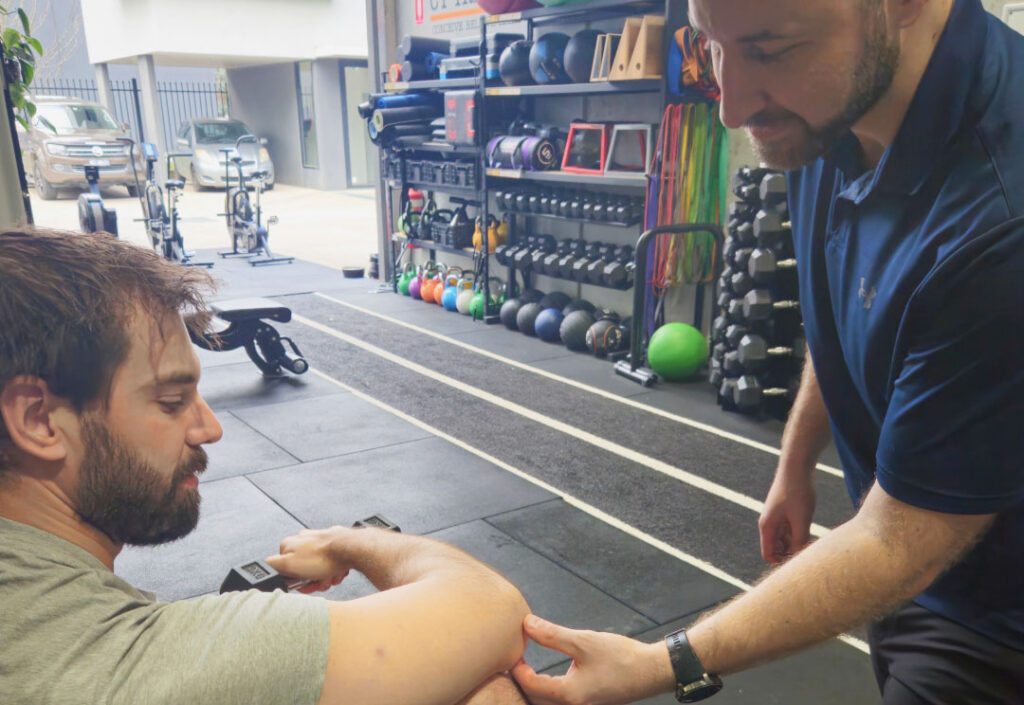
Looking for help with Shoulder Impingement?
An assessment can help identify the factors contributing to your symptoms and guide the next steps.
Symptoms
Pain through a specific arc of movement
Often noticed at a particular point when lifting or lowering the arm.
Pain with overhead activity
Discomfort during reaching, lifting or overhead sport and training movements.
A pinching or catching sensation
Some people describe a pinching feeling with certain shoulder positions.
Causes and Risk Factors
Repetitive overhead activity
Repeated overhead movement in sport, training or work can contribute to symptoms.
Shoulder blade and postural control
How the shoulder blade moves and stabilises during arm movement can influence symptoms.
Strength imbalances
Reduced strength or control around the shoulder and shoulder blade can contribute to how the shoulder moves.
Return-to-Sport Considerations
Improve movement and control
Movement retraining helps address patterns that may be contributing to symptoms.
Rebuild strength progressively
Strengthening around the shoulder and shoulder blade is progressed as symptoms allow.
Return to overhead activity gradually
Overhead and sport-specific movements are reintroduced in stages, guided by how your shoulder responds.
Frequently Asked Questions
Is shoulder impingement a serious condition?
Not usually. It’s a common and generally manageable presentation, though persistent or worsening symptoms are worth having assessed.
Can I keep exercising with shoulder impingement?
Often yes, with movements or loads that aggravate your symptoms modified while you work through your program — an assessment can guide you.
Do I need a scan for shoulder impingement?
Imaging isn’t required for most presentations, and is considered when the result would change management.
How long does shoulder impingement take to improve?
This varies between individuals — your physiotherapist can give you a clearer picture once you’ve been assessed.
Clinically reviewed by Ryan Harris on 18/08/2026