
Runner’s Knee (Patellofemoral Pain)
Runner's knee, or patellofemoral pain, is a common cause of pain around or behind the kneecap, often related to running, squatting or stairs. Assessment looks at how your knee is loading and moving to understand what's driving your symptoms.
30-minute appointments as standard · No referral required
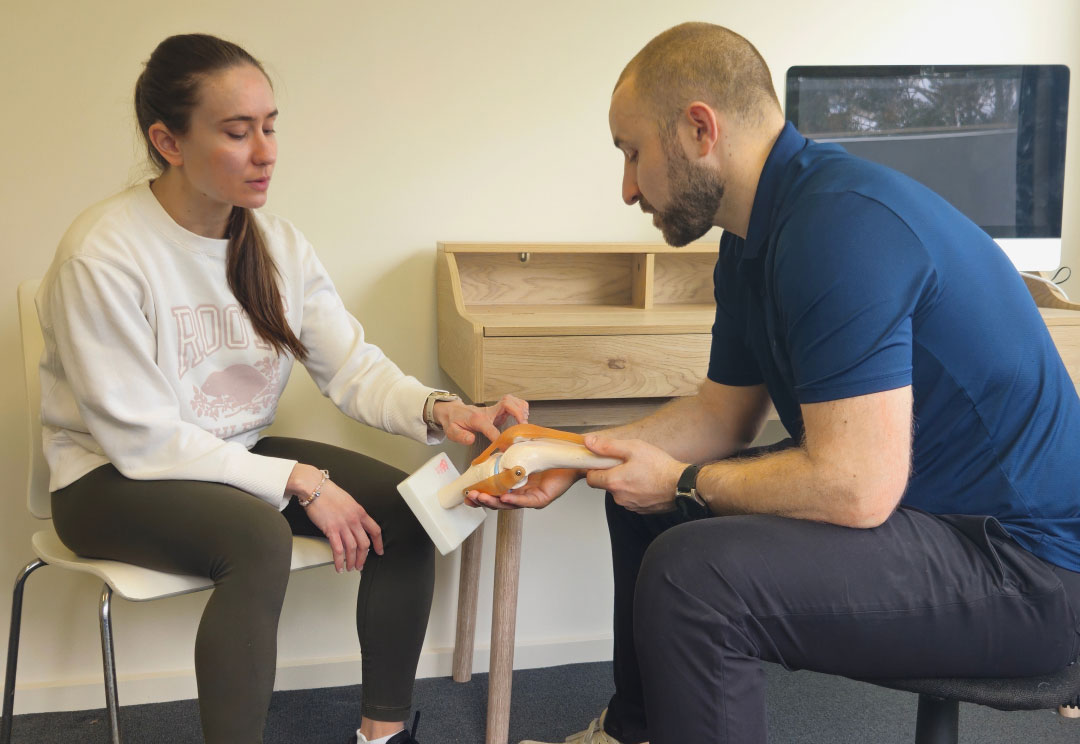
What is Runner’s Knee?
Runner’s knee, also known as patellofemoral pain, refers to pain around or behind the kneecap that’s often noticed during activities that load the knee — running, squatting, stairs, or sitting for long periods. It’s one of the most common knee complaints in active and running populations, and despite the name, it isn’t limited to runners.
This can include pain that builds gradually with training, a dull ache around the kneecap, or discomfort that’s worse going down stairs or after prolonged sitting. Symptoms often relate to how load is currently being managed through the knee, rather than a single structural problem.
How We Assess Runner’s Knee
Assessment starts with understanding your training history, what aggravates and eases your symptoms, and your goals — whether that’s returning to running, general exercise, or comfortable daily movement.
We assess movement and control through the knee, hip and ankle, along with strength and how your knee responds to load such as squatting or single-leg activity, to build a picture of what’s contributing to your symptoms.
Treatment and Rehabilitation Approach
Treatment is guided by what the assessment finds, often combining education, targeted strengthening and load management rather than simply resting until symptoms settle.
For runners, this sits within our wider knee pain approach, drawing on running-specific load management principles.
Looking for help with Runner’s Knee (Patellofemoral Pain)?
An assessment can help identify the factors contributing to your symptoms and guide the next steps.
Symptoms
Pain around or behind the kneecap
Often noticed during squatting, running, stairs or after sitting for a long time.
Pain that builds gradually
Symptoms commonly increase with training load rather than appearing suddenly.
A grinding or clicking sensation
Sometimes felt with knee movement, usually without pain on its own being a cause for concern.
Causes and Risk Factors
Training load changes
A rapid increase in running volume, intensity or frequency can outpace what the knee currently tolerates.
Strength and control factors
How the hip, knee and ankle work together during movement can influence load through the kneecap.
Previous knee injury
A prior injury can change how load is managed through the knee over time.
Return-to-Sport Considerations
Rebuild strength and control
Progressive strengthening around the hip and knee helps rebuild the capacity needed for running and daily activity.
Return to running gradually
Running volume is reintroduced in stages, guided by how your knee responds rather than a fixed timeframe.
Rebuild confidence with load
Gradual exposure to squatting, stairs and running helps rebuild confidence alongside physical capacity.
Frequently Asked Questions
How long does runner's knee usually take to settle?
This varies depending on your training history and how your knee responds to load management — your physiotherapist can give you a clearer picture once you’ve been assessed.
Can I keep running with runner's knee?
Often yes, depending on severity and how your symptoms respond to load. An assessment helps determine what level of running is appropriate.
Do I need a scan for runner's knee?
Imaging isn’t usually required for patellofemoral pain. It’s considered when the result would change how it’s managed, which is discussed with you at assessment.
When should I see a physiotherapist about knee pain?
It’s worth being assessed if pain is persistent, affecting your training, or not improving with simple load adjustments.
Clinically reviewed by Ryan Harris on 18/08/2026