
Physiotherapy in Chirnside Park
Physiotherapy assesses and treats pain, injury and movement problems through hands-on treatment, exercise and education. Care starts with understanding what's actually driving your symptoms, whatever your goals or activity level.
30-minute appointments as standard · No referral required
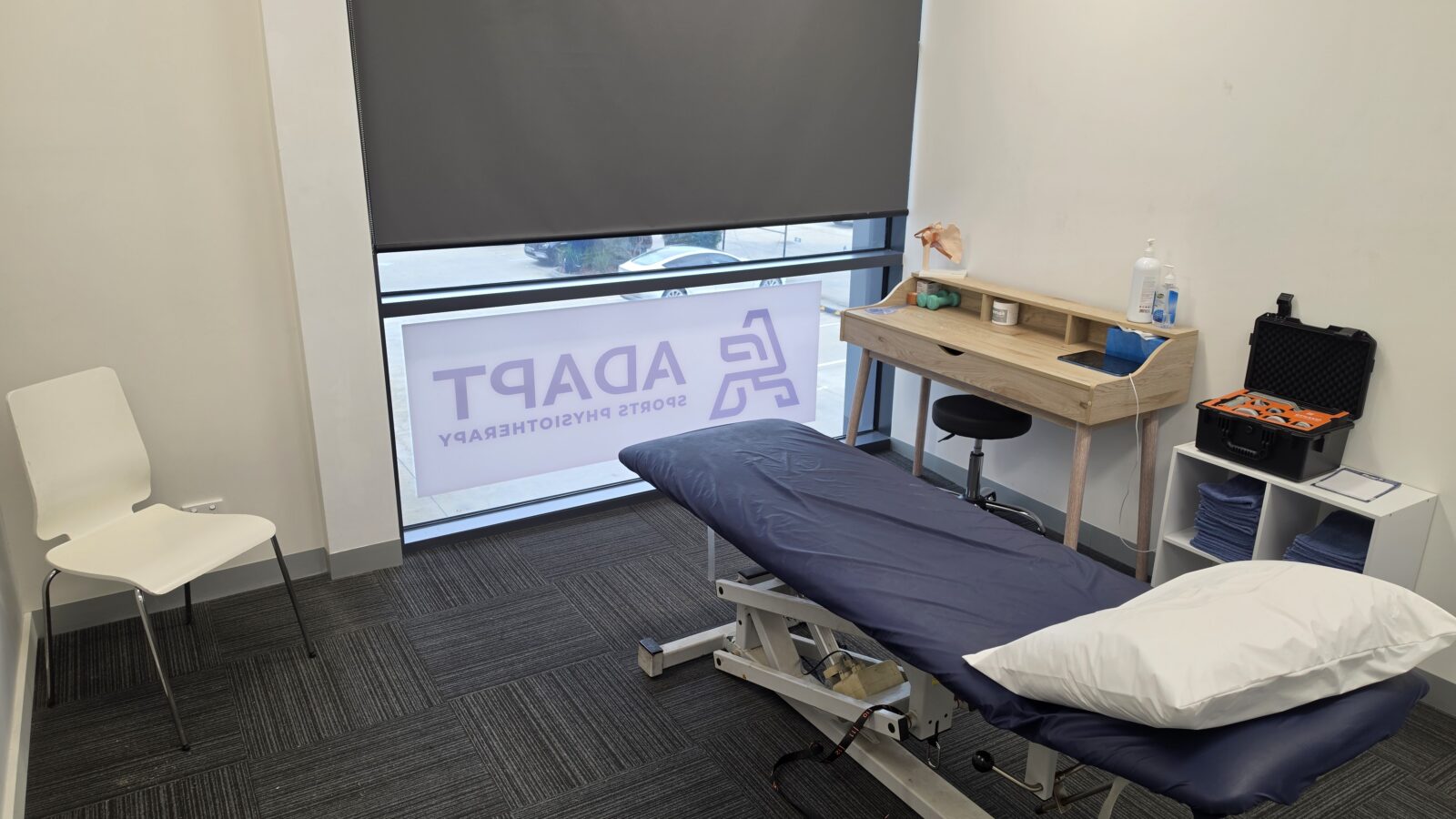
Why See Adapt Sports Physiotherapy
Pain, injury and movement problems rarely follow a textbook pattern. Physiotherapy at our Chirnside Park clinic starts with understanding what’s actually driving your symptoms, not applying a standard protocol regardless of presentation — because treatment that isn’t built around you rarely holds up long-term.
Care here isn’t limited to sport-related injuries. Whether you’re managing everyday pain, recovering from surgery, or noticing a change in how you move, the starting point is the same: understanding your movement, your goals, and what your body needs right now.
Who It Helps
- People with pain or injury that isn’t necessarily sport-related, from everyday strains to ongoing discomfort — including presentations like knee pain or foot and ankle pain.
- People recovering from surgery or a significant injury, including presentations like an ACL reconstruction, working through a structured rehabilitation plan.
- People managing chronic or recurring pain, looking for a clearer understanding of what’s driving it.
- People wanting a general assessment before deciding on next steps — including whether sports physiotherapy is a better fit for training- or sport-specific goals.
Our Approach
Assessment starts with understanding your symptoms, your history and what matters to you — whether that’s returning to a specific activity, reducing pain, or simply moving more comfortably day to day. From there, movement, strength and function are assessed to build a clear picture of what’s happening and why.
Treatment is built around what the assessment finds, drawing on hands-on techniques — including manual therapy and dry needling where appropriate — targeted exercise and clear education about your condition and what helps it. Where your goals involve a particular sport or training demand, this may lead into the more specialised sports physiotherapy approach.
Benefits
- A clearer understanding of what’s driving your symptoms, rather than guesswork.
- Treatment built around your presentation and goals, not a generic program.
- Hands-on care combined with an exercise plan you can build on outside the clinic.
- A clear next step, whether that’s ongoing general care or a more specialised pathway.
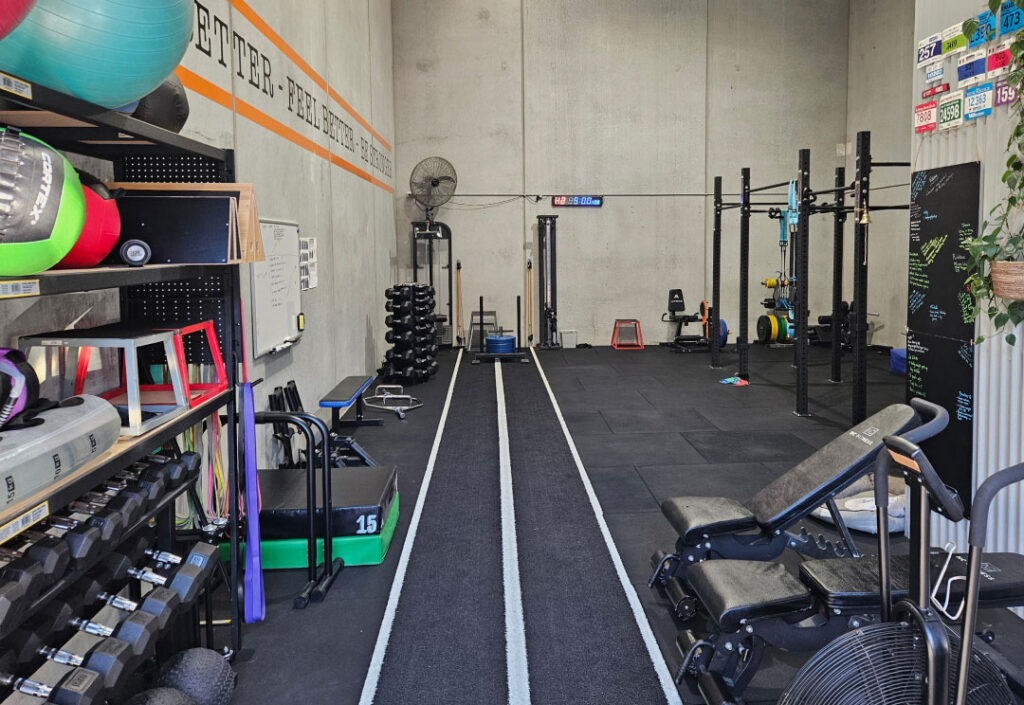
Ready to take the next step?
Book an assessment with Adapt Sports Physiotherapy to better understand your symptoms and develop a plan suited to your goals.
Frequently Asked Questions
Do I need to be an athlete to see a physiotherapist at Adapt?
No. Physiotherapy at Adapt covers everyday pain, injury and movement problems, not only sport-related presentations. Sports physiotherapy is available separately for training- and sport-specific goals.
Do I need a referral to book?
You don’t need a referral to see a physiotherapist directly. A referral may still be relevant for a specific funding pathway, such as a GP Management Plan — speak to your GP if you’re unsure which applies to you.
What can physiotherapy help with?
Physiotherapy can help with a wide range of pain, injury and movement problems, including recovery after surgery, ongoing or recurring pain, and general mobility concerns. What’s appropriate for you depends on your specific presentation, which is assessed at your first appointment.
What happens at my first appointment?
Your first appointment includes a thorough assessment of your symptoms, history and goals, followed by a discussion of what’s likely driving your presentation and what a plan going forward could look like. Comfortable clothing you can move in is helpful.
Clinically reviewed by Ryan Harris on 18/08/2026